
Get crypto POS 2026 right
Before configuring your hardware or writing integration code, you need to map out the operational and technical constraints. A crypto POS system is not just a payment terminal; it is a bridge between volatile digital assets and your stable business ledger. Skipping the prerequisites leads to failed transactions, tax complications, and security vulnerabilities.
Define your asset scope
Decide which currencies your POS will accept. Most modern systems support Bitcoin and Ethereum, but stablecoins like USDC or USDT are often preferred by merchants to avoid price volatility. If you accept multiple coins, your POS must handle separate wallet addresses and transaction confirmations for each. This decision impacts your software stack and your accounting workflow.
Audit your hardware and network
Your existing POS hardware must be compatible with the new payment gateway. Check if your terminal supports NFC for wallet-to-phone taps or if you need to add QR code scanners. Network stability is equally critical; crypto transactions require a constant connection to the blockchain network. A dropped connection during a payment confirmation can leave funds in limbo. Ensure your location has redundant internet access if possible.
Verify regulatory compliance
Crypto payments trigger specific reporting requirements. In many jurisdictions, accepting digital assets is treated as a property transaction, not currency. You need to know how to report these sales for tax purposes. Consult a local accountant to understand the record-keeping requirements for each transaction type. Some regions require specific licenses to operate as a money transmitter. Failing to comply can result in heavy fines.
Select a settlement method
Determine how you will handle the funds after a sale. You can hold the crypto in a corporate wallet, but this exposes you to market risk and security threats. Most merchants prefer instant fiat conversion, where the POS gateway automatically swaps the crypto for your local currency and deposits it into your bank account. This method eliminates volatility risk but may incur higher transaction fees. Compare the fee structures of different gateways to find the best balance for your margins.
Integrate crypto into your point of sale
Setting up a crypto POS system requires connecting your existing hardware to a payment gateway that handles both the digital asset and the fiat settlement. The process involves selecting the right wallet infrastructure, configuring your hardware, and testing the transaction flow to ensure funds reach your bank account without delay.
Start by selecting a crypto payment processor that supports your target assets. The most critical feature for 2026 is instant fiat conversion. This ensures that when a customer pays in Bitcoin or a stablecoin, you receive USD in your bank account immediately, shielding your business from market volatility. Compare providers based on transaction fees, supported coins, and settlement speed.
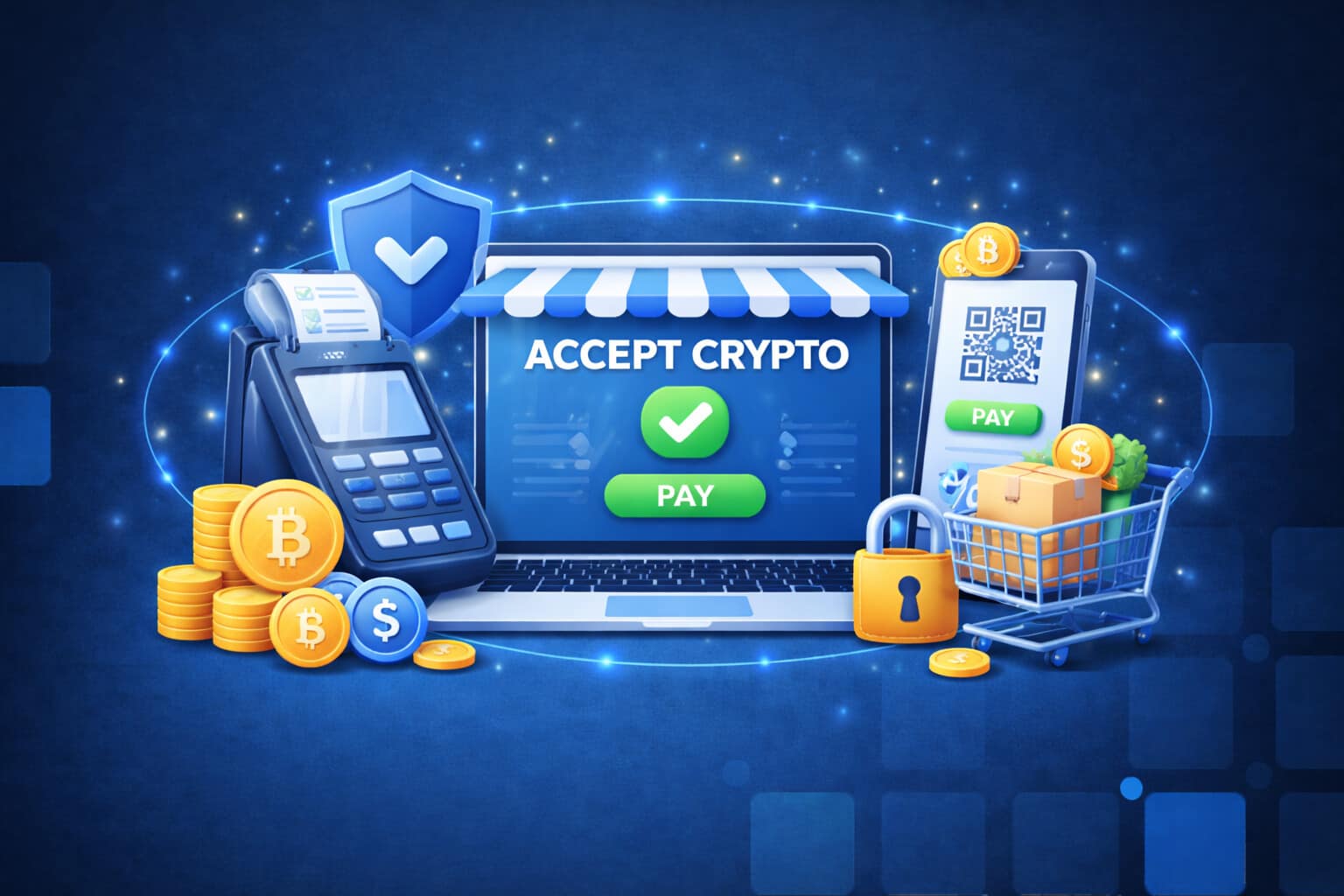
Your gateway will provide a dedicated merchant wallet. This is not a personal investment wallet; it is a transactional tool. Ensure you have access to the private keys or API credentials required to link this wallet to your POS software. For high-volume stores, consider a multi-signature wallet setup to add an extra layer of security against unauthorized transfers.
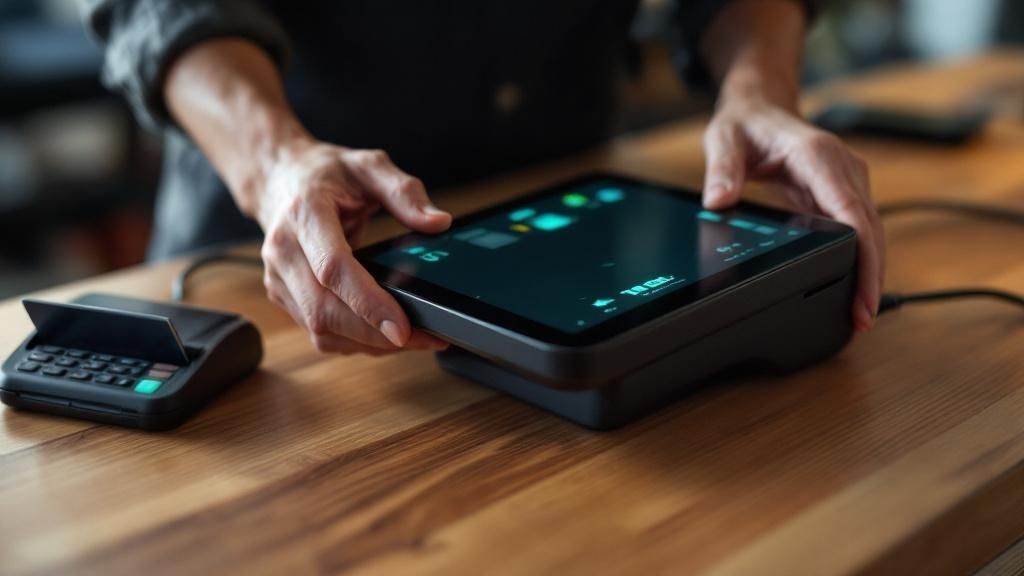
Integrate the gateway API with your existing POS terminal. If you are using a standalone tablet or kiosk, install the merchant app provided by your gateway. Ensure your receipt printer is configured to print QR codes or payment links. Test the connection between your POS interface and the payment provider to confirm that sales data syncs correctly.
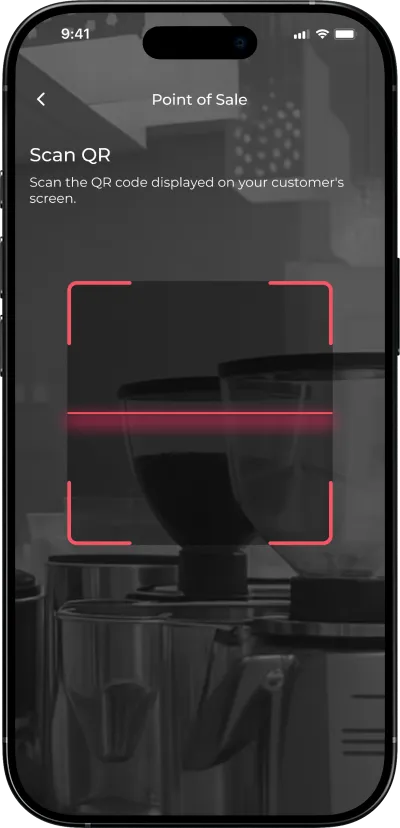
Before going live, perform a full test transaction. Have a staff member scan a QR code using a test wallet and confirm the payment. Verify that the POS registers the sale and that the funds appear in your merchant dashboard. Check that the receipt prints correctly and that the order status updates in your inventory system.
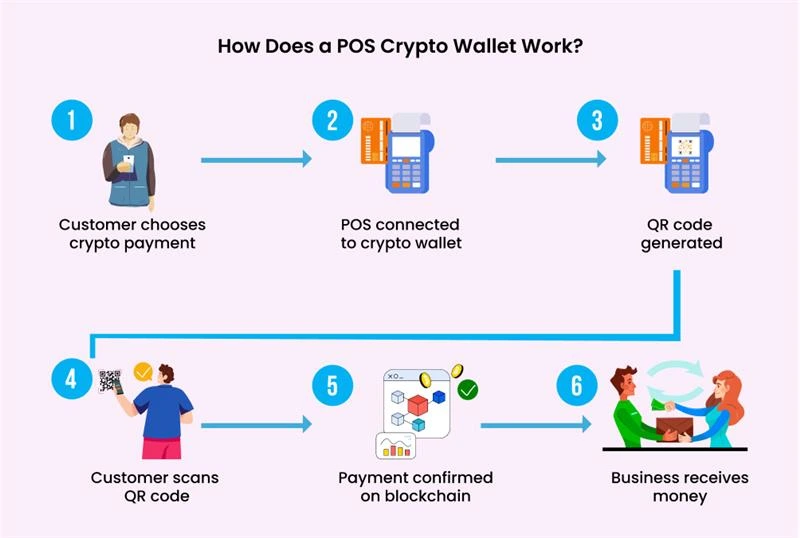
Your team needs to understand the basics of crypto payments to assist customers. Train them on how to initiate a payment, how to handle failed transactions, and how to explain the benefits to hesitant buyers. Emphasize that once a transaction is confirmed on the blockchain, it is irreversible, so double-checking amounts is essential.
Fixing common mistakes in crypto POS integration
Most merchants treat crypto POS integration like a standard credit card setup. This assumption leads to failed transactions, lost revenue, and customer frustration. The difference lies in the immutable nature of blockchain and the volatility of digital assets. Avoid these three common pitfalls to ensure your integration actually boosts sales.
Skipping instant fiat conversion
The biggest mistake is holding crypto on the merchant wallet. If you accept Bitcoin but don’t convert it to fiat immediately, you take on exchange rate risk. A 5% drop in BTC value during a single transaction window can erase your profit margin.
Use a payment processor that offers automatic settlement. These services convert the crypto to USD, EUR, or your local currency the moment the payment is confirmed. This removes volatility from your balance sheet. You get the security of blockchain without the headache of tracking market prices. Without this feature, you are essentially speculating on crypto while running a retail business.
Ignoring gas fees and network congestion
Merchants often forget that blockchain networks charge fees. If your POS system doesn’t handle these fees correctly, customers may see confusing error messages or double charges. Some systems require the customer to pay a high "gas fee" to speed up the transaction, which leads to cart abandonment.
Choose a provider that abstracts these costs. The best systems bundle the fee into the total price or use layer-2 solutions that make transactions nearly free. Always test your integration during peak network hours. If the transaction takes more than two minutes to confirm, you will lose customers who expect instant checkout. Speed is more important than the specific coin used.
Failing to verify transaction confirmations
Not all blockchains require the same number of confirmations. Bitcoin needs six blocks for full security, while Litecoin needs six, and Solana needs just one. Treating all transactions as "instant" is risky. Accepting a payment before it is sufficiently confirmed can lead to "double-spend" attacks, where a malicious actor reverses the transaction.
Configure your POS to wait for the correct number of confirmations for each specific asset. Do not release digital goods or start services until the network confirms the block. This small delay protects your business from fraud. It is better to wait thirty seconds than to lose inventory to a reversed transaction.
Crypto pos 2026: what to check next
Before committing to a new payment stack, address the practical hurdles of crypto integration. This section covers the most common objections merchants raise when evaluating Bitcoin and stablecoin POS systems for 2026.
These answers highlight that the 2026 landscape favors utility and stability. By choosing a provider that handles conversion and settlement, you remove the complexity of holding crypto assets while still benefiting from the lower transaction costs and global reach that digital payments offer.
No comments yet. Be the first to share your thoughts!