

Evaluating 2026 Crypto Payment Gateways
Selecting a crypto payment gateway in 2026 requires prioritizing regulatory compliance alongside transaction efficiency. The introduction of the IRS Form 1099-DA fundamentally alters the risk profile for small businesses by mandating full basis reporting for covered digital assets. Under these rules, the IRS receives a copy of every form issued, enabling direct matching of reported crypto proceeds against taxpayer returns. This shift transforms crypto processing from a technical integration into a critical compliance function.
Our evaluation criteria focus on three concrete pillars: licensing, fee structure, and settlement speed. We prioritize gateways holding valid money transmitter licenses or equivalent financial services authorizations in their operating jurisdictions. This ensures funds are handled by entities subject to regulatory oversight, rather than opaque offshore operators. Fee structures are analyzed for transparency, specifically looking for clear breakdowns of transaction fees, currency conversion spreads, and settlement costs. Hidden fees often arise from volatile exchange rates applied during crypto-to-fiat conversion. Settlement speed is equally critical; businesses require predictable cash flow, avoiding delays caused by blockchain congestion or manual reviews. All metrics were verified against official provider documentation and primary financial reviews.
1. Coinbase Commerce
Coinbase Commerce remains a primary choice for small businesses on Shopify or similar no-code platforms. Its integration allows merchants to accept Bitcoin, Ethereum, and major stablecoins without managing private keys or complex API configurations. The platform handles custody, reducing the technical barrier for non-technical operators.
The fee structure is transparent, charging a flat 1% transaction fee on all payments. This simplicity aids financial forecasting for small enterprises. However, reliance on a centralized custodian means funds are subject to the platform's operational security and potential service interruptions. Merchants must weigh this convenience against the lack of direct asset control.
The checkout experience is optimized for conversion, with automatic fiat conversion options available for merchants wishing to avoid crypto volatility. This feature hedges against market fluctuations, allowing businesses to receive stable revenue in their local currency. For small businesses prioritizing ease of use over self-custody, Coinbase Commerce offers a robust, albeit centralized, solution.
2. BitPay
BitPay is an established gateway often selected by high-volume US merchants due to its long-standing regulatory compliance and banking partnerships. It supports a wide array of cryptocurrencies, including Bitcoin, Litecoin, and several stablecoins. The platform provides detailed transaction reporting, critical for navigating the new 1099-DA reporting requirements introduced for 2026.
BitPay’s fee structure is competitive, typically ranging from 1% to 1.5% depending on the payment method and volume. The platform offers both fiat and crypto settlement options. Fiat settlement allows businesses to receive funds directly to bank accounts, mitigating the risk of holding digital assets. This feature is particularly valuable for merchants needing to cover payroll and operational expenses in traditional currency.
| Gateway | Fee | Settlement | Supported Coins |
|---|---|---|---|
| Coinbase Commerce | 1% | Crypto/Fiat | BTC, ETH, USDC, USDT, BCH, DAI |
| BitPay | 1-1.5% | Fiat/Crypto | BTC, ETH, USDC, USDT, LTC, XRP, DOGE |
| Stripe | 0.9% + $0.30 | Fiat | USDC, USDT, DAI, BUSD |
| CoinGate | 0.9% | Crypto/Fiat | 200+ coins |
The platform’s interface provides comprehensive analytics, enabling merchants to track sales trends and customer behavior. This data is essential for informed business decisions. While BitPay is often associated with larger enterprises, its tiered pricing and flexible settlement options make it accessible to small businesses with significant transaction volumes.
3. Stripe Stablecoin Payments
Stripe’s integration of stablecoin payments offers a seamless experience for SaaS and digital service providers. By allowing merchants to accept USDC, USDT, and other stablecoins directly through existing Stripe accounts, the platform eliminates the need for separate crypto-specific infrastructure. This integration is ideal for businesses already relying on Stripe for traditional payment processing.
The fee for stablecoin transactions is 0.9% plus $0.30 per transaction, comparable to traditional credit card fees but significantly lower than the volatility risk associated with non-stable cryptocurrencies. Stripe handles the conversion of stablecoins to fiat, ensuring businesses receive predictable revenue. This feature is particularly beneficial for small businesses wishing to avoid the complexities of crypto custody.
Stripe’s stablecoin payments are currently available only in select jurisdictions, including the US and EU. Verify your business location and regulatory status before integrating this option.
The platform’s robust compliance framework ensures all transactions adhere to anti-money laundering (AML) and counter-terrorism financing (CTF) regulations. This is crucial for small businesses needing to maintain a clean financial record. Stripe’s extensive documentation and developer support make it easy to integrate stablecoin payments into existing checkout flows.
4. CoinGate
CoinGate stands out for its extensive support of over 200 cryptocurrencies, making it an ideal choice for merchants offering maximum flexibility to customers. The platform provides a user-friendly interface and a range of tools, including a POS system, e-commerce plugins, and API integrations. This versatility allows small businesses to accept crypto payments across multiple channels.
CoinGate’s fee structure is straightforward, charging a flat 0.9% per transaction. The platform offers both crypto and fiat settlement options, allowing merchants to choose the method that best suits their financial strategy. CoinGate’s support for a wide variety of coins reduces the risk of lost sales due to customer preference for specific cryptocurrencies.
The platform also provides detailed reporting and analytics, helping merchants track crypto revenue and manage tax obligations. CoinGate’s compliance with global regulations ensures that businesses can operate with confidence. For small businesses prioritizing variety and ease of use, CoinGate is a strong contender.
5. BTCPay Server
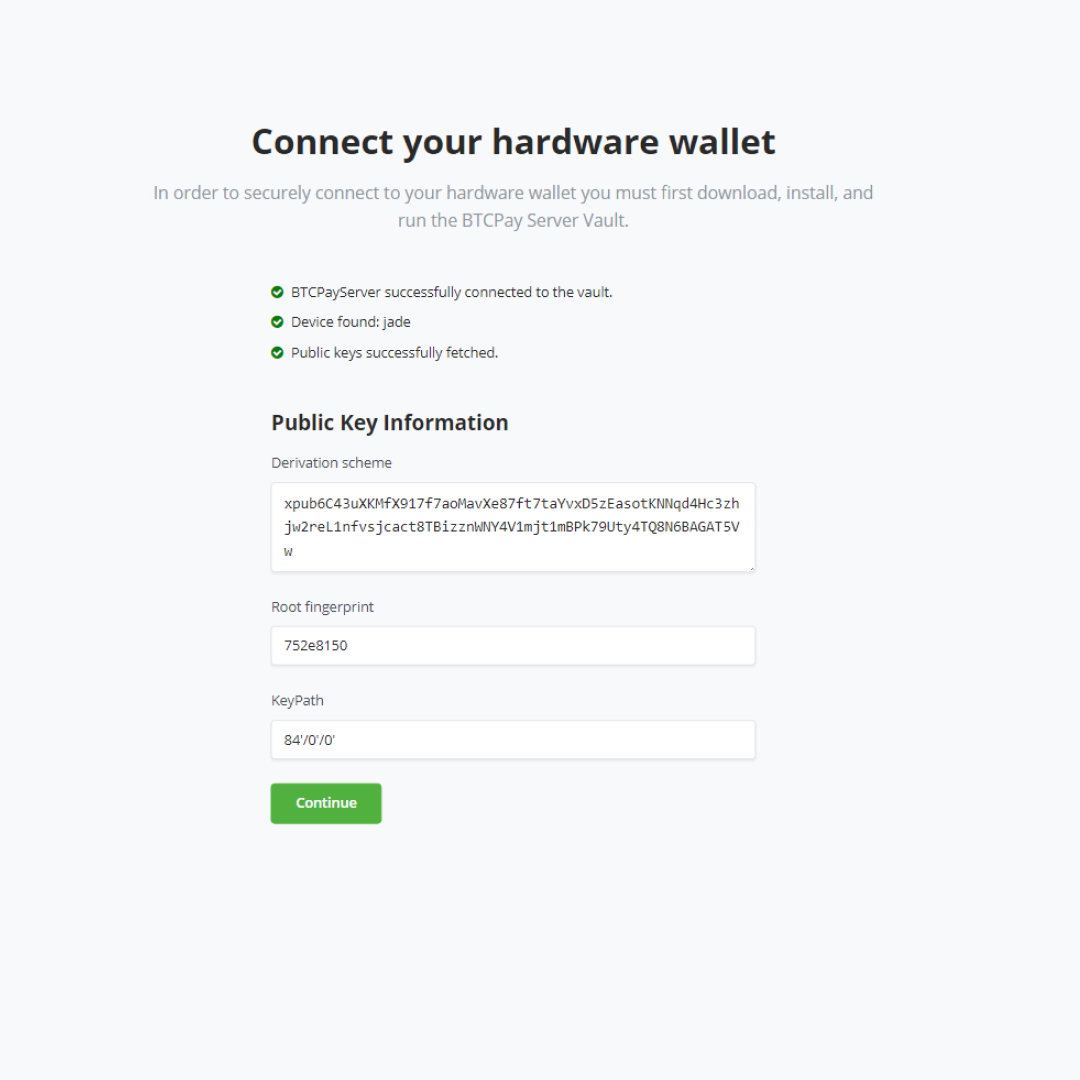
BTCPay Server is an open-source, self-hosted payment processor offering complete control over transactions and funds. It is ideal for technically proficient merchants prioritizing privacy and autonomy. Unlike centralized gateways, BTCPay Server does not charge transaction fees, allowing merchants to keep the full value of their sales.
The platform supports a wide range of cryptocurrencies and provides advanced features such as multi-signature wallets and lightning network integration. This makes it suitable for businesses handling high volumes of transactions or requiring enhanced security measures. However, self-hosting BTCPay Server requires significant technical expertise and ongoing maintenance.
Running BTCPay Server requires a dedicated server or VPS. Ensure you have the necessary infrastructure and technical skills to manage the platform securely.
The lack of third-party custody means merchants are solely responsible for the security of their funds. This requires strict adherence to best practices for key management and server security. While BTCPay Server offers unparalleled control and cost savings, it is not recommended for small businesses without dedicated technical resources.
6. Aurpay
Aurpay is an emerging player in the crypto payment gateway space, offering features designed for small businesses. The platform supports multiple cryptocurrencies and provides easy integration with popular e-commerce platforms. Aurpay’s fee structure is competitive, with rates starting at 1% per transaction.
The platform offers both crypto and fiat settlement options, allowing merchants to choose the method that best suits their needs. Aurpay’s user-friendly interface and comprehensive documentation make it easy for small businesses to get started. The platform also provides detailed reporting and analytics, helping merchants track crypto revenue and manage tax obligations.
While Aurpay is a relatively new entrant, its focus on small businesses and competitive pricing make it an attractive option. However, merchants should carefully evaluate the platform’s security measures and compliance standards before integrating it into their operations.
7. NOWPayments
NOWPayments is a non-custodial payment processor allowing merchants to accept over 100 cryptocurrencies. The platform does not hold funds, meaning transactions are sent directly to the merchant’s wallet. This feature provides merchants with full control over their assets and reduces the risk of third-party insolvency.
NOWPayments charges a flat 0.5% fee per transaction, one of the lowest rates in the industry. The platform offers a range of tools, including API integrations, e-commerce plugins, and a POS system. This versatility allows small businesses to accept crypto payments across multiple channels.
The platform’s non-custodial model requires merchants to manage their own wallets and security. This can be challenging for small businesses without technical expertise. However, for merchants prioritizing control and cost savings, NOWPayments is a strong option.
8. Eco
Eco is a global payment gateway supporting a wide range of cryptocurrencies and fiat currencies. The platform offers features including instant settlement, multi-currency support, and advanced security measures. Eco’s fee structure is competitive, with rates starting at 1% per transaction.
The platform’s global reach makes it ideal for small businesses operating internationally. Eco’s compliance with global regulations ensures merchants can operate with confidence. The platform also provides detailed reporting and analytics, helping merchants track crypto revenue and manage tax obligations.
While Eco offers a range of features, its complexity may be overwhelming for small businesses without dedicated technical resources. Merchants should carefully evaluate the platform’s usability and support before integrating it into their operations.
Key Takeaways
- Coinbase Commerce is best for Shopify users and those seeking a simple, centralized solution.
- BitPay is ideal for high-volume US merchants needing fiat settlement and compliance reporting.
- Stripe Stablecoin Payments offers seamless integration for existing Stripe users, focusing on stablecoins.
- CoinGate provides the widest coin support, catering to diverse customer preferences.
- BTCPay Server is for technically proficient merchants who want full control and no fees.
- Aurpay and NOWPayments offer competitive fees and flexibility, but require careful evaluation of security and support.
Low-fee crypto POS hardware options
Software gateways require physical terminals to process in-person transactions. Selecting the right hardware involves balancing cost, compliance capabilities, and network compatibility. Many small businesses opt for Lightning-ready card readers or dedicated POS terminals that integrate directly with gateway APIs. This section outlines specific hardware options available for purchase, focusing on devices that support low-fee crypto settlements.
The market for crypto POS hardware has matured, with several vendors offering compact, merchant-grade devices. These terminals typically support Bitcoin (BTC), Litecoin (LTC), and stablecoins like USDC. When choosing a device, merchants must verify that the hardware supports the specific cryptocurrencies accepted by their chosen payment gateway. Incompatibility can lead to failed transactions or manual reconciliation burdens.
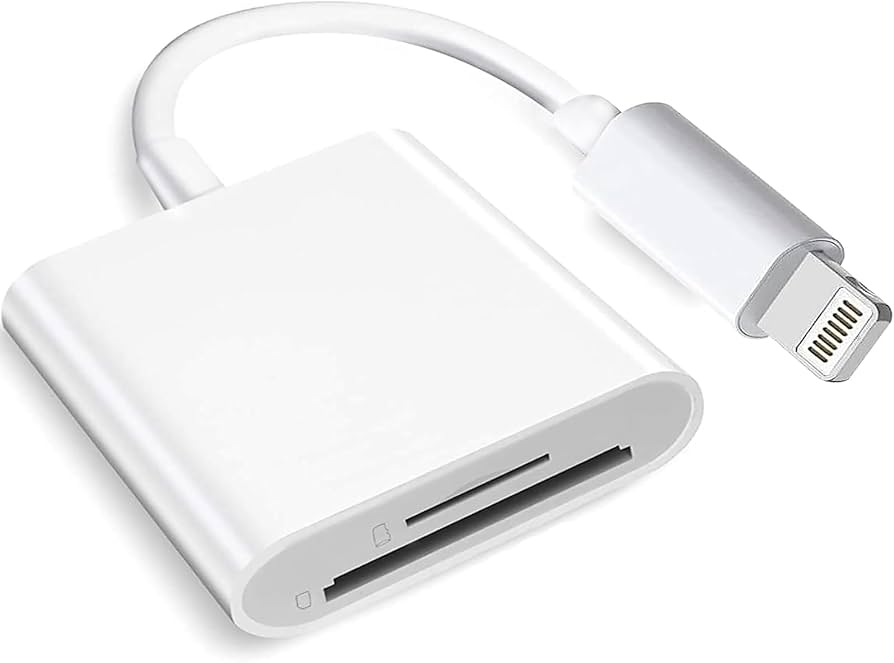
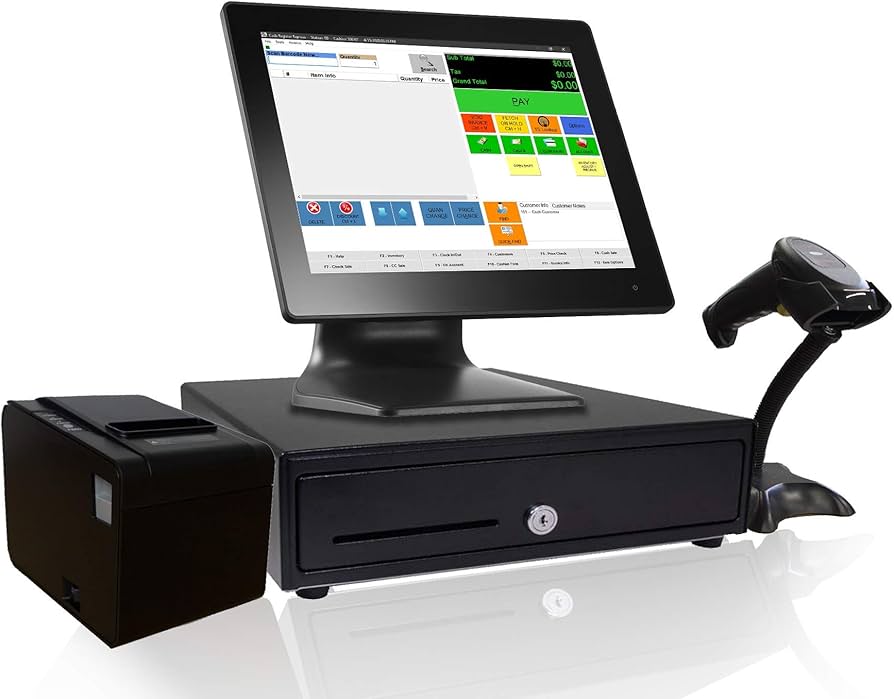
Below are specific hardware options commonly used in retail environments. These devices are available through major commerce platforms and are selected for their reliability and integration support.
As an Amazon Associate, we may earn from qualifying purchases.
Merchants should verify the current firmware and API compatibility of any hardware before purchase. Regulations regarding digital asset reporting, such as the IRS 1099-DA requirements for 2026 transactions, necessitate that hardware logs transaction data accurately for tax purposes. Choosing hardware that exports clean, auditable transaction records is essential for compliance.
Compliance and tax reporting in 2026
The regulatory landscape for cryptocurrency payments has shifted from advisory to mandatory. Starting with transactions processed in 2026, the IRS requires full basis reporting for covered digital assets. This means payment gateways must now provide detailed records of the original acquisition cost, not just the gross proceeds. For small business owners, this change eliminates the ability to ignore crypto transactions during tax season; every sale is now subject to scrutiny similar to traditional securities.
The introduction of Form 1099-DA places a heavy administrative burden on merchants. The IRS receives a copy of every form issued, allowing the agency to automatically match reported crypto proceeds against a taxpayer’s return. If a gateway fails to provide accurate, granular data, the merchant bears the legal risk of underreporting. Therefore, selecting a provider is no longer just about transaction speed or fees; it is a compliance decision.
Merchants must verify that their chosen gateway supports the new reporting standards. Look for providers that explicitly state 1099-DA compliance in their documentation. Without this support, you will need to manually reconstruct transaction histories from blockchain explorers, a process prone to error and audit flags.
Ensure your payment gateway explicitly supports 1099-DA reporting. The IRS now matches these forms against tax returns, making non-compliance a high-risk legal liability.
To manage the operational load of these new requirements, consider using tools that automate record-keeping. For example, reliable hardware wallets or dedicated accounting software can help maintain the detailed logs needed for accurate reporting.


As an Amazon Associate, we may earn from qualifying purchases.
No comments yet. Be the first to share your thoughts!