
How crypto POS 2026 systems work
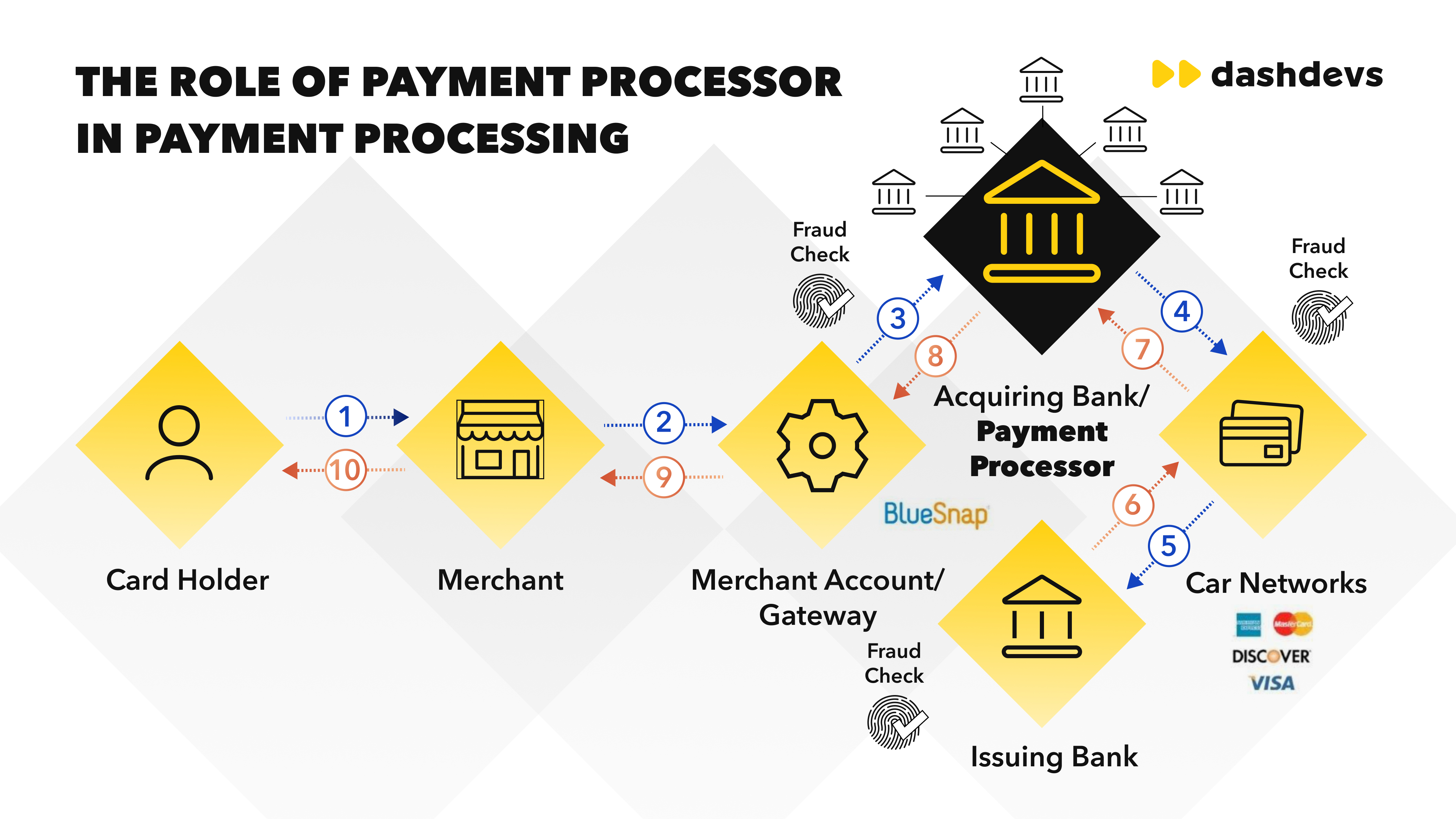
Modern crypto POS systems function as automated currency exchanges rather than simple digital wallets. When a customer scans a QR code to pay with Bitcoin, Ethereum, or a stablecoin, the terminal does not hold that asset. Instead, it instantly routes the transaction to a payment processor or gateway. Within seconds, the gateway converts the digital currency into the merchant’s local fiat currency and settles the funds into their bank account.
This instant fiat conversion is the primary mechanism for mitigating volatility risk. Without this step, a merchant accepting Bitcoin would be exposed to the asset's price swings between the moment of sale and the final settlement. By converting immediately, the business treats the digital asset like a standard credit card swipe, receiving the exact dollar amount of the sale regardless of market fluctuations. This allows retailers to accept crypto without needing a treasury strategy for digital assets.
The technical workflow relies on real-time price feeds and smart contract execution. The POS terminal queries a liquidity provider for the current exchange rate, locks in that rate for a short window (usually 15-30 seconds), and broadcasts the transaction to the blockchain. Once confirmed on-chain—which can take seconds on Layer 2 networks or minutes on Bitcoin—the gateway executes the fiat conversion. This process ensures that the merchant receives the full sale value, minus processing fees, while the customer pays in the digital currency of their choice.
Volatility and price stability
The volatility of major cryptocurrencies like Bitcoin remains a significant factor in the 2026 crypto POS landscape. While the instant conversion model protects merchants, the underlying asset value can swing dramatically. A
shows that Bitcoin can experience double-digit percentage moves in a single day. This volatility is why most modern POS systems prioritize stablecoins—digital tokens pegged to fiat currencies like the US Dollar—for everyday transactions.Stablecoins such as USDC or USDT offer the speed and security of blockchain technology without the price risk associated with Bitcoin or Ethereum. For merchants, this means the settlement value is predictable, and the conversion process is often faster and cheaper than traditional fiat rails. However, even with stablecoins, merchants must ensure their payment gateway supports the specific token network being used to avoid failed transactions or excessive gas fees.
The trend toward stablecoin adoption is accelerating as businesses seek to balance innovation with financial predictability. According to industry analysis, the growth of stablecoins is a key pillar of the 2026 crypto outlook, driven by their utility in cross-border payments and retail transactions. By integrating stablecoin support, POS systems allow merchants to tap into the growing crypto economy while maintaining the stability required for day-to-day operations.
Top crypto payment gateways compared
Choosing the right crypto payment gateway determines how quickly your business gets paid and how much you keep. The three dominant providers—BitPay, Coinbase Commerce, and Stripe Crypto—each handle the complex blockchain mechanics behind the scenes, allowing you to accept Bitcoin, Ethereum, and stablecoins without holding the assets yourself.
BitPay acts as a traditional merchant acquirer. It settles funds directly into your bank account in local currency, shielding your business from crypto volatility. Coinbase Commerce offers a more decentralized experience, giving you the choice to hold crypto or convert to fiat, while Stripe Crypto integrates seamlessly with existing Stripe merchant accounts, ideal for businesses already using their ecosystem.
The table below breaks down the critical differences in fees, supported networks, and settlement speed.
| Gateway | Merchant Fee | Supported Chains | Settlement |
|---|---|---|---|
| BitPay | 1% | BTC, ETH, USDT, USDC, DOGE | Instant fiat |
| Coinbase Commerce | 1% | BTC, ETH, LTC, USDC, DAI, XRP | 10 min (crypto) |
| Stripe Crypto | 1% + 1% conversion | BTC, ETH, USDC, DAI, USDT | Instant fiat |
For most retailers, the decision comes down to whether you want to minimize friction or maximize asset flexibility. BitPay is the standard for pure fiat settlement, removing the headache of crypto accounting. Coinbase Commerce is better for businesses that want to retain crypto exposure or use specific networks like Litecoin for lower fees. Stripe is the logical choice if you are already processing fiat payments through them, as it unifies your financial stack.
Hardware terminals vs software integrations
Choosing between a dedicated crypto POS terminal and a software integration depends on your existing infrastructure and staff workflow. The decision centers on where the payment processing happens: at the physical register or within your current software ecosystem.
Dedicated hardware terminals
A dedicated hardware terminal, such as the BitPay Retail Terminal, acts as a standalone point of sale for crypto transactions. It connects directly to your backend processor and often includes a built-in screen and printer for receipts. This setup is ideal for high-volume retail environments where speed and reliability are paramount. Staff do not need to toggle between apps or devices, reducing training time and minimizing errors during peak hours. The terminal handles the blockchain interaction in the background, settling fiat or stablecoins to your account while displaying the transaction status clearly to the customer.
Software integrations
Software integrations embed crypto payment capabilities directly into your existing point-of-sale system, such as Shopify, Square, or Lightspeed. This approach leverages the hardware and software you already own, avoiding the cost of additional terminals. When a customer scans a QR code, the transaction is recorded in your main POS ledger, keeping inventory and sales data synchronized. This method is particularly effective for businesses that already have a robust software stack and want to add crypto acceptance without disrupting their current operational flow. However, it requires stable internet connectivity and may introduce slight latency if the POS system is not optimized for real-time blockchain confirmations.
Choosing the right gateway for your business
Selecting a crypto payment gateway requires matching infrastructure to your specific operational reality. The decision hinges on three variables: transaction volume, customer base, and regulatory compliance. A gateway that works for a high-volume exchange may fail a small retailer, and vice versa.
Transaction volume and fees
High-volume merchants need gateways with tiered pricing or flat-rate structures that don’t penalize scale. Low-volume businesses often benefit from pay-per-transaction models to avoid monthly minimums. Compare the effective cost per transaction, including network fees and currency conversion spreads, before committing.
Customer base and supported assets
Your gateway must support the cryptocurrencies your customers actually use. If your audience prefers Bitcoin and Ethereum, a gateway limited to stablecoins will create friction. Conversely, merchants targeting privacy-conscious users may require support for assets like Monero or Zcash, though this introduces higher compliance scrutiny.
Regulatory compliance and jurisdiction
Compliance is non-negotiable. Ensure the gateway is licensed in your jurisdiction and supports KYC/AML requirements. Some gateways operate globally but restrict certain fiat pairs in specific countries. Verify that the provider can handle your local tax reporting obligations to avoid legal exposure.
Integration complexity
Technical integration varies widely. Some gateways offer simple plugins for major e-commerce platforms, while others require custom API development. Assess your team’s capacity. A complex integration might save money long-term but could delay launch by months.
Decision framework
Use this checklist to evaluate options:
-
Does the gateway support my primary sales volume?
-
Are the fees competitive for my average transaction size?
-
Does it support the cryptocurrencies my customers want to use?
-
Is it licensed in my country of operation?
-
Can my team integrate it within my timeline?
TechnicalChart symbol="BINANCE:BTCUSDT" chartStyle="candle" interval="1D" indicators='["volume"]'
Use the chart above to gauge current market volatility. High volatility may influence your decision to use a gateway that auto-converts crypto to fiat instantly, protecting your margins from rapid price swings.
Frequently Asked Questions About Crypto POS in 2026
Helpful gear
Use these product recommendations as a starting point, then choose the size, material, and price point that fit how you actually use the gear.



As an Amazon Associate, we may earn from qualifying purchases.
No comments yet. Be the first to share your thoughts!