
How crypto POS systems work in 2026
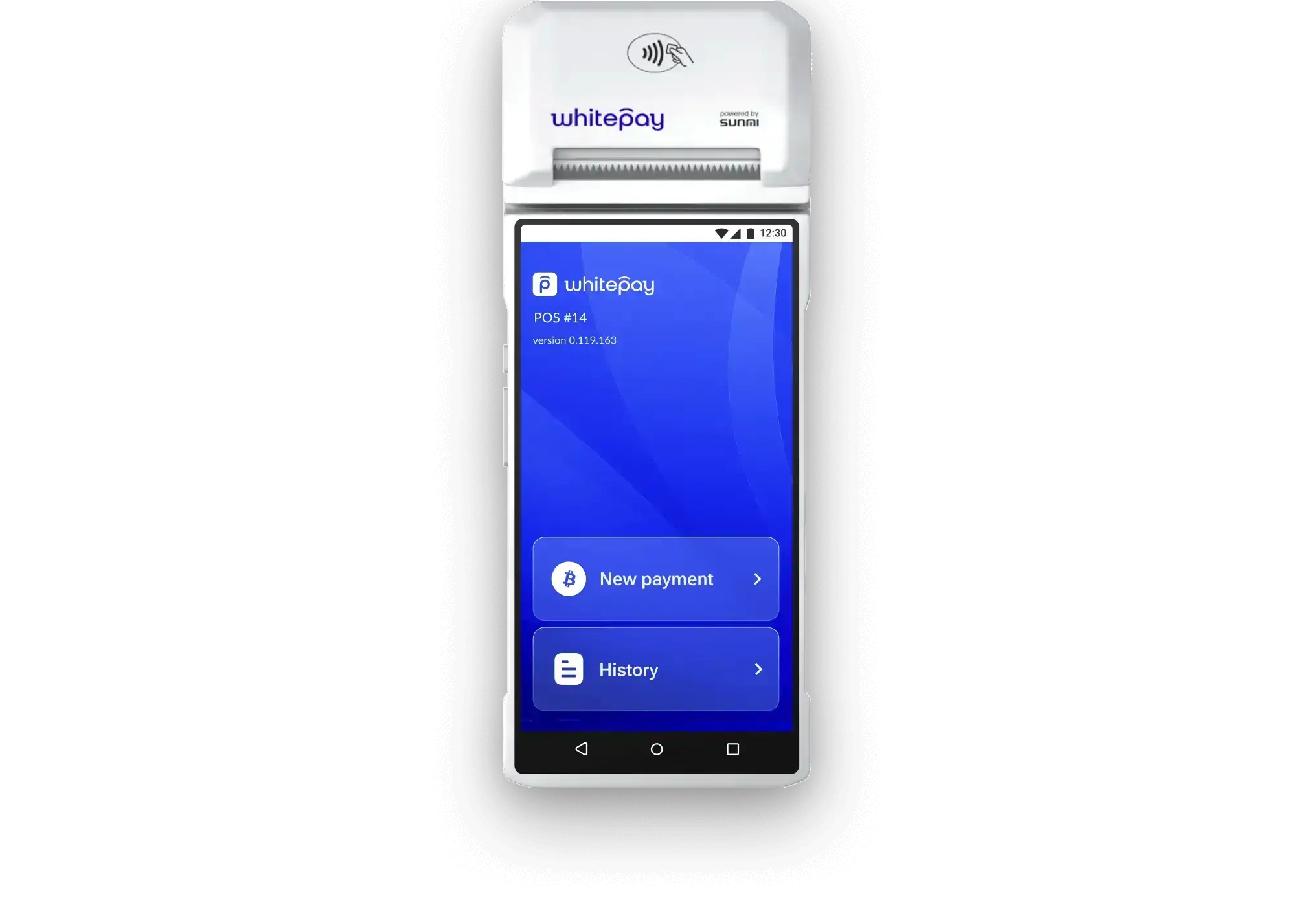
A modern crypto POS system is no longer just a digital wallet with a QR code. It is a hybrid infrastructure that bridges on-chain transactions with traditional fiat settlement. This architecture allows merchants to accept digital assets without holding the volatility risk that once made crypto payments impractical for day-to-day operations.
The process begins when a customer initiates a payment. The POS terminal generates a unique transaction request and locks the funds in a smart contract or escrow account. Instead of waiting for blockchain confirmations to settle directly into a merchant’s private key, the system instantly converts the crypto to a stablecoin or fiat currency. This conversion happens through liquidity providers or centralized exchanges, ensuring the merchant receives the exact dollar amount of the sale within seconds. The blockchain records the transaction, but the merchant’s bank account sees a standard deposit.
This shift from manual wallet management to automated compliance is driven by the need for regulatory safety. In 2026, crypto POS platforms integrate AI-driven compliance engines that monitor transactions in real-time. These systems flag suspicious activity, enforce KYC/AML checks, and generate audit trails that satisfy financial regulators. For merchants, this means accepting Bitcoin or Ethereum no longer requires a dedicated compliance team. The POS provider handles the regulatory heavy lifting, allowing the business to focus on the sale.
The volatility of the underlying asset remains a primary concern for any business considering this transition. While the POS mitigates the risk of holding the asset, the speed of market movements still requires robust infrastructure. Understanding the current market state helps contextualize why instant settlement is now the standard.
This infrastructure change has accelerated adoption. According to PayPal, nearly 40% of U.S. merchants already accept digital assets at checkout, a figure that continues to rise as POS solutions become more seamless. The technology has moved from a niche experiment to a standard payment option, bridging the gap between traditional commerce and the digital economy.
Comparing top crypto payment gateways
Choosing the right crypto payment gateway depends on your specific operational needs: how quickly you need funds, which assets you want to accept, and how much you are willing to pay in processing fees. The landscape includes legacy processors like BitPay and Stripe, as well as newer entrants offering stablecoin and Lightning Network support. This comparison focuses on the practical tradeoffs for merchants.
The following table breaks down the core differences between three major providers: BitPay, Stripe Crypto, and PayPal. BitPay is often preferred for its deep integration with major e-commerce platforms and its ability to convert crypto to fiat instantly. Stripe offers a more developer-friendly API and supports a wider range of assets, including USDC and Lightning Network transactions, though its availability varies by region. PayPal provides a familiar brand for consumers but has historically been more conservative in its asset support and settlement options.
| Provider | Fees | Supported Assets | Settlement |
|---|---|---|---|
| BitPay | 1% | BTC, ETH, Stablecoins | Instant Fiat |
| Stripe Crypto | 1% + Network | BTC, ETH, USDC, LTC | 1-2 Days |
| PayPal | 1.5-2.9% | BTC, ETH, LTC, BCH | Instant Fiat |
The choice often comes down to whether you prioritize speed of settlement or asset diversity. BitPay’s instant fiat conversion is ideal for merchants who want to avoid crypto volatility entirely. Stripe’s support for USDC and Lightning Network appeals to those looking to reduce transaction costs and accept smaller payments efficiently. PayPal’s broader consumer recognition can drive trust, but its higher fees and limited asset range may not suit all business models.
AI-driven settlement and compliance risks
As crypto adoption accelerates, the speed of blockchain transactions clashes with the slower, meticulous nature of regulatory compliance. AI tools are now the bridge between these two worlds, automating the detection of fraud and ensuring adherence to Know Your Customer (KYC) and Anti-Money Laundering (AML) standards in real time. Without this automation, the volume of transactions would overwhelm manual review processes, creating bottlenecks that could stall settlement and expose merchants to severe regulatory penalties.
The core challenge lies in the pseudonymous nature of crypto. AI models analyze transaction patterns, wallet histories, and behavioral data to flag suspicious activity before funds are settled. This is not just about catching obvious fraud; it is about identifying subtle money laundering techniques like layering or structuring. Silicon Valley Bank notes that AI’s impact on fintech is becoming a defining feature of the 2026 crypto outlook, shifting compliance from a reactive checkbox to a proactive, continuous monitoring system.
For merchants, this means the risk profile of accepting crypto is changing. While AI reduces the likelihood of human error, it introduces new dependencies on the accuracy of the underlying models. A false positive can freeze legitimate funds, while a false negative can lead to regulatory fines. Therefore, choosing a provider with built-in, sophisticated AML screening is critical. It is not merely a technical feature but a legal safeguard that protects the business from the high-stakes consequences of non-compliance.
The integration of these tools requires a shift in mindset. Compliance is no longer a post-transaction audit but an integral part of the settlement flow. Merchants must ensure their POS systems can communicate with AI-driven risk engines instantly, allowing for real-time decision-making. This level of integration ensures that every transaction is vetted against current regulatory standards, reducing the liability associated with crypto payments.
Choosing the right system for your business
Selecting a crypto POS system is less about finding the "best" platform and more about matching infrastructure to your operational reality. A high-volume retailer with complex inventory needs different tools than a small service provider processing occasional Bitcoin payments. The decision hinges on three variables: transaction volume, technical capacity, and risk tolerance.
Assess transaction volume and settlement speed
Your processing volume dictates whether you need enterprise-grade infrastructure or a lightweight gateway. High-volume merchants often require direct blockchain settlement or instant fiat off-ramping to manage cash flow, while lower-volume businesses may prioritize ease of integration over speed. If you process hundreds of transactions daily, the latency of blockchain confirmations becomes a bottleneck; you need a system that handles micro-settlements efficiently.
Consider the volatility risk inherent in your volume. If you hold crypto inventory, your exposure to price swings correlates directly with how long funds sit in your wallet. Systems that offer immediate auto-conversion to fiat or stablecoins mitigate this risk but may introduce higher fees. Evaluate whether your margin structure can absorb conversion costs or if you require a non-custodial solution that keeps you in control of the keys.
Evaluate technical expertise and integration depth
Not every merchant has an engineering team to maintain custom APIs. If your current POS system (like Shopify, Square, or a custom ERP) doesn't natively support crypto, you must weigh the cost of middleware against the value of native integration. Simple plugins work for basic checkout flows, but complex businesses need APIs that sync inventory, loyalty points, and accounting data in real time.
For technical teams, open-source or API-first solutions offer flexibility to build custom compliance checks and user experiences. For non-technical operators, all-in-one platforms with drag-and-drop integration are safer, reducing the risk of configuration errors that could lead to lost transactions or compliance gaps. Check the documentation quality and support response times before committing.
Verify compliance and risk management features
Crypto payments introduce unique regulatory hurdles, including AML (Anti-Money Laundering) and KYC (Know Your Customer) requirements. Your POS provider should handle the heavy lifting of transaction monitoring and reporting. Look for systems that integrate with reputable compliance engines to screen addresses against sanctions lists automatically.
| Feature | Low Volume | High Volume |
|---|---|---|
| Settlement | Delayed/Batch | Instant/Auto-convert |
| Compliance | Basic Screening | Advanced AML/KYC |
| Integration | Plugin/No-Code | API/Custom ERP |
Risk tolerance also extends to chargeback and fraud protection. While blockchain transactions are irreversible, reducing traditional chargeback fraud, they expose you to other risks like sending funds to the wrong address or interacting with malicious smart contracts. A robust POS system includes address validation and error-prevention mechanisms to protect your revenue.
Match the solution to your growth stage
Start with a solution that scales. A system that works for 10 transactions a day might fail under 1,000. Ensure the provider has clear tiered pricing and performance guarantees. As your business grows, you may need to migrate data, which can be disruptive if the new system isn't compatible.
Prioritize providers with transparent fee structures and clear SLAs (Service Level Agreements). The crypto payment landscape is evolving rapidly, so choose a partner that invests in R&D and stays ahead of regulatory changes. Your POS isn't just a checkout tool; it's a critical piece of your financial infrastructure.
Frequently asked questions about crypto POS
What is the current trend in the crypto market for 2026?
The cryptocurrency market is expanding rapidly, with the total market size projected to grow from $2.86 billion in 2025 to $3.35 billion in 2026, representing a compound annual growth rate (CAGR) of 17% [1]. This growth is driven by increased institutional adoption and the integration of digital assets into mainstream financial services. For merchants, this volatility requires robust settlement mechanisms to protect margins.
Will crypto POS systems become standard for merchants?
Adoption is accelerating quickly. Recent data indicates that nearly 4 in 10 U.S. merchants already accept cryptocurrency at checkout, signaling a shift from experimental pilots to standard operational practice [2]. As regulatory clarity improves, crypto POS solutions are becoming as essential as traditional card terminals for businesses aiming to capture a broader customer base.
Which cryptocurrencies are best for POS transactions in 2026?
While Bitcoin remains the most recognized asset, stablecoins and high-efficiency networks like Ripple (XRP) are gaining traction for their speed and lower transaction costs. XRP, in particular, is seeing increased adoption among financial institutions for cross-border settlements. Merchants should prioritize assets with high liquidity and low volatility to minimize reconciliation complexity.
How do crypto POS systems handle compliance and taxes?
Modern crypto POS providers typically integrate with tax software to automatically calculate liabilities based on the transaction’s fair market value at the time of sale. This automation simplifies the complex reporting requirements for both federal and state authorities. Merchants should verify that their provider offers real-time compliance updates to stay aligned with evolving regulations.
No comments yet. Be the first to share your thoughts!