
The shift to instant crypto settlement
The architecture of modern crypto POS 2026 systems has moved beyond manual wallet integration to prioritize instant fiat-equivalent settlement. This shift fundamentally changes the merchant experience by removing the volatility risk that once made cryptocurrency payments a liability rather than an asset.
In previous iterations, accepting digital assets meant holding volatile tokens until manual conversion. Today, the standard workflow involves immediate conversion at the point of sale. When a customer pays in Bitcoin or Ethereum, the system instantly settles the equivalent value in USD, EUR, or GBP into the merchant’s bank account. This process effectively neutralizes market fluctuations, allowing businesses to operate with the same financial predictability as traditional card processing.
This evolution is driven by the need for operational stability. By leveraging stablecoin infrastructure and automated settlement layers, merchants no longer need to manage private keys or hedge against price swings. The technology abstracts the complexity of blockchain transactions, presenting a familiar, low-friction checkout experience while retaining the underlying benefits of decentralized ledger technology.
The result is a hybrid payment environment where crypto acts as a seamless funding source rather than a speculative holding. For merchants, this means lower operational overhead and faster cash flow, aligning digital asset acceptance with the immediate liquidity requirements of physical retail and service industries.
How AI merchant settlement works
The core innovation of a crypto POS 2026 system is the removal of price risk from the merchant. Unlike traditional gateways that simply route transactions, AI-driven settlement layers actively manage the volatility of digital assets in real-time. When a customer pays in Bitcoin or Ethereum, the system does not wait for the blockchain to confirm the final balance before crediting the merchant. Instead, it executes an instantaneous swap to a stablecoin like USDC or directly to fiat currency.
This process relies on predictive algorithms that monitor market liquidity and volatility spikes. The AI acts as a high-frequency trading agent, scanning decentralized exchanges and liquidity pools to find the most efficient path for conversion. It calculates the optimal moment to execute the trade, ensuring the merchant receives the exact expected amount minus a small processing fee. This "instant settlement" model means the merchant never holds the volatile asset, effectively neutralizing the risk of a 10% price drop occurring during the transaction window.
The technical infrastructure supports this speed through pre-funded liquidity pools. When a sale occurs, the AI draws from these pools to pay the merchant immediately, while simultaneously settling the original crypto payment in the background. This decoupling of the customer experience from the backend settlement process is what allows for the "instant" feel. The merchant sees a confirmed sale in their dashboard, while the AI manages the complex arbitrage and hedging operations that make it possible.
This approach transforms cryptocurrency from a speculative asset into a viable payment rail. By leveraging AI to predict volatility and execute swaps, businesses can accept digital assets with the same confidence as they accept credit cards. The result is a crypto POS 2026 ecosystem where speed, security, and financial stability are guaranteed by code, not by market conditions.
Top crypto POS 2026 systems compared
Selecting the right crypto POS 2026 solution requires balancing transaction fees, supported assets, and settlement speed. The market has shifted from simple Bitcoin acceptance to multi-chain ecosystems that include Lightning Network and stablecoins like USDC. Below is a direct comparison of leading providers to help you choose the right infrastructure for your business.
| Provider | Fees | Settlement | Supported Chains |
|---|---|---|---|
| BitPay | ~1.5% | USD/EUR fiat | BTC, ETH, LTC, USDT, USDC |
| NOWPayments | 0.5% - 1% | Crypto or fiat | 150+ coins, Lightning, USDC |
| Coinbase Commerce | 1% | USD/EUR/GBP | BTC, ETH, LTC, DOGE, USDC |
| CoinGate | 1% | Crypto or fiat | 100+ coins, Lightning, USDC |
BitPay remains the standard for merchants who want to avoid crypto volatility entirely. By settling directly in fiat currency, it functions like a traditional payment gateway but with lower fees than many credit card processors. It supports major assets including Bitcoin and USDC, making it a safe choice for established retailers [src-serp-4].
NOWPayments offers a more flexible approach for businesses comfortable holding digital assets. With fees as low as 0.5% and support for over 150 cryptocurrencies, it is ideal for crypto-native businesses. It also supports Lightning Network transactions, enabling instant, near-zero fee settlements [src-serp-6].
Coinbase Commerce provides a user-friendly interface for merchants already using the Coinbase ecosystem. While its fee structure is slightly higher than some competitors, it offers robust support for major assets and stablecoins. This makes it a strong option for businesses prioritizing ease of integration and compliance [src-serp-5].
CoinGate serves as a middle ground, offering support for a wide range of assets including Lightning Network. Its 1% fee is competitive, and it allows settlements in both crypto and fiat, providing flexibility for growing businesses [src-serp-6].
Stablecoins and Lightning: The 2026 Crypto POS Standard
By 2026, the friction of traditional crypto payments has largely vanished, replaced by a two-part infrastructure: stablecoins for value stability and the Lightning Network for speed. This combination has become the default for modern crypto POS systems, solving the two historical pain points of volatility and slow settlement times.
USDC: Eliminating Volatility Risk
Merchants and consumers alike prefer USDC (USD Coin) over volatile assets like Bitcoin for everyday point-of-sale transactions. As a regulated, fiat-backed stablecoin, USDC maintains a predictable $1.00 peg, removing the risk of price swings between the moment a customer taps their phone and the moment the merchant receives the funds. This stability allows businesses to price goods in real terms without hedging against crypto market fluctuations.
The liquidity of USDC is also deeper and more accessible for small merchants than many altcoins. It integrates seamlessly with existing accounting software and fiat on-ramps, making the transition from crypto to bank deposits nearly invisible. For a crypto POS 2026 terminal, supporting USDC is no longer a niche feature but a baseline requirement for mainstream adoption.
Lightning Network: Instant and Near-Zero Fees
While USDC solves the value problem, the Lightning Network solves the speed and cost problems. Built on top of Bitcoin, Lightning enables near-instantaneous transactions with fees that are fractions of a cent. This is critical for low-margin retail environments where traditional credit card processing fees (2-3%) or even on-chain Bitcoin transaction fees can erode profit.
In a high-volume retail setting, Lightning’s throughput capabilities mean that a busy coffee shop or grocery store can process hundreds of transactions per second without network congestion. The settlement is final and immediate, unlike traditional bank transfers which may take days. This efficiency makes Lightning the technical backbone for scalable crypto POS solutions.
The Combined Advantage
When USDC and Lightning are combined, they offer a payment experience that rivals or exceeds traditional card networks in both speed and cost. The merchant receives stable value instantly, and the customer pays minimal fees. This synergy is why major payment processors and POS hardware manufacturers are prioritizing this stack for their 2026 releases.
Choosing the right crypto POS terminal
Selecting a crypto POS 2026 solution requires balancing speed, cost, and compatibility. Before committing to a provider, evaluate how the system handles settlement and whether it integrates with your existing hardware. The goal is to minimize friction for both you and your customers.
Traditional gateways often hold funds for days. Modern crypto POS systems should offer instant fiat conversion or immediate stablecoin settlement. This eliminates chargeback risk and improves cash flow. Check if the provider supports automated conversion to your local currency upon transaction completion.
Look beyond the headline percentage. Some providers charge per-transaction fees, while others use monthly subscriptions or volume-based tiers. Calculate the total cost based on your average transaction size. A lower percentage might come with higher fixed fees, which hurts small-ticket sales.
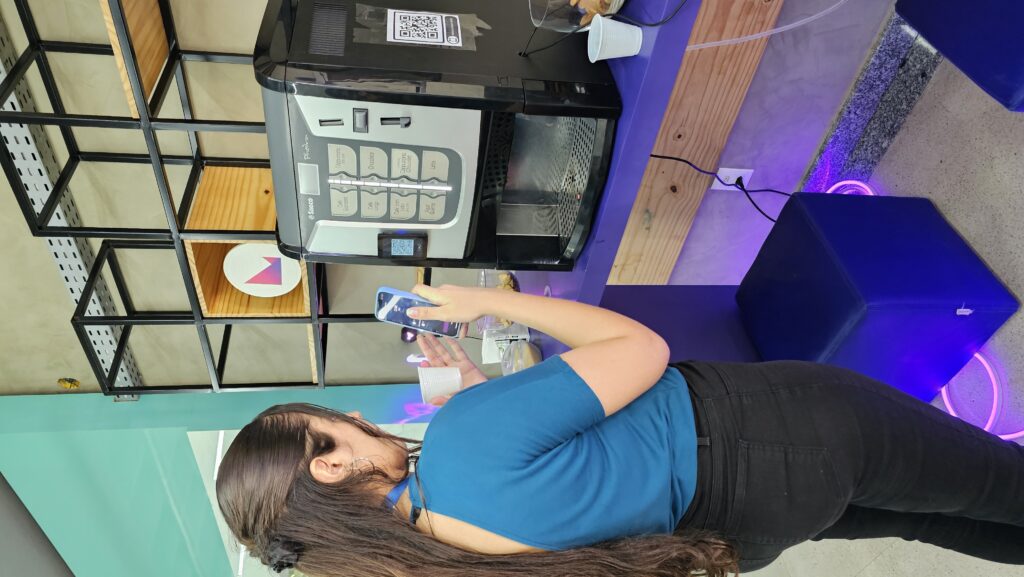
Ensure the software runs on your current terminals or smartphones. Many modern crypto POS 2026 solutions are software-based, allowing you to use existing iPads or Android devices. If you need dedicated hardware, verify that the provider supports NFC or QR code scanning on your specific model.
| Feature | Traditional Gateway | Crypto POS 2026 |
|---|---|---|
| Settlement Time | 1-3 business days | Instant or minutes |
| Chargeback Risk | High | None (irreversible) |
| Hardware Needs | Certified terminal | Smartphone or standard terminal |
Use this checklist to finalize your decision. Does the provider offer instant fiat conversion? Are the fees lower than your current Stripe or Square rates? Is the hardware compatible with your existing setup? Answering these three questions will guide you to the right crypto POS 2026 partner.
No comments yet. Be the first to share your thoughts!