
What the 2026 crypto POS landscape actually looks like
The 2026 crypto POS revolution is less about speculative hype and more about infrastructure maturity. Retailers are no longer asking if they should accept digital assets, but how to do it without exposing themselves to tax complexity or settlement risk. The shift is driven by AI-driven settlement layers that convert crypto to fiat instantly, removing the volatility fear that stalled adoption in previous cycles.
The current market trend is neutral to cautiously optimistic, with institutional investment providing a floor of stability. However, the regulatory environment has tightened. In major markets like India, authorities now cross-check filings against exchange data, requiring merchants to report each crypto transaction individually under new Schedule VDA rules. This scrutiny makes AI-driven compliance tools not just a convenience, but a legal necessity.
For retailers, the choice is now between legacy payment gateways that treat crypto as an afterthought and native POS integrations designed for Web3. The latter offers lower fees, faster settlement, and direct customer data ownership. The decision hinges on your volume: high-volume merchants need the robustness of AI-driven settlement, while small businesses may still find hybrid models sufficient.
Crypto pos 2026 choices that change the plan
Choosing a crypto payment processor in 2026 requires balancing speed, cost, and regulatory compliance. The market has shifted from experimental adoption to practical utility, with providers like BitPay and integrated wallet solutions leading the charge. Your decision should depend on whether you prioritize instant fiat settlement or want to hold digital assets for potential appreciation.
Comparison of Major Options
The table below outlines the primary tradeoffs between holding crypto directly, using an AI-driven gateway, and traditional fiat processing.
| Feature | Hold Crypto | Instant Fiat | Traditional Fiat |
|---|---|---|---|
| Volatility Risk | High | None | None |
| Settlement Speed | Slow (Blockchain) | Instant | 1-3 Days |
| Transaction Fees | Network Gas Fees | 1-2% | 2.9% + $0.30 |
| Regulatory Scrutiny | High (VDA Reporting) | Medium | Low |
| AI Integration | Basic | Advanced | Limited |
When to Hold Crypto
Holding cryptocurrency directly appeals to merchants who view digital assets as a treasury reserve. In 2026, this strategy is viable only if you can absorb significant price swings and manage the complex tax reporting obligations, such as India’s new Schedule VDA requirements. This approach is best for tech-forward businesses with low transaction volumes but high average order values.
When to Use Instant Settlement
AI-driven settlement gateways offer the most balanced tradeoff for most retailers. By converting crypto to fiat instantly, you eliminate volatility risk while still attracting crypto-native customers. These platforms often provide advanced fraud detection and lower fees than traditional credit card processors, making them ideal for high-volume retail environments.
Market Context
The broader crypto market remains cautiously optimistic in 2026, with institutional investment driving stability. This environment supports the adoption of reliable payment rails, but merchants must remain vigilant about regulatory changes. Monitoring market trends through live data helps in timing large settlements or treasury decisions.
How to choose the right AI crypto POS for your business
Selecting a POS system for 2026 requires balancing regulatory compliance with settlement speed. The market has shifted from simple Bitcoin acceptance to AI-driven, multi-currency settlement layers that handle volatility and tax reporting automatically. Your choice depends on whether you prioritize instant fiat conversion, global regulatory coverage, or direct on-chain settlement.
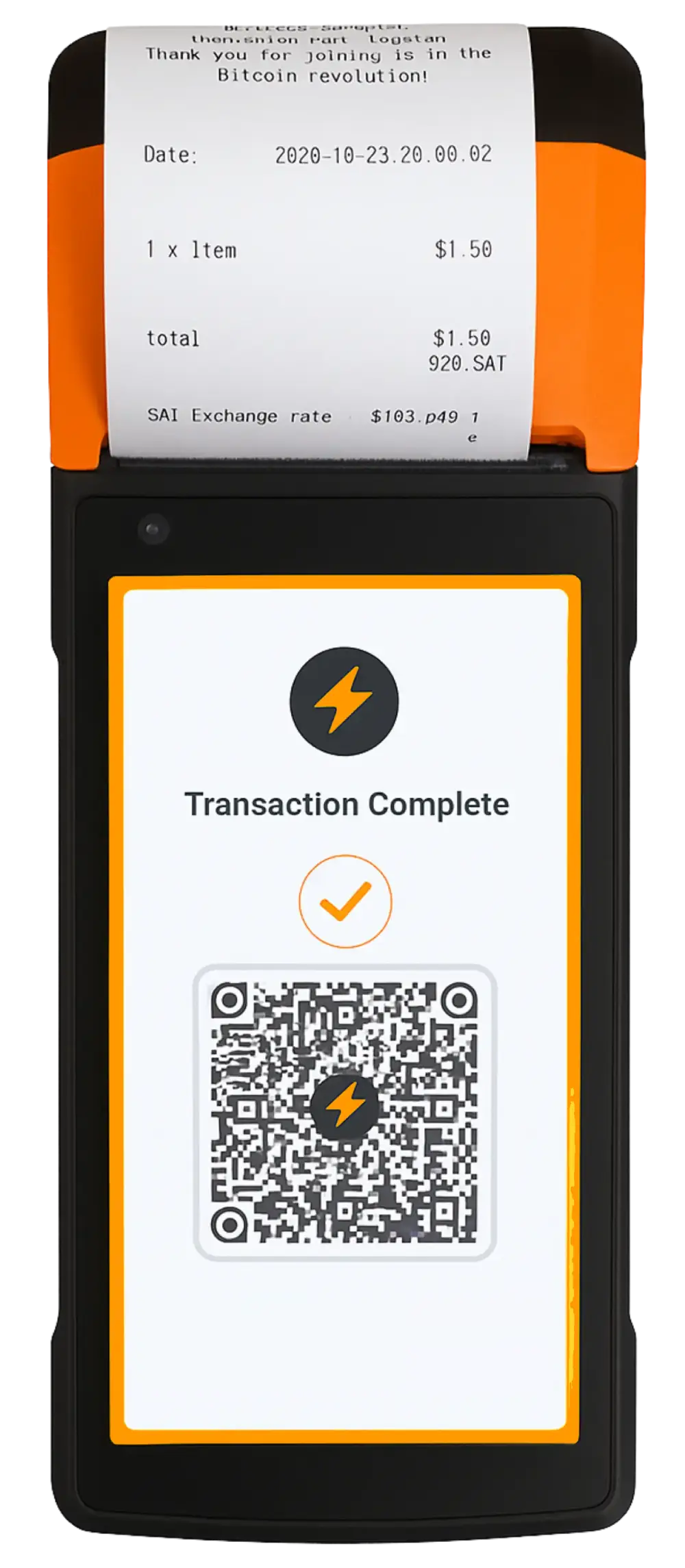
In 2026, tax scrutiny has intensified, particularly in markets like India where Schedule VDA requires individual transaction reporting. Choose a system that automatically logs every crypto transaction and cross-checks it against exchange data. AI-driven tools can now generate these reports in real-time, reducing the administrative burden during tax season.
Traditional crypto POS systems take minutes to confirm transactions, while AI-optimized networks settle in seconds. Compare the effective fees: some providers charge a percentage of the transaction, while others offer flat monthly rates. For high-volume retail, instant fiat settlement via AI market makers eliminates volatility risk but may incur slightly higher processing fees.

The 2026 trend favors wallets that accept a broad spectrum of assets, from Bitcoin and Ethereum to stablecoins like USDC. Ensure your POS can handle the specific coins your customers prefer. AI-driven integration often allows for dynamic currency conversion, automatically routing payments through the most liquid asset to minimize slippage.
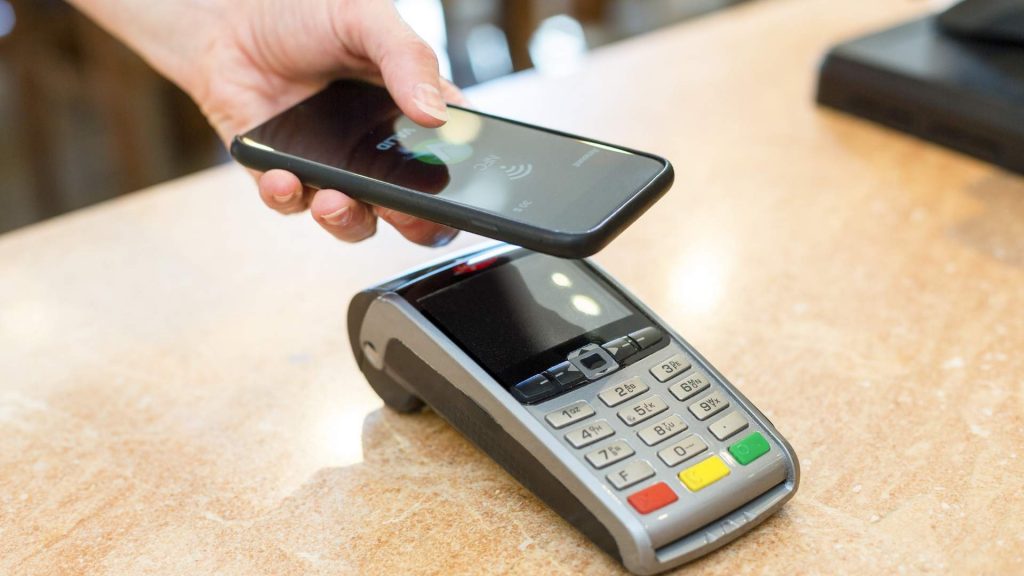
Determine if you need dedicated terminals or if your existing smartphones and tablets can run the POS software. Modern AI POS solutions are often cloud-based, allowing you to use NFC-enabled devices for contactless crypto payments. This reduces upfront hardware costs and makes it easier to scale across multiple locations.
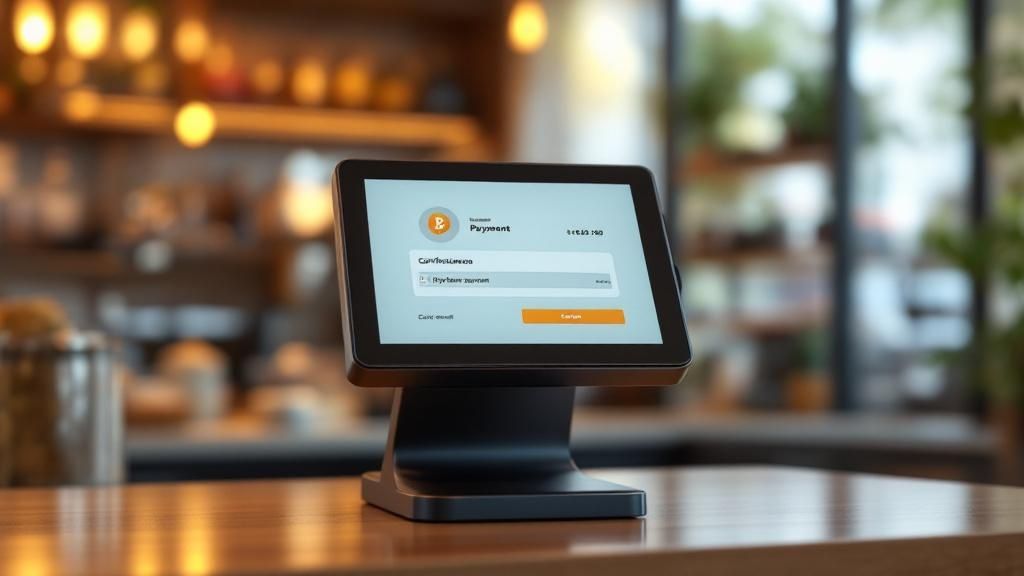
The checkout process should be as fast as tapping a credit card. Look for systems with QR code generation and one-tap confirmation. A clunky interface increases abandonment rates. Test the setup process with a small transaction to ensure the AI settlement layer processes the funds correctly and updates your inventory automatically.
| Best For | Key Feature | Tradeoff |
|---|---|---|
| Compliance-First | Automated Tax Reporting | Higher monthly cost |
| Speed | AI Instant Settlement | Slightly higher fees |
| Low-Cost | Cloud-Based Mobile POS | Requires stable internet |
Avoid Weak Crypto POS Options
Many providers still push basic wallet integrations that lack real settlement speed or regulatory compliance. In 2026, AI-driven settlements require more than just a QR code; they need automated tax reporting and instant fiat conversion. Choosing a weak option means handling manual reconciliation and risking non-compliance with new rules like India’s Schedule VDA.
Common Mistakes to Avoid
Ignoring Tax Reporting New 2026 rules require individual transaction reporting. If your POS doesn’t auto-generate reports, you’ll face audits. Ensure your provider integrates directly with exchange data for cross-checking.
Overlooking Settlement Speed Slow settlements tie up capital. AI-driven systems should settle in seconds, not hours. Test the provider’s latency during peak hours to avoid checkout bottlenecks.
Skipping Compliance Checks Not all providers are fully compliant with 2026’s stricter enforcement. Verify their licensing status and data security protocols before signing.
Comparison: Weak vs. Strong Options
| Feature | Weak Option | Strong AI-Driven Option |
|---|---|---|
| Settlement Speed | Hours/Days | Seconds |
| Tax Reporting | Manual | Automated |
| Compliance | Basic | Full 2026 Standards |
Decision Guide
Choose a provider that offers real-time settlement and automated tax reporting. This ensures compliance and keeps your business running smoothly.
Crypto pos 2026: what to check next
Merchants adopting AI-driven settlement are navigating a rapidly shifting regulatory and market landscape. Understanding the practical implications of 2026's compliance changes and market trends is essential for operational stability.
No comments yet. Be the first to share your thoughts!