
Why crypto POS 2026 matters for retailers
By 2026, accepting cryptocurrency is a baseline requirement for retail competitiveness. Major global brands have normalized crypto payments, shifting the landscape from niche adoption to mainstream infrastructure. Merchants who delay integration risk losing market share to competitors offering frictionless, borderless transaction options.
The urgency is driven by consumer demand for alternative payment methods and maturing regulatory frameworks. In markets like India, 2026 introduces stricter scrutiny, requiring merchants to report each cryptocurrency transaction individually under Schedule VDA. This regulatory clarity reduces legal ambiguity but demands precise technical compliance from POS systems. Retailers must now treat crypto infrastructure with the same rigor as traditional banking integrations.
Adopting a compliant crypto POS solution allows retailers to capture this demand while managing volatility and reporting obligations. For retailers, the choice is no longer whether to accept crypto, but how to implement a system that satisfies both customer expectations and regulatory audits.
How modern crypto POS systems work
A modern crypto POS system functions as a bridge between blockchain ledgers and traditional accounting. When a customer initiates a payment, the system orchestrates backend operations to ensure the merchant receives stable value while maintaining regulatory compliance. This process relies on instant fiat conversion and secure wallet integration to mitigate volatility risks.
The transaction flow begins when the customer scans a QR code or enters their wallet address. This triggers a request to a payment gateway, which calculates the exact crypto amount based on the current exchange rate. The system generates a unique, time-sensitive address for the transaction, ensuring each payment is uniquely identifiable for audit trails.
Once the customer confirms the transfer, the blockchain network validates it. Unlike traditional bank transfers, crypto transactions confirm within minutes. The POS system uses real-time oracles to verify the transaction's presence on the ledger, allowing the merchant to proceed with the sale almost immediately.
The final step is conversion. To protect against market fluctuations, the crypto POS system automatically swaps the received digital asset for fiat currency through a liquidity provider. This converted value is settled into the merchant’s bank account, removing cryptocurrency volatility from the operational risk profile.
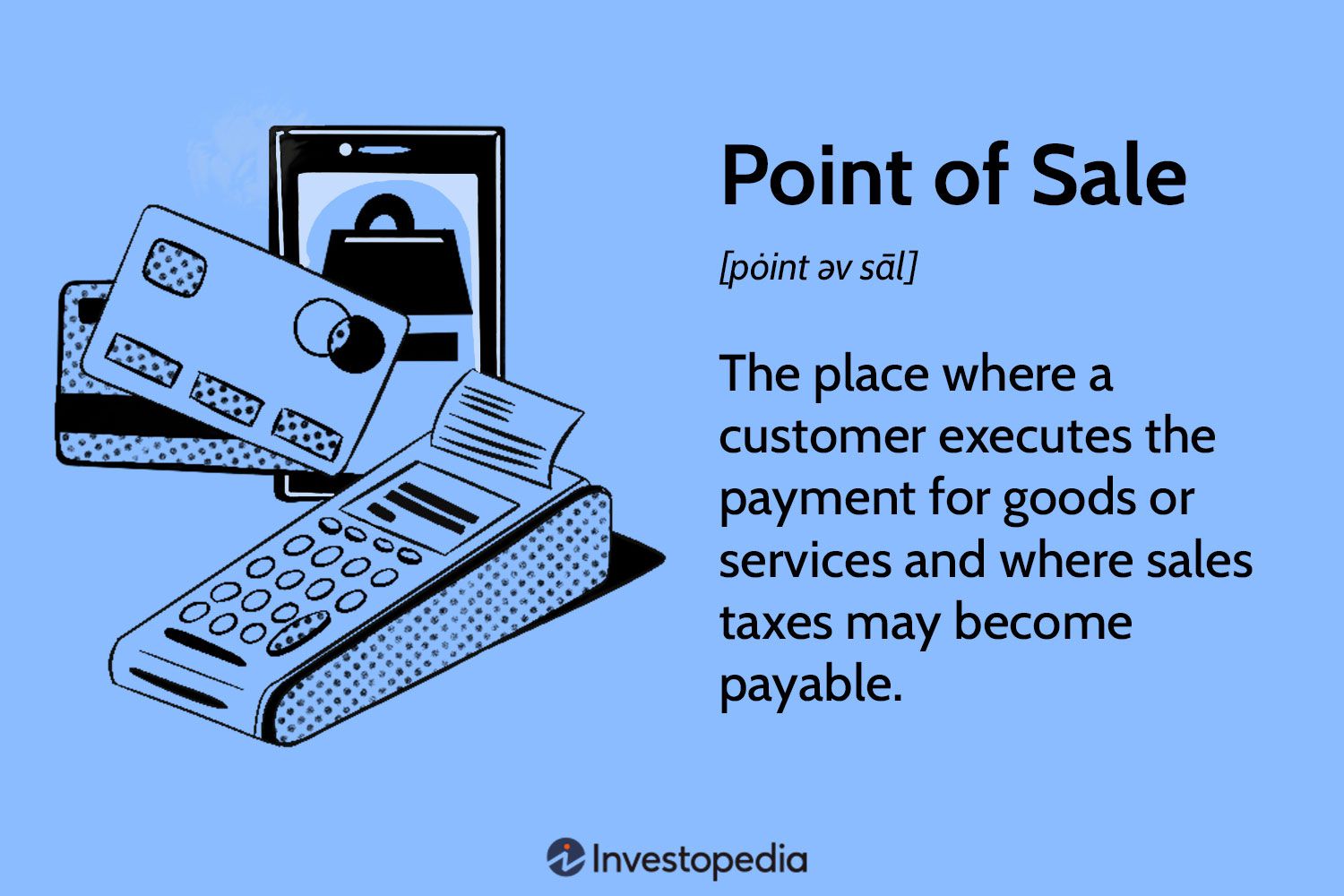
The system calculates the crypto equivalent of the fiat total using live exchange rates. It generates a unique, time-sensitive wallet address for the customer to send funds to, ensuring the transaction is uniquely tracked for compliance and accounting purposes.

The customer’s wallet broadcasts the transaction to the network. The POS system monitors the blockchain for confirmations. Unlike traditional banking, which may take days, this verification typically occurs within minutes, allowing the merchant to update inventory and sales records in real time.
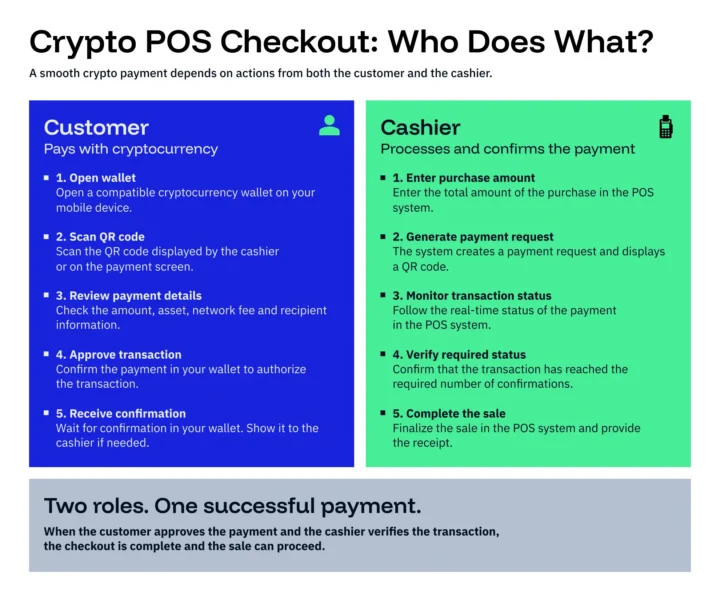
To eliminate volatility risk, the payment gateway automatically swaps the received digital asset for fiat currency. This step ensures the merchant receives a stable, predictable amount, protecting the business from market fluctuations between the time of sale and settlement.

The converted fiat funds are transferred to the merchant’s designated bank account. This final step completes the cycle, integrating the digital payment into the traditional financial system for accounting, tax reporting, and regulatory compliance.
Comparing top crypto payment gateways
Selecting a crypto payment gateway requires balancing operational cost, regulatory compliance, and technical integration complexity. In 2026, the landscape is defined by trade-offs between centralized custodians, which offer fiat settlement and streamlined onboarding, and decentralized solutions, which prioritize non-custodial control.
For merchants in high-stakes regulatory environments, the gateway choice directly impacts tax reporting obligations. Centralized providers like Stripe and BitPay act as intermediaries, handling compliance checks and fiat conversion. Decentralized options like BTCPay Server eliminate counterparty risk but require significant technical overhead.
| Provider | Standard Fees | Supported Chains | Settlement | Custody Model |
|---|---|---|---|---|
| Stripe | 1% + 2.9% | BTC, ETH, USDC, USDT | Instant Fiat | Custodial |
| BitPay | 1% | BTC, ETH, LTC, BNB | Instant Fiat | Custodial |
| Coinbase Commerce | 1% | BTC, ETH, LTC, DOGE, USDC | Crypto to Wallet | Non-custodial |
| BTCPay Server | 0% (network only) | BTC, Lightning, Liquid | Direct to Wallet | Non-custodial |
| NOWPayments | 0.5% - 1% | 500+ altcoins | Crypto or Fiat | Mixed |
Fee Structures and Hidden Costs
Stripe and BitPay operate on a flat percentage model, typically adding a small network fee. These fees include the cost of fiat conversion and compliance processing. Coinbase Commerce charges a flat 1% fee, competitive for merchants who wish to hold crypto assets. BTCPay Server is open-source and fee-free, but merchants must cover Bitcoin network transaction fees and infrastructure costs. NOWPayments offers a lower base fee but may apply higher spreads during automatic fiat conversion.
Supported Chains and Asset Diversity
The range of supported assets affects customer reach. Stripe and BitPay focus on major assets to minimize volatility risk. Coinbase Commerce supports a broader range, including Litecoin and Dogecoin. NOWPayments supports over 500 cryptocurrencies, increasing the complexity of inventory management and tax reporting. For merchants prioritizing stability, stablecoin-only gateways are increasingly preferred.
Settlement and Custody Models
Settlement speed and custody are critical for cash flow and legal liability. Custodial providers settle funds instantly into merchant bank accounts, simplifying accounting but introducing counterparty risk. Non-custodial models transfer funds directly to merchant wallets, eliminating intermediary risk but requiring merchants to manage private keys. High-volume merchants often prefer non-custodial settlement for liquidity control, while smaller businesses prefer custodial settlement for ease of use.
Integration Complexity
Technical integration varies significantly. Stripe and Coinbase Commerce offer mature APIs and pre-built plugins for major e-commerce platforms. BitPay provides similar integration ease with a focus on retail point-of-sale systems. BTCPay Server requires manual installation, making it suitable for technically skilled teams. NOWPayments offers a simple checkout widget for quick deployment but offers less customization than full API integrations.
Compliance and Regulatory Alignment
In 2026, regulatory scrutiny on crypto payments has intensified. Custodial providers are typically registered Money Services Businesses, handling KYC/AML checks on behalf of merchants. This reduces the merchant’s compliance burden but requires sharing customer data. Non-custodial providers shift the compliance responsibility to the merchant, requiring them to implement their own KYC/AML procedures if operating in regulated jurisdictions.
2026 tax rules and reporting obligations
The regulatory landscape for crypto POS systems has tightened significantly in 2026. Businesses accepting digital assets must navigate a rigorous compliance framework driven by enhanced enforcement. Authorities are actively cross-checking merchant filings against exchange records to ensure accuracy.
Transaction-level reporting under Schedule VDA
The most critical change for retailers is the requirement to report each crypto transaction individually. Under Schedule VDA, businesses can no longer aggregate sales into broad categories. Every sale, refund, or conversion must be logged with specific details, including timestamps, asset types, and transaction hashes. This granular detail eliminates ambiguity and prevents the underreporting of taxable events.
Impact on POS integration
For POS providers, this shift necessitates deeper integration with tax compliance tools. Systems must generate detailed audit trails that align with Schedule VDA requirements. Every time a customer pays with Bitcoin or Ethereum, the POS software must capture and store the necessary metadata for tax filing. Businesses that fail to upgrade their POS systems risk non-compliance, which can lead to fines or legal action.
Choosing the right POS for your business
Selecting a point-of-sale system for cryptocurrency transactions requires matching technical capability to operational volume. The 2026 regulatory landscape demands systems that handle immediate fiat conversion and detailed transaction reporting.
Low-volume merchants often prefer gateways that convert crypto to fiat instantly. This removes price volatility risk and simplifies accounting. High-volume retailers may require native multi-currency wallets to reduce transaction fees, though this introduces complex tax reporting obligations for each distinct asset held.
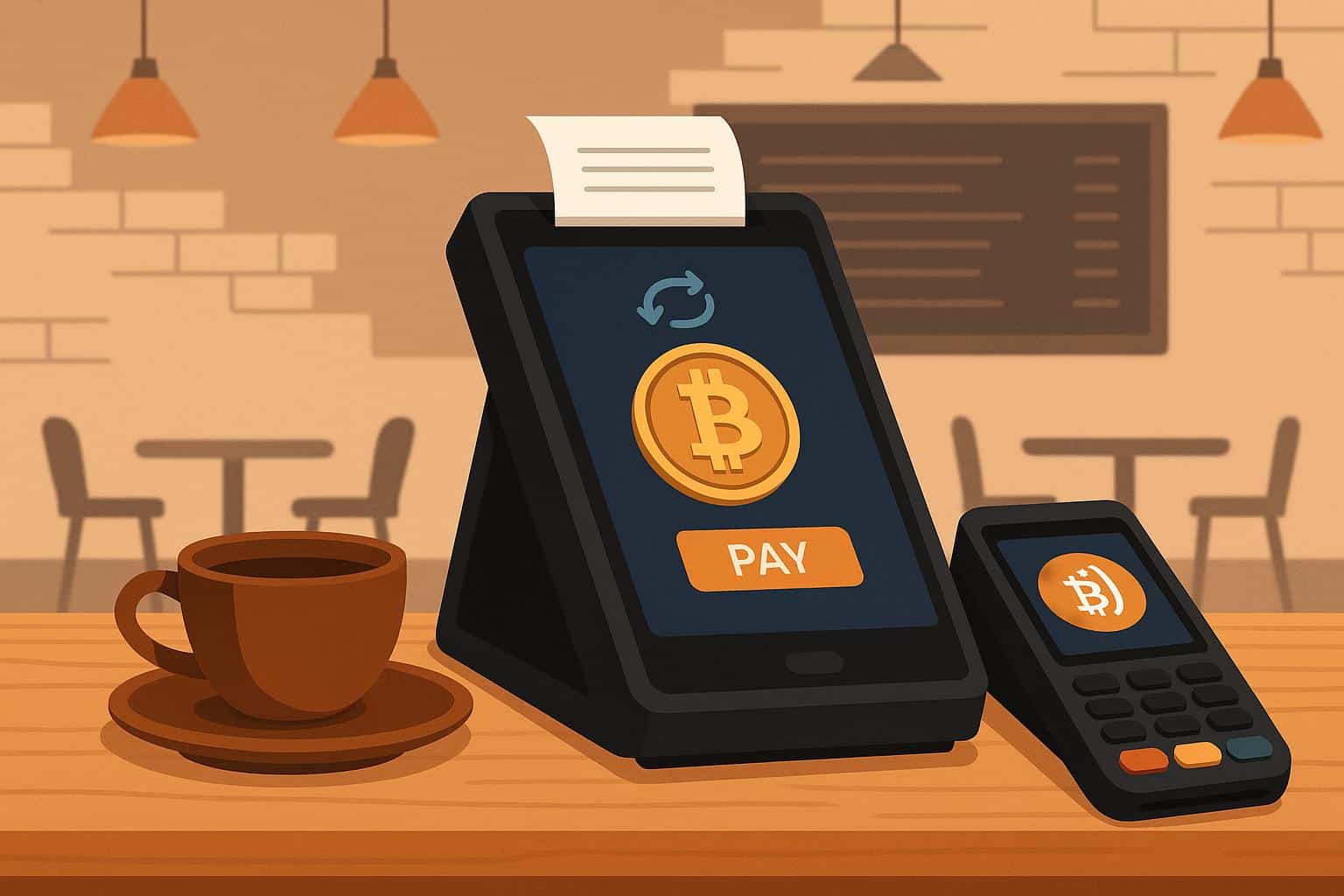
Systems must generate detailed logs for Schedule VDA or equivalent local tax requirements. Look for built-in transaction history that separates capital gains from ordinary income. Manual export capabilities are insufficient for high-stakes compliance audits in 2026.
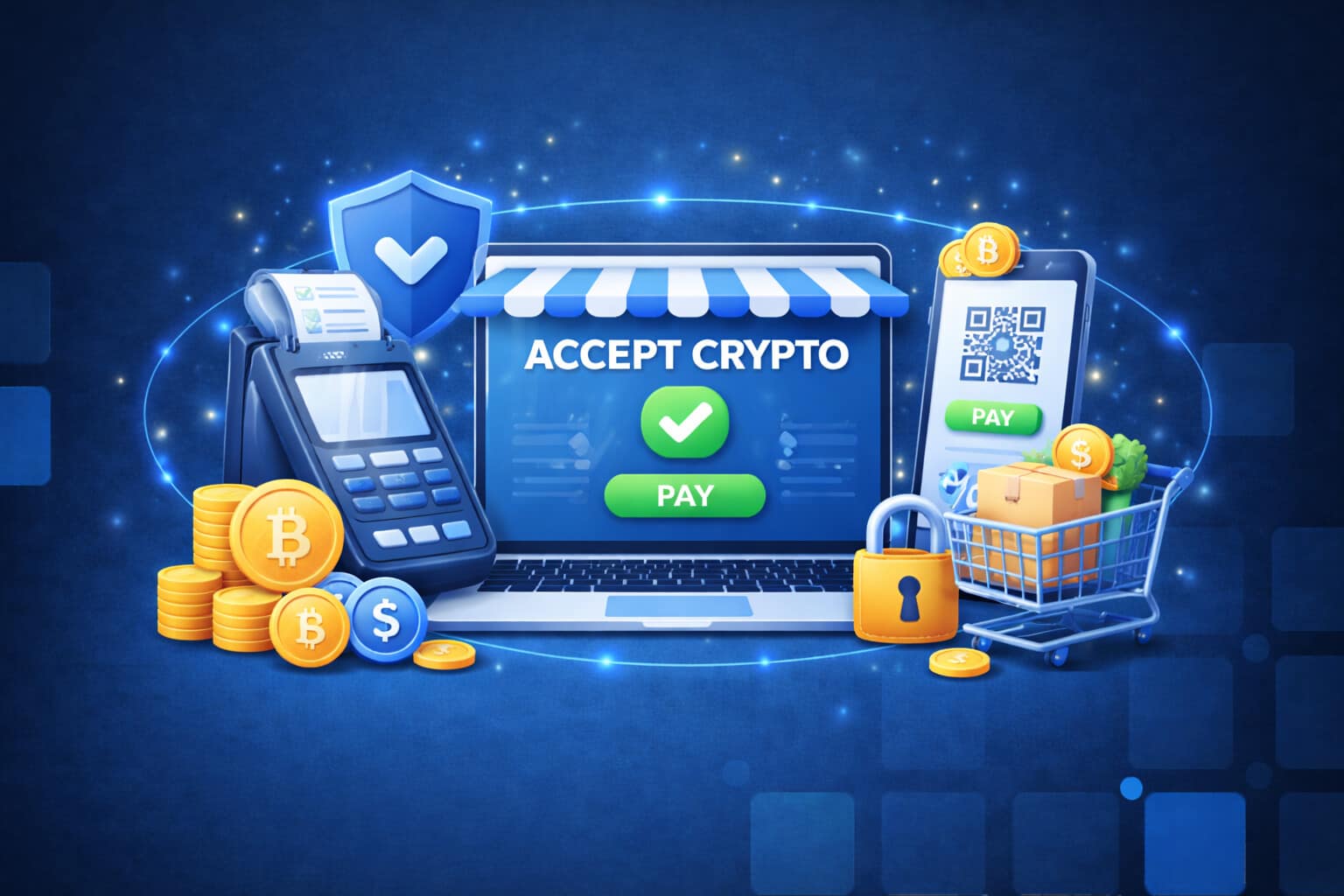
Ensure the software integrates with existing terminal hardware or provides certified NFC-enabled devices. Legacy systems often lack the firmware updates required for secure cryptographic signing. Verify that the provider supports the specific card types and mobile wallets your customer base uses.
Compare flat fees against percentage-based models. Some providers charge higher rates for stablecoins to cover liquidity risks. Ensure the provider has deep liquidity pools to prevent settlement delays during high market volatility.
| Feature | Payment Gateway | Native POS Hardware |
|---|---|---|
| Settlement Speed | Instant Fiat | Variable |
| Tax Reporting | Basic Export | Integrated Logs |
| Hardware Cost | Low | High |
| Volatility Risk | None | Managed |
Use this comparison to align your technical infrastructure with your compliance obligations. The right choice minimizes operational friction while maintaining audit-ready records.
Frequently asked questions about crypto POS
What is the new rule for crypto in 2026?
India's 2026 tax season introduces stricter scrutiny for cryptocurrency investors, with enhanced enforcement and new reporting obligations. Taxpayers must now report each crypto transaction individually under Schedule VDA, and authorities will cross-check filings against exchange data. For retail integrations, this means POS systems must provide granular, transaction-level reporting to ensure compliance with these new audit requirements.
How does crypto POS integration work with existing retail systems?
Modern crypto POS systems integrate with existing retail infrastructure through API connections, allowing seamless conversion of cryptocurrency to fiat currency at the point of sale. This integration ensures that merchants can accept digital assets without disrupting their current accounting or inventory management workflows, reducing friction for both the business and the consumer.
Why is crypto wallet integration critical for businesses in 2026?
Direct wallet integration reduces reliance on third-party payment processors, lowers transaction fees, and provides customers with greater control over their digital assets, aligning with the growing demand for decentralized finance solutions. For businesses, this means greater autonomy over funds and reduced counterparty risk, provided they can manage the associated security responsibilities.
No comments yet. Be the first to share your thoughts!