
What to expect from crypto POS in 2026
The shift toward stablecoins and real-time FX settlement is no longer experimental; it is the operational standard for merchants who need to manage cash flow without exposure to market volatility. By 2026, the friction that once deterred mainstream adoption—slow settlement times and complex tax implications—has been largely resolved through integrated fiat conversion layers.
Modern POS systems now prioritize speed and compliance. They automatically convert digital asset payments into local currency at the point of sale, ensuring that your revenue remains stable regardless of the underlying asset's fluctuation. This capability allows businesses to accept Bitcoin, Ethereum, and major stablecoins while maintaining the financial predictability of traditional card networks.
While prediction markets and derivative-anchored interfaces are gaining traction among institutional traders, the practical reality for most merchants remains focused on transactional efficiency. The trend in the crypto market in 2026 favors interoperability, where POS terminals act as seamless bridges between decentralized ledgers and traditional banking rails.
This evolution means that accepting crypto is no longer about speculation; it is about offering customers a faster, more flexible payment option while protecting your bottom line. The systems that dominate the market are those that handle the complexity of blockchain verification behind the scenes, delivering a checkout experience that feels identical to using a debit card.
Crypto pos 2026 choices that change the plan
Choosing a crypto POS system in 2026 requires balancing transaction speed, currency stability, and integration depth. While the market sees rising adoption of stablecoins and real-time FX settlement, each provider offers distinct advantages depending on your business model. Understanding these tradeoffs helps avoid hidden costs and operational friction.
Key Factors to Evaluate
Settlement Speed and Currency Immediate fiat conversion protects against volatility but may incur higher fees. Holding crypto offers lower costs but exposes you to market swings. Stablecoin support is now standard, but settlement times vary by blockchain network congestion.
Integration Complexity Plug-and-play terminals suit retail environments needing quick setup. API-driven gateways offer flexibility for e-commerce but require development resources. Compatibility with existing POS hardware (like Square or Clover) is critical for seamless adoption.
Fee Structure Look beyond the percentage fee. Some providers charge per-transaction flat fees, while others have monthly subscriptions. International transactions may incur additional FX spreads. Always calculate the total cost of ownership based on your average ticket size.
Comparison Table
| Feature | Inqud | Pallapay | SitePoint Gateways | Ledger CL Card |
|---|---|---|---|---|
| Primary Focus | Retail Terminal | Merchant Guide/Integration | E-commerce Gateways | Hardware Security |
| Supported Coins | BTC, ETH, Alts | Multiple + Stablecoins | BTC, ETH, Stablecoins | BTC-backed Spending |
| Settlement | Fast Fiat/ Crypto | Instant Fiat Conversion | Varies by Provider | Fiat (Card Network) |
| Integration | POS Hardware | API/Plugin | API/Plugin | N/A (Hardware) |
| Best For | In-person Retail | Mixed Online/Offline | E-commerce Focus | Security-Conscious |
Decision Framework
- For Brick-and-Mortar Retail: Prioritize hardware compatibility and instant settlement. Inqud’s terminal approach minimizes customer friction at the point of sale.
- For E-commerce: Choose an API gateway that supports stablecoins to reduce volatility risk. SitePoint’s curated list helps identify providers with robust checkout UX.
- For Security-First Businesses: Consider hardware-backed solutions like the Ledger CL Card, which allows spending without exposing private keys directly during transactions.
How to choose the right crypto POS system
Selecting a point-of-sale system for 2026 requires balancing transaction speed, fee structures, and settlement preferences. The best system depends on whether your business prioritizes immediate fiat conversion to avoid volatility or prefers holding stablecoins for lower fees and faster cross-border settlements.
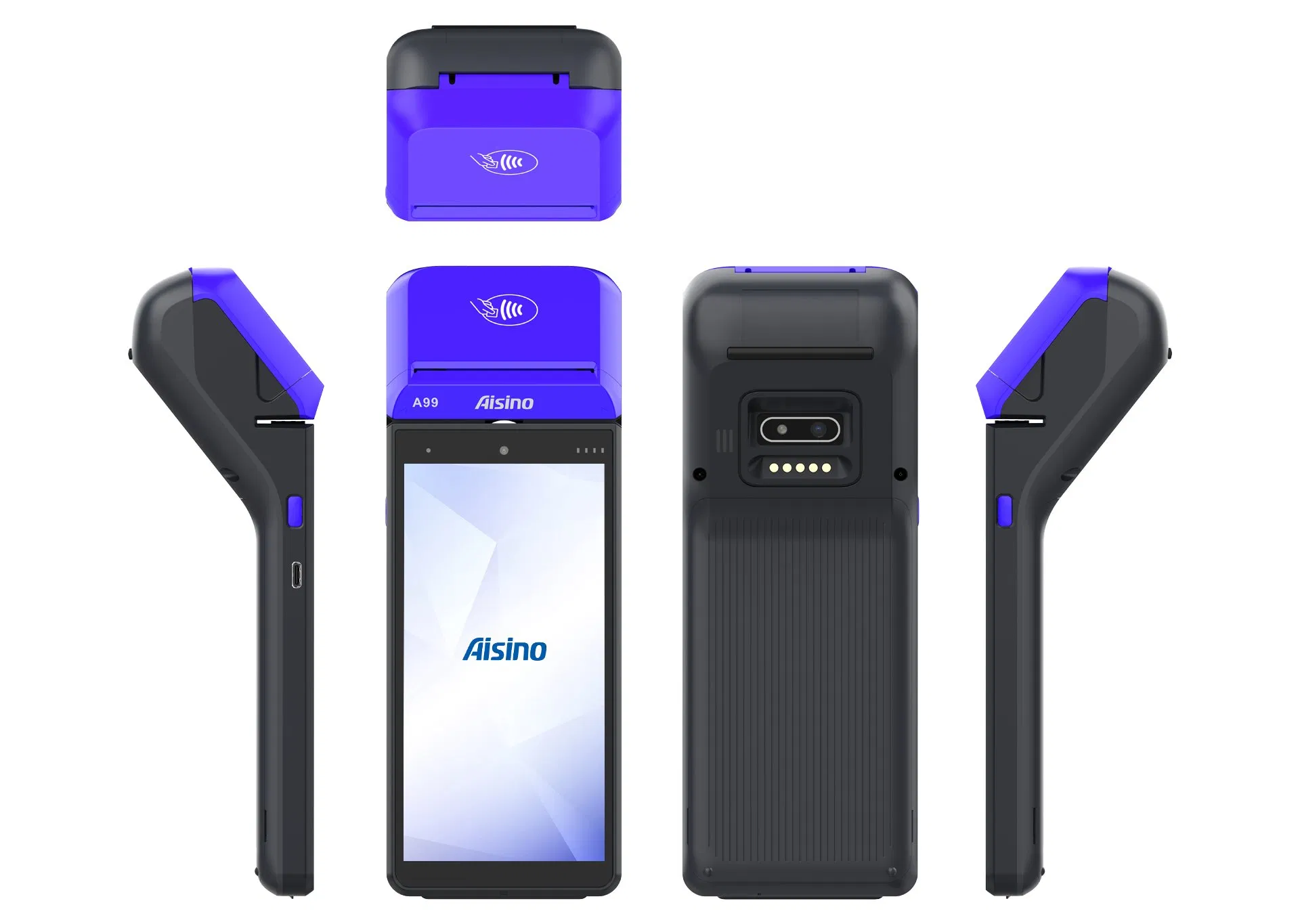
Decide if you need instant fiat deposits or stablecoin retention. Systems like Inqud allow merchants to accept Bitcoin or Ethereum and automatically convert to fiat, removing price risk. If you operate in regions with high banking fees or want to retain digital assets, choose a processor that supports direct stablecoin settlement (USDC/USDT) with minimal spread.
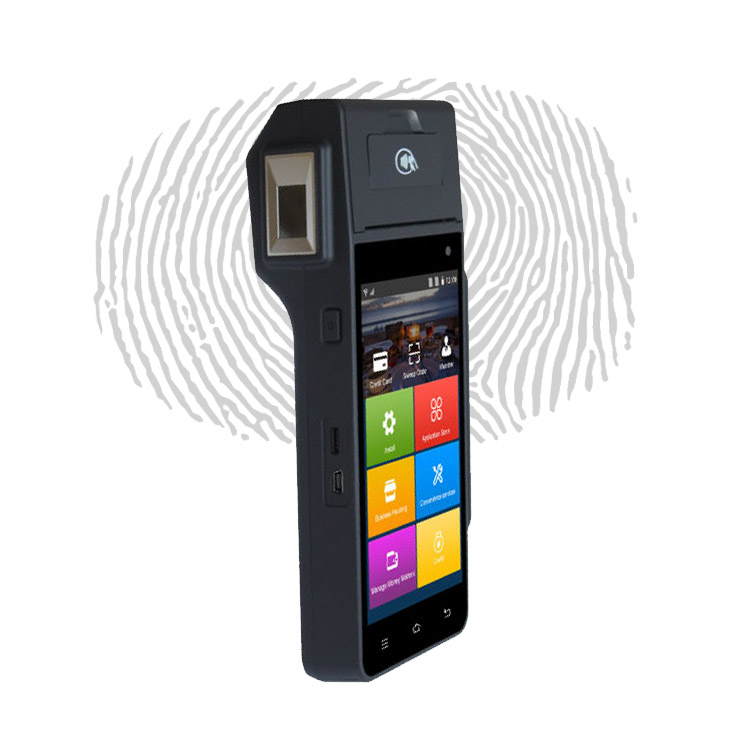
Not all processors support the same blockchain infrastructure. Ensure the system integrates with high-throughput networks like Solana or Ethereum L2s if you expect high transaction volumes. Check if the terminal accepts the specific tokens your customers hold, including niche altcoins or region-specific stablecoins, to maximize acceptance rates.
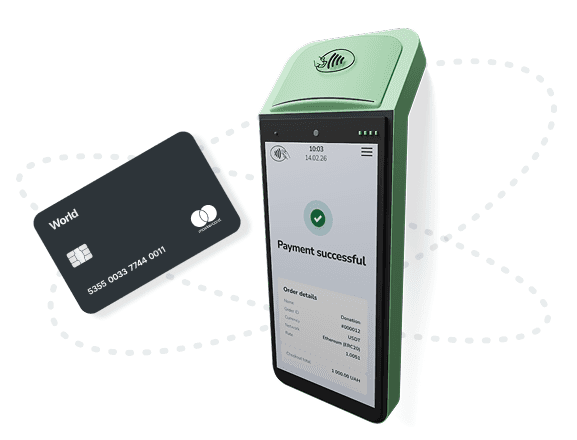
Crypto processing fees vary significantly. Some providers charge a flat percentage per transaction, while others add network gas fees or currency conversion spreads. Compare the total cost of ownership, including hardware leasing fees and monthly SaaS costs, against traditional credit card processing rates to determine the actual savings.
Ensure the POS software integrates seamlessly with your existing inventory and accounting tools. For physical retail, verify that the mobile or handheld terminals are compatible with your current operating system. A robust API is essential for automating reconciliation and avoiding manual bookkeeping errors.
| Feature | Fiat Settlement | Stablecoin Settlement | Best For |
|---|---|---|---|
| Settlement Speed | T+1 or T+2 | Instant | Businesses needing predictable cash flow |
| Volatility Risk | None (locked at sale) | Low (if stable) | Merchants avoiding crypto price swings |
| Transaction Fees | Higher (bank processing) | Lower (network fees) | High-volume or cross-border sales |
| Customer Reach | Broad (auto-convert) | Niche (crypto-native) | Web3-native or tech-savvy audiences |
Watchouts: Avoiding Weak Crypto POS Options
The crypto POS market is crowded with generic adapters that lack the infrastructure needed for real-world commerce. Many systems advertise "blockchain compatibility" while failing to provide the instant fiat conversion or robust settlement layers that merchants actually require. Choosing a weak option often results in frozen liquidity, high withdrawal fees, or exposure to volatile exchange rates during the settlement window.
Beware of terminals that claim to support every token without specifying settlement currency. If a system accepts Solana but settles in a non-liquid stablecoin, you risk slippage and delay. Similarly, avoid providers that do not offer clear, transparent fee structures for both the transaction and the currency conversion. The trend in 2026 favors systems that integrate directly with regulated fiat rails rather than relying on opaque third-party aggregators.
Before committing to a provider, verify their uptime history and customer support responsiveness. Weak POS systems often crumble during peak traffic, leading to lost sales and frustrated customers. Look for systems that offer real-time FX settlement and have clear protocols for handling failed transactions. The cost of switching providers mid-year is high, so prioritize reliability and integration depth over a long list of unsupported tokens.
Crypto pos 2026: what to check next
Merchants adopting crypto POS systems in 2026 prioritize speed, low fees, and regulatory compliance. The following answers address the most common objections and technical considerations before integrating stablecoin settlement or real-time FX conversion.
No comments yet. Be the first to share your thoughts!