
Crypto payment processing 2026
Merchants asking "Is there a crypto payment processor?" are no longer looking for experimental tools. By 2026, crypto payment gateways function like traditional card processors but on blockchain rails, enabling instant settlement and lower fees for many transaction types [Bitcoin Foundation]. The shift from niche adoption to mainstream infrastructure is driven by merchants seeking to reduce chargeback risks and cross-border friction.
However, the landscape is not uniform. Regulatory clarity varies significantly by jurisdiction. For instance, India’s 2026 tax season introduced stricter scrutiny for cryptocurrency investors, requiring each crypto transaction to be reported individually under Schedule VDA. This heightened compliance burden means that merchants must choose processors that offer robust reporting features to avoid penalties [Siam.in].
The result is a market where operational reliability matters more than hype. Businesses are moving away from direct wallet-to-wallet transactions toward integrated gateways that handle conversion, compliance, and settlement. This transition is reshaping how small businesses accept digital assets, turning crypto from a speculative asset into a functional payment method. The following section breaks down the specific rules and tools defining this new era.
Crypto payment processing 2026 choices that change the plan
Choosing a crypto payment gateway in 2026 requires balancing speed, cost, and regulatory compliance. Traditional terminals offer familiarity, but crypto gateways provide faster settlement and lower cross-border fees. The decision hinges on your specific volume, target markets, and technical capacity.
Fees and Settlement Speed
Processing fees for crypto typically range from 1% to 2%, significantly lower than traditional card networks which often charge 2.9% + $0.30. However, settlement speed varies. Some gateways offer instant fiat conversion, while others hold funds in crypto wallets for hours or days. For high-volume merchants, immediate fiat settlement reduces volatility risk but may incur slightly higher fees.
Regulatory Compliance and Reporting
With 2026 bringing stricter tax enforcement, such as India's new Schedule VDA requirements, transaction reporting is critical. Gateways must provide detailed, exportable transaction logs for each customer purchase. Manual tracking is error-prone; integrated accounting tools are essential for audit readiness. Ensure your provider supports automated tax reporting for your jurisdiction.
Integration and Technical Support
Integration complexity depends on your existing e-commerce platform. Some gateways offer plug-and-play plugins for Shopify or WooCommerce, while others require custom API development. Technical support quality varies widely. Enterprise-grade providers offer dedicated account managers, while smaller gateways may rely on community forums. For mission-critical systems, guaranteed uptime and 24/7 support are non-negotiable.
Currency Support and Global Reach
Not all gateways support the same cryptocurrencies or fiat currencies. If you operate globally, ensure your provider supports stablecoins like USDT or USDC for stable settlement, along with major cryptos like Bitcoin and Ethereum. Some providers also support local fiat currencies in specific regions, reducing friction for international customers.
| Provider | Fee % | Settlement | 2026 Compliance | Ease of Use |
|---|---|---|---|---|
| Triple-A | 1.5 | Instant Fiat | High | Medium |
| BitPay | 1.0 | 1-3 Days | High | High |
| Coinbase Commerce | 1.0 | Instant Crypto | Medium | High |
| NOWPayments | 0.5 | Instant Crypto | Low | High |
Choose the next step
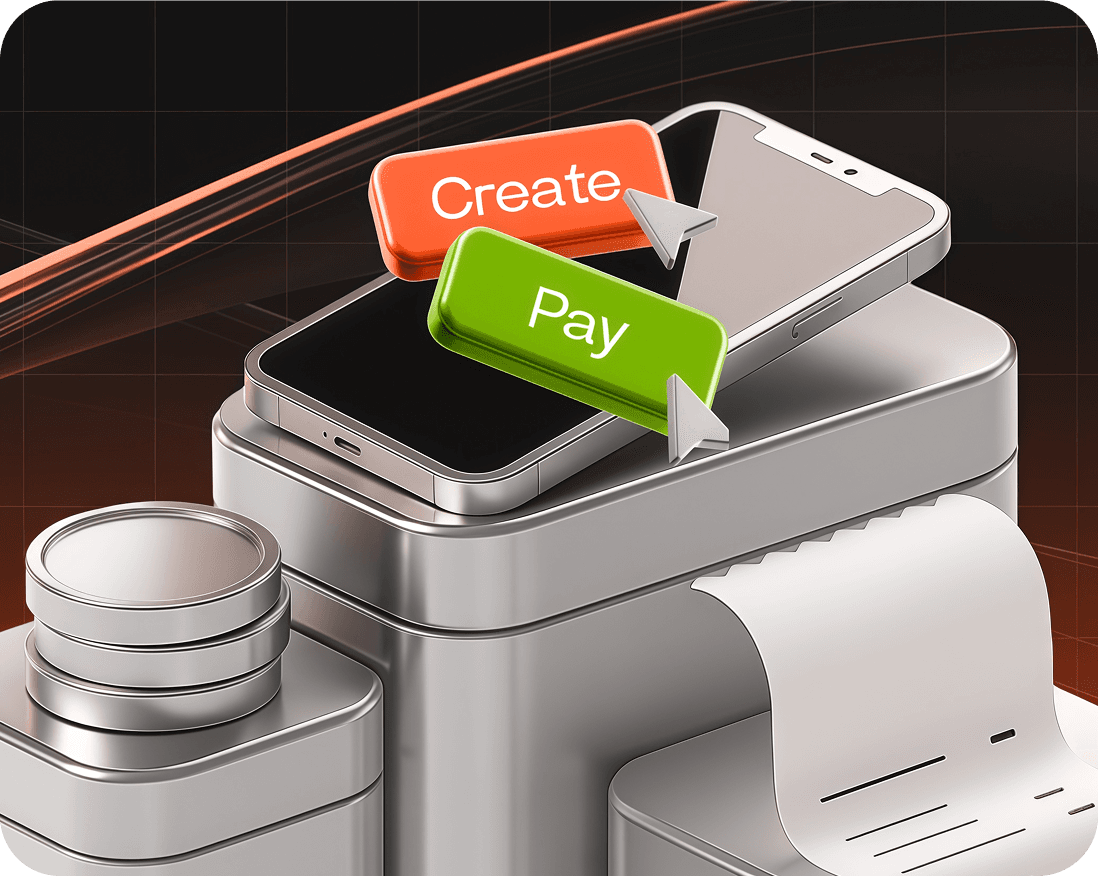
Why is the Year Crypto POS Systems Replace Traditional Payment Terminals works best as a clear sequence: define the constraint, compare the realistic options, test the tradeoff, and choose the path with the fewest hidden costs. That order keeps the advice usable instead of decorative. After each step, pause long enough to check whether the recommendation still fits the reader's actual situation. If it depends on perfect timing, unusual access, or a best-case budget, include a simpler fallback.

The Weak Options to Avoid
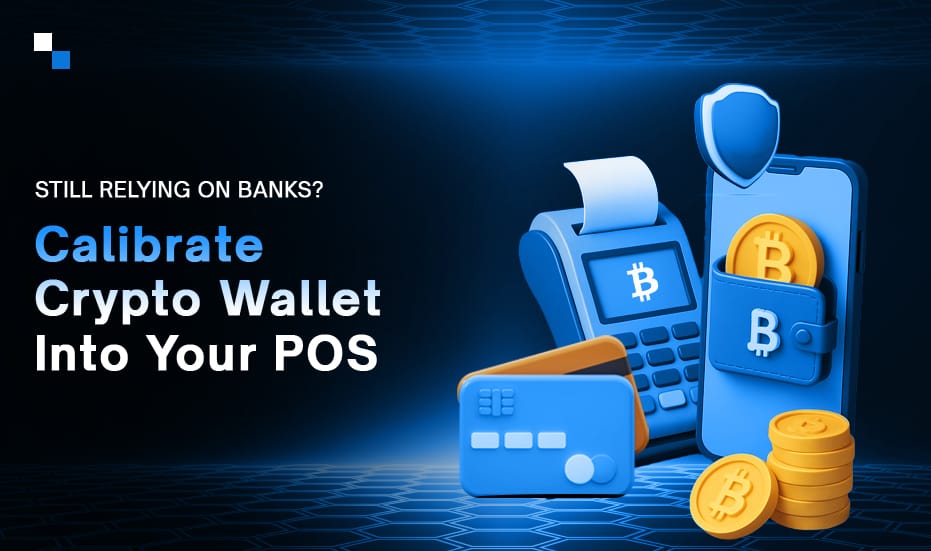
Not every crypto payment gateway deserves a spot in your POS stack. The market is crowded with platforms that look capable on paper but fail when real-world friction hits. You need to distinguish between robust infrastructure and marketing fluff before signing a contract.
High Volatility Without Hedging
Some gateways settle directly in volatile assets like Bitcoin or Ethereum without offering instant fiat conversion. If your business cannot absorb price swings between the moment a customer pays and when you receive funds, these options are dangerous. Stick to providers that offer automatic conversion to your local currency, effectively neutralizing crypto volatility for your daily operations.
Hidden Fees and Slow Settlements
A low headline fee often hides costly withdrawal charges or slow settlement times. Traditional terminals offer next-day payouts; crypto systems should not lag significantly behind. Watch out for platforms that impose high withdrawal fees or take several days to clear funds. This friction kills cash flow and frustrates both merchants and customers.
Poor Integration and UX
The best crypto POS system is one that feels invisible to the customer. Avoid gateways that require manual invoice generation or complex QR code scanning steps. The checkout experience must be as smooth as swiping a card. If the integration requires developers to write custom code for every update, it is not ready for mainstream retail use.
Regulatory Non-Compliance
With 2026 bringing stricter scrutiny, such as India's new Schedule VDA reporting, compliance is no longer optional. Choose processors that handle KYC/AML checks automatically and provide clear transaction records for tax authorities. Non-compliant systems expose your business to legal risks and potential fines.
Crypto payment processing 2026: what to check next
Merchants moving to crypto terminals face specific regulatory and technical hurdles this year. These answers clarify the compliance landscape and the tools available for integration.
Helpful gear
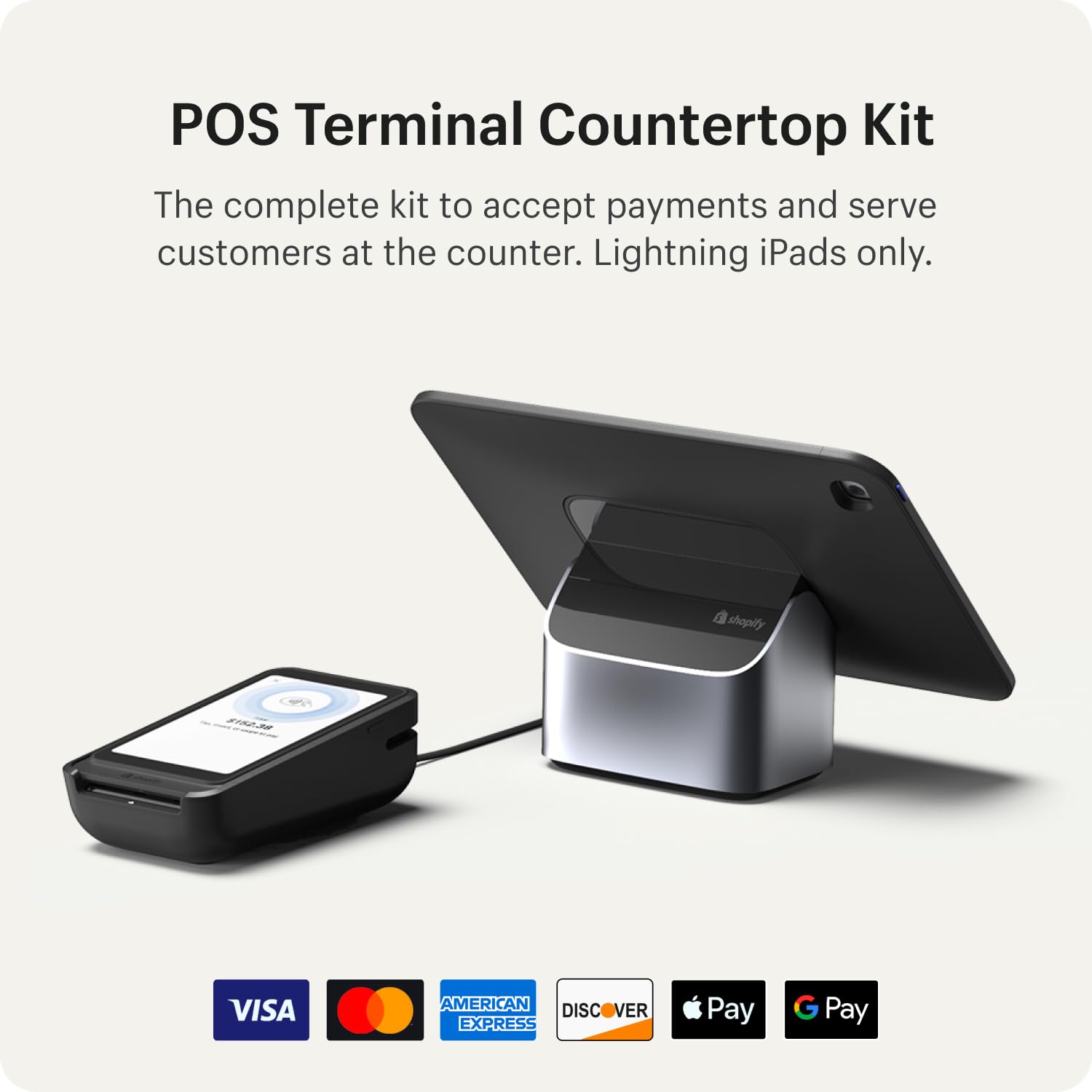
Use these product recommendations as a starting point, then choose the size, material, and price point that fit how you actually use the gear.


As an Amazon Associate, we may earn from qualifying purchases.
No comments yet. Be the first to share your thoughts!