
Crypto POS in 2026: What Merchants Actually Need
The landscape for crypto point-of-sale systems has shifted from experimental novelty to a mature, compliance-driven utility. By 2026, the primary value of a crypto POS is no longer just accepting digital assets, but the instant, risk-free conversion to fiat currency at the register. This capability has become the standard requirement for merchants who want to avoid volatility exposure while still offering customers a modern payment option.
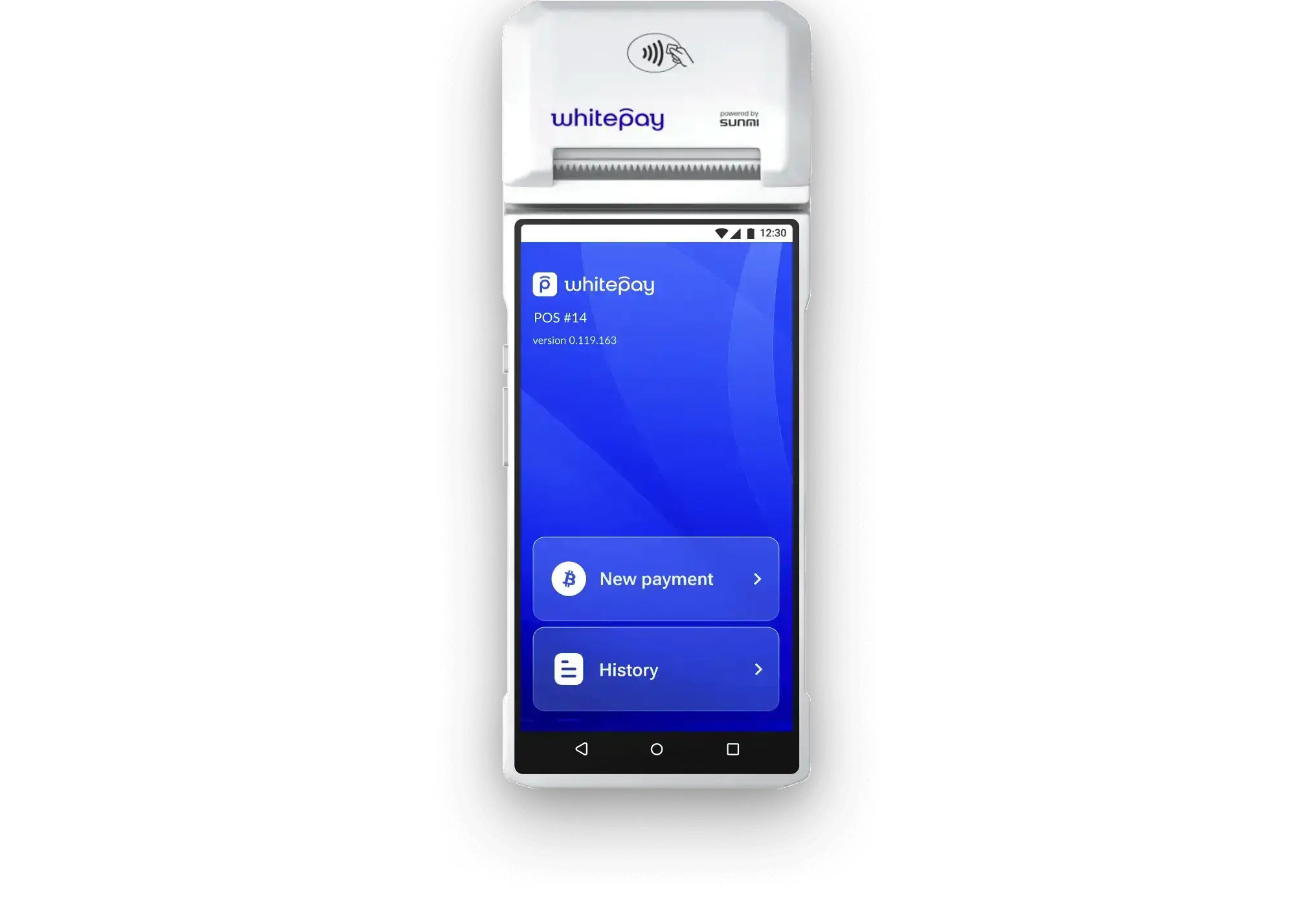
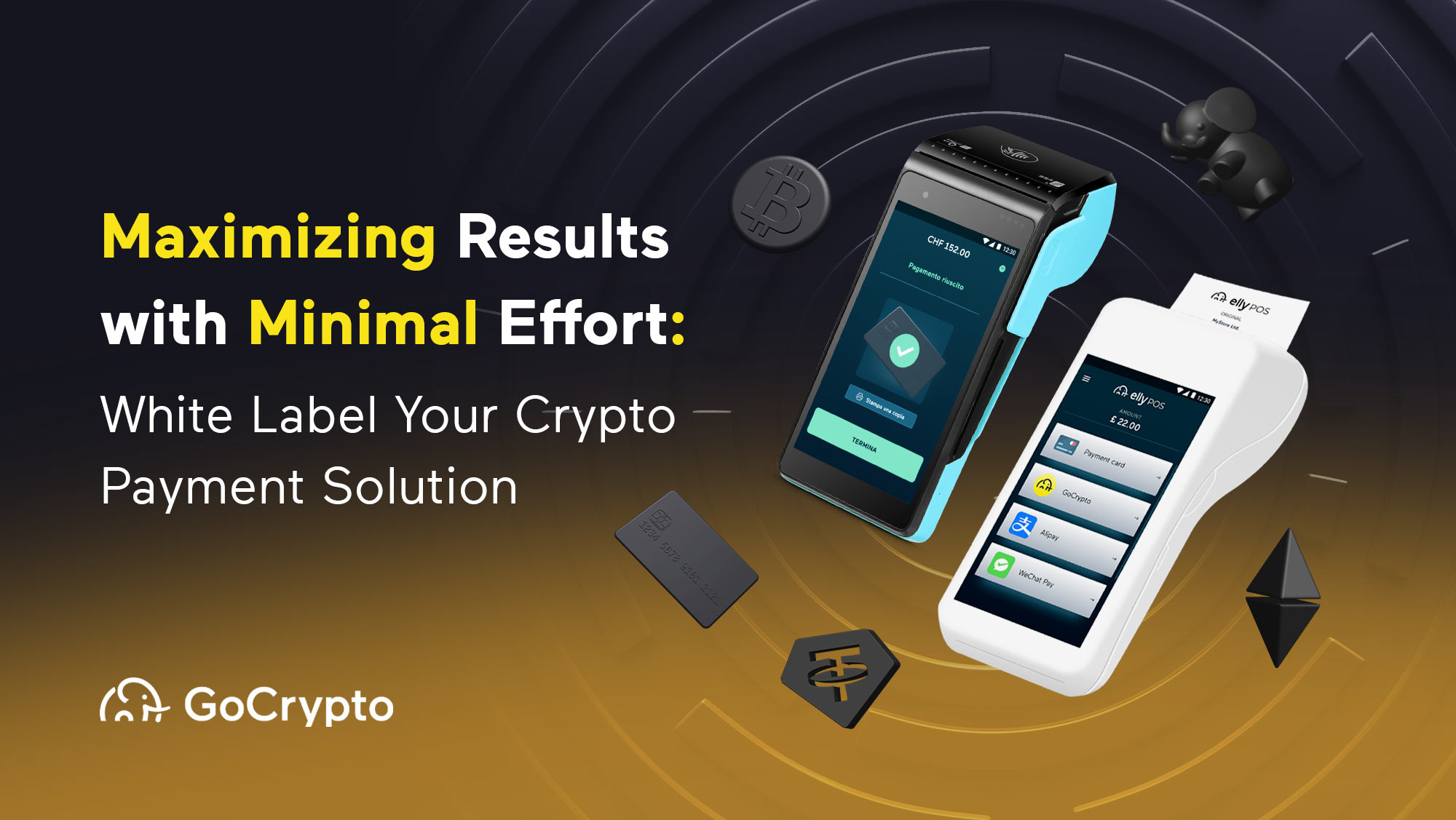
Today’s leading systems integrate directly with existing payment processors, allowing a single terminal to handle both traditional card transactions and cryptocurrency. This hybrid approach reduces hardware costs and simplifies reconciliation. For the average retailer, the decision is less about which blockchain to support and more about which processor offers the most reliable settlement speed and lowest fees.
While Solana continues to gain traction due to its low transaction costs and high throughput, most mainstream crypto POS integrations still prioritize Bitcoin and Ethereum for their liquidity and recognition. The choice of which cryptocurrencies to accept should align with your customer base rather than speculative trends. The infrastructure is now robust enough to handle high-volume retail environments without the latency issues that plagued early adopters.
The key differentiator in 2026 is regulatory compliance. Systems that automatically generate tax-ready reports and adhere to local financial regulations are becoming the default. Merchants who fail to adopt these compliant solutions risk facing higher processing fees or even loss of merchant accounts. Therefore, selecting a crypto POS provider now requires a focus on their legal infrastructure as much as their technical capabilities.
Crypto pos 2026 choices that change the plan
Choosing a crypto POS system in 2026 requires balancing speed, cost, and compliance. Merchants must decide whether to hold digital assets or convert them instantly to fiat. This decision impacts everything from accounting complexity to customer experience. The following comparison breaks down the primary tradeoffs to help you select the right infrastructure for your business model.
| Feature | Instant Fiat Conversion | Hold Crypto Assets | Stablecoin Processing |
|---|---|---|---|
| Volatility Risk | None (settles in local currency) | High (exposed to market swings) | Low (pegged to fiat value) |
| Transaction Fees | Typically 1-3% + network fees | Lower network fees only | Low network fees + minimal spread |
| Accounting Complexity | Standard (matches traditional bookkeeping) | High (requires tracking asset value changes) | Medium (stable value but distinct asset class) |
| Adoption Appeal | Broad (appeals to all customers) | Niche (appeals to crypto-native buyers) | Growing (appeals to price-sensitive crypto users) |
When to Choose Instant Fiat Conversion
Instant fiat settlement is the safest option for most traditional retailers. It eliminates volatility risk entirely, allowing you to operate as if you were accepting credit cards. Your accounting remains straightforward, and you avoid the need for crypto custody solutions. However, this convenience often comes with higher processing fees compared to direct settlement. If your margin is thin or your customer base is not crypto-savvy, this is the standard choice.
When to Hold Crypto Assets
Holding crypto assets appeals to merchants who view digital currency as an investment. By retaining Bitcoin or Ethereum, you can potentially benefit from appreciation, though you also bear the risk of depreciation. This approach requires robust security measures, such as hardware wallets or multi-signature setups. It is best suited for tech-forward businesses or those with existing crypto treasury strategies. The accounting burden is significant, requiring real-time valuation tracking.
When to Use Stablecoins
Stablecoins offer a middle ground, providing the speed of crypto with the price stability of fiat. They are ideal for businesses that want to minimize volatility risk without relying on third-party fiat conversion services. Transaction fees are typically lower than traditional payment processors, especially for cross-border sales. However, regulatory scrutiny around stablecoins is increasing, so ensure your provider complies with local financial regulations.
Choose the next step
2026 guide: Integrating Crypto POS Systems for Seamless Retail Payments works best as a clear sequence: define the constraint, compare the realistic options, test the tradeoff, and choose the path with the fewest hidden costs. That order keeps the advice usable instead of decorative. After each step, pause long enough to check whether the recommendation still fits the reader's actual situation. If it depends on perfect timing, unusual access, or a best-case budget, include a simpler fallback.
Spotting Weak Crypto POS Options
Not every crypto payment processor delivers the stability your retail operations need. Many providers market "seamless" integration while hiding high conversion fees or delayed settlement times. To avoid operational friction, you must verify the actual cost structure and technical reliability before signing a contract.
Start by checking the fee schedule. Some systems charge per-transaction fees on top of network gas costs, which erodes margins on small purchases. Others offer instant fiat conversion but deduct a premium spread from the exchange rate. Compare these hidden costs against the advertised zero-fee claims. A transparent provider will list all deductions clearly in their terms of service.
Next, evaluate the settlement speed. If your business relies on daily cash flow, a system that holds funds for 24-48 hours during volatility can cause serious liquidity issues. Look for providers that offer real-time settlement options or stablecoin routing to minimize exposure. Test the system with small transactions first to ensure the API responds quickly and accurately during peak hours.
Finally, assess the customer experience. A clunky checkout flow increases cart abandonment. Ensure the POS interface is intuitive for both staff and customers. Check if the system supports common wallets and mobile payments without requiring complex QR code scanning. A smooth, fast payment process is essential for encouraging repeat crypto transactions in a retail setting.
Crypto pos 2026: what to check next
Retailers adopting crypto point-of-sale systems in 2026 are navigating a shift toward instant fiat conversion to avoid market volatility. While Bitcoin and Ethereum remain standard, newer networks like Solana are gaining traction due to lower fees and faster settlement times.
What crypto is expected to explode in 2026?
Solana is widely expected to see significant growth in 2026, driven by its high transaction volume and the upcoming Alpenglow consensus upgrade. Merchants are increasingly supporting it alongside Bitcoin and Ethereum for its speed and cost-efficiency.
Do I have to hold crypto when using a POS system?
No. Most modern crypto POS terminals, such as those from BitPay or Inqud, offer instant settlement. The system converts the customer’s digital payment into fiat currency immediately, protecting your business from price swings.
How do crypto POS systems work in-store?
Customers scan a QR code on your terminal or display their wallet app. The payment is verified on the blockchain, and the funds are either settled in your local currency or deposited into your crypto wallet, depending on your gateway settings.
Are crypto payments cheaper than credit cards?
Yes. Transaction fees for crypto payments are typically lower than the 2-3% charged by traditional credit card processors. This makes crypto POS systems particularly attractive for high-volume or low-margin retail environments.
No comments yet. Be the first to share your thoughts!