
How 2026 POS terminals handle volatility
The primary barrier to crypto adoption in retail has never been the lack of customers—it is the merchant's exposure to price swings. In 2026, modern point of sale systems have largely abandoned the model of holding digital assets. Instead, they prioritize instant conversion, ensuring that the revenue generated from a transaction lands in the merchant's bank account in stable fiat currency.
This shift fundamentally changes the risk profile for retailers. By routing payments through a gateway that immediately settles in dollars, euros, or pounds, businesses eliminate the need to manage crypto wallets, monitor exchange rates, or worry about overnight market crashes. The technology acts as a buffer, allowing a store to accept Bitcoin or Ethereum at checkout without ever truly holding them.
The operational difference is stark. Older systems required manual intervention or left funds exposed in volatile ledgers. Today's integrated terminals handle the complexity automatically. As noted by industry providers like BitPay, the goal is to accept crypto without the administrative burden of managing addresses or creating wallets. This automation turns a speculative asset into a reliable payment method.
For the merchant, this means the volatility of the underlying blockchain becomes irrelevant to their daily operations. The transaction clears, the value is locked in at the exchange rate at the moment of sale, and the business receives its funds. This stability is what makes crypto viable for small businesses that cannot absorb the financial risk of a 10% drop in asset value between the swipe and the settlement.
Top crypto payment gateways for retail
Choosing the right crypto payment gateway determines whether digital currency becomes a seamless revenue stream or a technical headache. The landscape in 2026 favors providers that combine instant settlement with robust fiat conversion, ensuring merchants don't hold volatile assets overnight. Below is a side-by-side comparison of the leading platforms to help you match features with your operational needs.
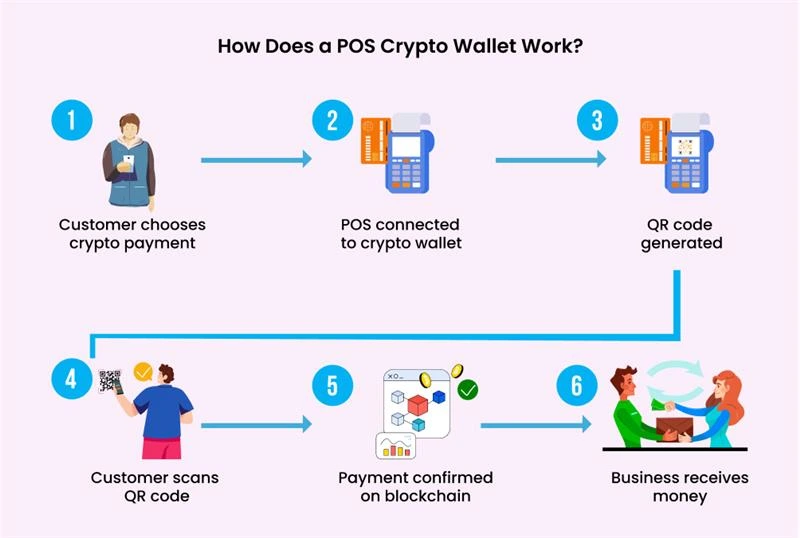
| Provider | Merchant Fee | Settlement | Key Coins |
|---|---|---|---|
| BitPay | 1% | Instant Fiat | BTC, ETH, USDC, USDT |
| NOWPayments | 0.5% | 1-5 Minutes | 100+ Crypto Assets |
| CoinGate | 0.9% | Instant Fiat | BTC, ETH, LTC, XMR |
| Coinbase Commerce | 1% | Instant Fiat | BTC, ETH, LTC, BCH |
| BTCPay Server | 0% (Network Only) | On-Chain | All Open Source Coins |
BitPay remains the default for established retailers due to its reliability and instant fiat conversion, though its 1% fee is on the higher end. NOWPayments offers the lowest fees and widest coin support, making it ideal for diverse or smaller operations willing to manage slight settlement delays. CoinGate strikes a balance with competitive rates and strong privacy features, including Monero support. Coinbase Commerce integrates natively with the Coinbase ecosystem, appealing to merchants already familiar with that interface. BTCPay Server is the choice for those prioritizing sovereignty and zero platform fees, accepting only standard blockchain network costs.
Stablecoin payments for retail checkout
The friction of traditional credit card processing often outweighs the complexity of crypto adoption. By integrating stablecoins like USDC and the Lightning Network, retailers can bypass the 1.5% to 3.5% interchange fees that eat into margins. These digital assets settle on-chain or via layer-2 networks, moving money directly from customer to business without an intermediary bank holding funds in reserve. This direct transfer model reduces settlement time from days to seconds, improving cash flow for small businesses.
USDC provides price stability that volatile cryptocurrencies cannot. Its value is pegged 1:1 to the US dollar, meaning a retailer accepting USDC does not face the risk of holding an asset that could drop 10% in value before they can convert it to fiat. This stability is critical for retail environments where margins are tight and predictability matters. The integrity of this peg is easily monitored through live market data.
For transactions under $100, the Lightning Network offers a distinct advantage. Built on Bitcoin, it allows for near-instant settlements with fees that are fractions of a cent. This makes crypto viable for low-ticket retail items, such as coffee or groceries, where traditional card fees would exceed the profit margin. The combination of stablecoin value preservation and Lightning’s micro-transaction efficiency creates a checkout experience that is both faster and cheaper for the merchant.
This approach shifts the power dynamic in retail. Instead of relying on third-party processors that dictate terms and hold funds, businesses gain direct access to global liquidity. As AI-driven POS systems evolve, they will likely prioritize these low-cost rails to maximize net revenue, making stablecoin and Lightning integration a standard for forward-thinking retailers.
Integrating Crypto POS into Existing Workflows
Adding a crypto point of sale system to your current setup no longer requires a complete infrastructure overhaul. Modern providers offer no-code solutions that allow you to accept stablecoin payments and Bitcoin without holding the assets or managing private keys. You can turn your existing phone, tablet, or computer into a terminal, fitting crypto directly into your daily sales rhythm.
The primary barrier to entry has shifted from technical complexity to hardware compatibility. Before purchasing new terminals, verify that your current devices support the necessary web-based or native apps from major processors like BitPay. This approach lets you test the integration with minimal risk, ensuring the software syncs smoothly with your existing inventory and accounting tools.
This modular approach means you can start with a single register and expand as adoption grows. By avoiding the need to create new wallets or manage addresses, you reduce the operational load on your staff, allowing them to focus on customer service rather than blockchain mechanics.
Frequently asked questions about crypto POS
Which crypto will perform well in 2026?
Institutional finance and AI development are expanding, creating reliable tailwinds for the crypto sector. As secure data ledgers become more popular, specific assets are positioned to lead. Render and Chainlink are widely considered top picks for 2026 due to their utility in these growing sectors. For real-time pricing context on these assets, see the Bitcoin chart below to understand broader market movements.
How do AI settlements improve crypto POS performance?
AI-driven settlements reduce the friction of traditional blockchain confirmation times. By analyzing transaction patterns in real-time, AI can optimize routing and reduce gas fees, making crypto payments as fast as credit card swipes. This efficiency is critical for high-volume retail environments where speed determines customer satisfaction.
Is stablecoin adoption growing for small businesses?
Yes. Stablecoins like USDC and USDT are gaining traction because they eliminate the volatility risk associated with Bitcoin or Ethereum. Merchants can accept payments in dollars without worrying about overnight price swings, making stablecoins the most practical choice for daily operations. This stability is driving faster adoption among small businesses looking to enter the crypto space.
No comments yet. Be the first to share your thoughts!