
The 2026 shift: stablecoins and AI in crypto POS
The 2026 crypto POS landscape has moved beyond Bitcoin speculation to focus on stablecoin (USDC) settlement and AI-driven fraud prevention. Businesses are no longer interested in new payment methods as experiments; they are normalizing crypto transactions as a core utility. This shift is driven by the need for predictable settlement costs and automated risk management.
Stablecoins like USDC have become the primary vehicle for merchant settlement. Unlike volatile cryptocurrencies, stablecoins offer a predictable value anchor, reducing the risk of price swings during the transaction window. This predictability is essential for businesses that operate on thin margins and cannot absorb sudden asset depreciation.
AI-driven fraud prevention has become equally critical. As crypto payments become more mainstream, so do sophisticated fraud attempts. AI systems analyze transaction patterns in real-time, flagging suspicious activity before it impacts the merchant. This technology provides a layer of security that traditional card networks struggle to match, especially in cross-border transactions.
The combination of stablecoin settlement and AI fraud detection creates a robust framework for crypto POS systems. Merchants can now accept crypto payments with the same confidence they have for traditional card payments, but with faster settlement times and lower fees. This evolution marks a significant departure from the early days of crypto adoption, where speculation dominated the narrative.
Top crypto POS platforms compared
Selecting the right crypto POS system requires balancing fee structures, supported assets, and settlement speeds. For merchants processing stablecoin and Lightning payments, the choice between platforms like BitPay and CoinsPaid often hinges on integration complexity and fiat conversion efficiency. The following comparison outlines the core mechanics of leading providers to help you assess risk and operational fit.
| Provider | Key Assets | Fee Structure | Settlement Speed |
|---|---|---|---|
| BitPay | BTC, ETH, USDC, USDT | 1% per transaction | Instant fiat conversion |
| CoinsPaid | BTC, ETH, USDC, LTC | 0.9% - 1.5% | T+1 or instant |
| Coinbase Commerce | BTC, ETH, USDC, DOGE | 1% per transaction | Instant to wallet |
| BTCPay Server | BTC, Lightning, ERC-20 | 0% platform fee | Direct to self-custody |
BitPay remains a dominant choice for merchants prioritizing instant fiat conversion. Its primary value proposition is the elimination of crypto volatility risk at the point of sale, automatically converting stablecoins like USDC into local currency. This feature is critical for high-volume retailers who cannot absorb market fluctuations. However, the 1% fee is standard, and the platform requires a centralized account, which introduces counterparty risk compared to non-custodial alternatives.
CoinsPaid offers a more flexible fee structure, often ranging from 0.9% to 1.5% depending on transaction volume. It supports a broader array of assets, including Litecoin and various ERC-20 tokens, making it suitable for businesses with diverse customer bases. Settlement options include both instant fiat conversion and direct crypto transfers, allowing merchants to choose between liquidity and self-custody based on their cash flow needs.
For merchants seeking full control, BTCPay Server provides a self-hosted, non-custodial solution with zero platform fees. It is the preferred option for those who want to accept Bitcoin and Lightning Network payments without handing over keys to a third party. While it requires technical expertise to set up and maintain, it eliminates transaction fees and offers the highest level of financial sovereignty. This makes it ideal for privacy-focused businesses or those with significant technical resources.
Coinbase Commerce sits between these extremes, offering a hosted solution with instant settlement to a Coinbase wallet. It supports a wide range of assets, including Dogecoin, which can attract specific customer segments. The 1% fee is competitive, but the requirement to hold funds in a Coinbase wallet means merchants must trust the exchange’s security and regulatory compliance. This is a moderate-risk option for businesses already using Coinbase for treasury management.
The decision ultimately depends on your risk tolerance and operational needs. If instant fiat conversion is non-negotiable, BitPay or CoinsPaid are the strongest candidates. If you prioritize cost reduction and self-custody, BTCPay Server is the superior choice, despite the higher technical barrier. Evaluate your transaction volume and technical capacity before committing to a platform.
Integrating Lightning for instant settlement
On-chain Bitcoin transactions are fundamentally misaligned with the velocity of retail trade. A standard Layer 1 block confirmation can take ten to sixty minutes, during which time the merchant is exposed to price volatility and the customer faces friction. For a coffee shop or a grocery checkout, this latency is a dealbreaker. The Lightning Network solves this by moving settlement off-chain, allowing transactions to clear in milliseconds. This shifts the use case from long-term holding to immediate commerce.
The economic advantage is equally stark. On-chain fees fluctuate with network congestion, often spiking to dollars per transaction during peak hours. Lightning fees are a fraction of a cent, making microtransactions viable. Without this layer, the transaction cost can exceed the profit margin on low-value items. This efficiency is what allows crypto POS systems to function as practical alternatives to credit cards.
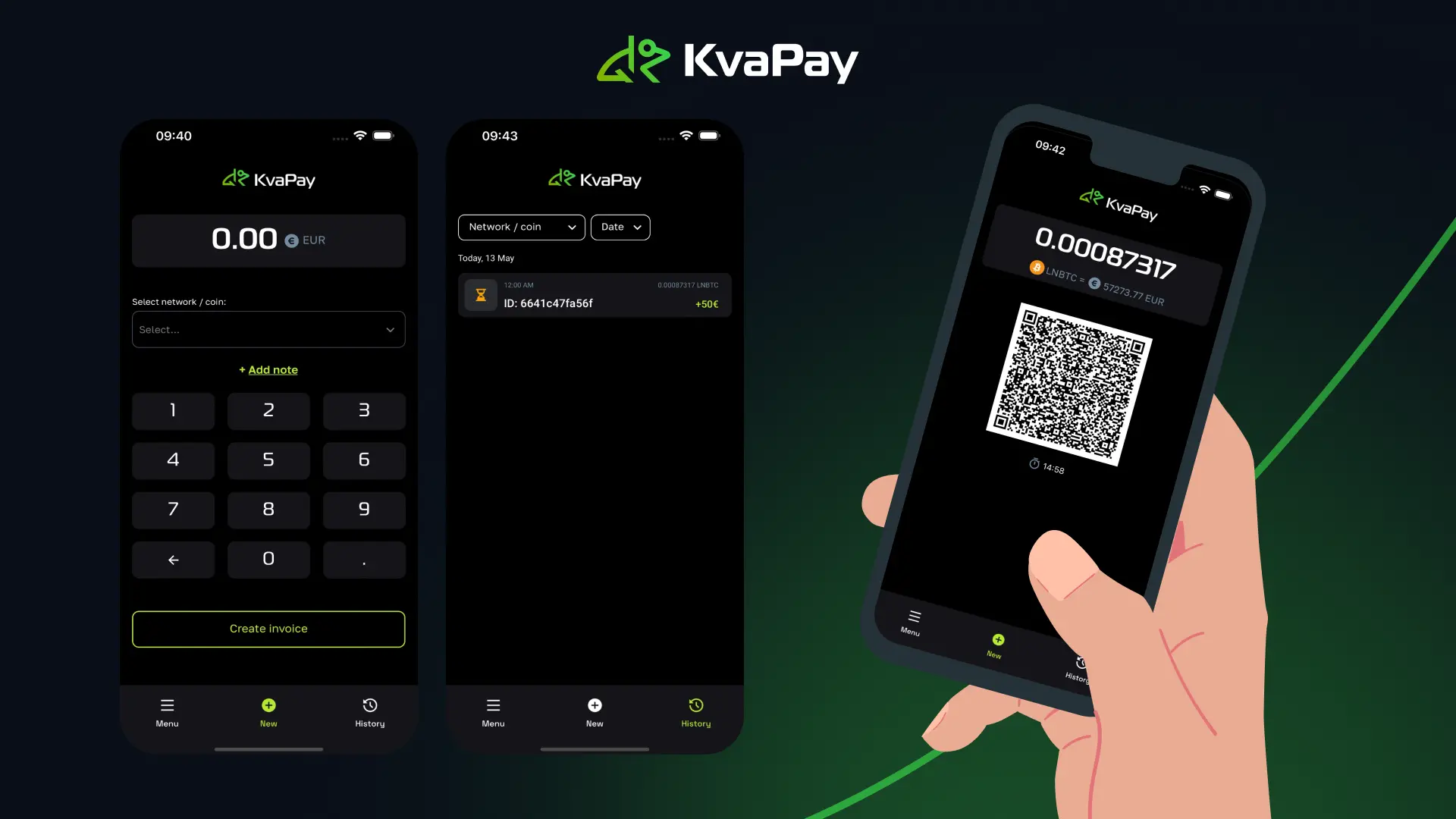
Stablecoins offer a different tradeoff. While they eliminate Bitcoin’s volatility, most stablecoin settlements occur on Layer 1 networks like Ethereum or Tron. These chains also suffer from latency and variable gas fees. Integrating Lightning alongside stablecoin wallets provides a dual-layer approach: Lightning for rapid, low-cost Bitcoin settlements, and stablecoins for price stability without the Layer 1 bottleneck. This hybrid architecture ensures that merchants are not locked into a single settlement path.
AI fraud detection and compliance
The integration of AI-driven analytics into crypto POS systems addresses two of the most persistent risks in digital finance: chargeback fraud and anti-money laundering (AML) violations. Unlike traditional credit card processing, cryptocurrency transactions are irreversible, yet many modern terminals now employ AI to analyze transaction patterns in real-time, flagging suspicious activity before settlement.
These systems monitor for anomalies such as rapid-fire micro-transactions, IP geolocation mismatches, or known high-risk wallet addresses. By applying machine learning models trained on global transaction data, merchants can automate compliance checks without slowing down the checkout experience. This is particularly critical for high-volume retailers where manual review is impossible.
Regulatory adherence is no longer optional for crypto merchants. Platforms like Coinspaid explicitly market their terminals as fully AML compliant, leveraging backend AI to screen transactions against sanctions lists and monitor for structuring or layering behaviors common in money laundering. This automated layer ensures that businesses accepting stablecoins or Lightning Network payments remain within legal boundaries while maintaining the speed that crypto offers.
The shift toward AI-centric compliance transforms security from a reactive measure into a proactive shield. Merchants are no longer just processing payments; they are actively filtering risk through intelligent, real-time decision engines that adapt to emerging fraud tactics.
Choosing the right system for your business
Selecting a crypto POS requires matching transaction characteristics to system capabilities. High-volume, low-ticket payments demand Lightning Network integration to minimize fees and latency. Low-volume, high-ticket sales benefit from stablecoin settlement to avoid volatility risk during processing windows.
Transaction Volume and Fee Structure
Bitcoin’s base layer remains expensive for microtransactions. A single on-chain fee can exceed the value of a $2 coffee. For businesses processing hundreds of daily transactions, Lightning Network support is not optional; it is a cost control mechanism. Systems lacking Lightning routing will erode margins through network fees and settlement delays.
Average Ticket Size and Settlement
Stablecoins like USDC offer price stability but introduce counterparty risk. Merchants must evaluate whether their average ticket size justifies the complexity of managing stablecoin wallets versus automatic fiat conversion. High-value sales may tolerate longer confirmation times if the primary risk is price volatility rather than fee accumulation.
Technical Integration Capabilities
API robustness determines operational scalability. Legacy systems often require custom middleware to handle crypto payments, increasing maintenance overhead. Modern POS platforms offer native SDKs that streamline integration. Evaluate whether your current tech stack can support the required blockchain interactions without significant development effort.
Common questions about crypto POS
Integrating a crypto POS system is technically complex, requiring hardware selection and software development to ensure wallet compatibility. Businesses must plan infrastructure carefully to support stablecoin and Lightning Network transactions without disrupting existing point-of-sale workflows.
Settlement risk remains a primary concern. While stablecoins mitigate volatility, network congestion or smart contract failures can delay finality. Merchants must understand the settlement layer’s reliability to avoid holding exposure during peak trading hours.
Tax implications vary by jurisdiction. In many regions, accepting crypto is treated as a property transaction, triggering capital gains events on every sale. Accounting systems must track cost basis and fair market value at the moment of transaction to remain compliant with official tax guidance.
No comments yet. Be the first to share your thoughts!