
Choose a stablecoin-focused payment gateway
Selecting the right processor is the foundation of a stable crypto POS 2026 setup. In 2026, stability matters more than speculative gains. You need a gateway that settles in USDC or USDT, supports Lightning Network for instant low-cost transactions, and keeps fees predictable. Avoid processors that auto-convert sales into volatile assets like Bitcoin or Ethereum unless you explicitly want that exposure.
Focus on three criteria: fee transparency, stablecoin support, and settlement speed. A good crypto POS 2026 gateway should offer near-zero fees for Lightning payments and standard card-equivalent rates for on-chain transactions. Look for providers that let you hold funds in stablecoins without forced conversion.
The table below compares top options available in 2026 based on official documentation and industry benchmarks.
BitPay remains a popular choice for merchants who want simplicity. It supports USDC and USDT with Lightning Network integration, allowing fast, cheap transactions. Settlement goes directly to your bank account, but fees sit at 1%. Coinbase Commerce offers a developer-friendly API and supports USDC and DAI. It lacks Lightning support, which means slower on-chain settlements unless you use Layer 2 solutions. BTCPay Server is the open-source option for those who want full control. It has no platform fees, supports Lightning, and lets you configure any stablecoin. However, it requires technical setup and maintenance. CoinGate provides a broad range of stablecoins and Lightning support with competitive fees starting at 0.5%. Settlement takes 1-3 days, which may not suit high-volume merchants.
When comparing these options, prioritize Lightning support if you expect high transaction volume. On-chain Bitcoin and Ethereum transactions can take minutes or hours and incur variable fees. Lightning enables near-instant settlements for pennies. If you lack technical resources, BitPay or CoinGate offer managed solutions. If you want sovereignty and lower costs, BTCPay Server is worth the setup effort.
Avoid gateways that obscure conversion rates or charge hidden FX fees. Always verify that the stablecoin you accept is issued by a regulated entity and maintains a 1:1 peg with the US dollar. Check the provider’s official documentation for the latest fee schedule and supported networks before signing up.
Configure hardware and software for USDC
Setting up a crypto POS 2026 system for USDC requires bridging physical terminals with digital wallets. The goal is to accept stablecoin payments that settle instantly, avoiding the volatility and delay of legacy crypto rails. By integrating Lightning Network capabilities, you ensure transactions are fast and cheap, which is essential for retail environments.
Select compatible hardware
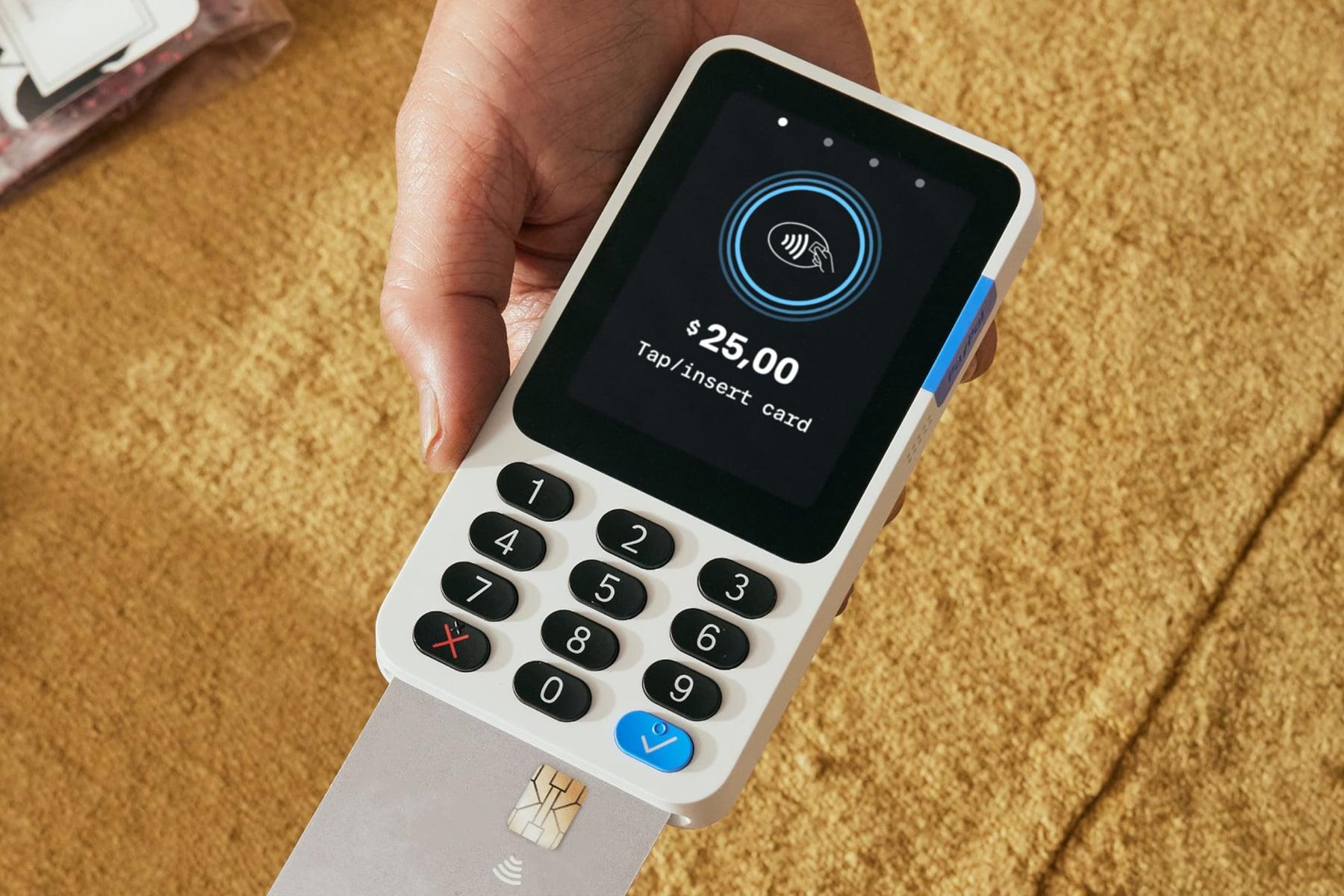
Your terminal must support both traditional card readers and crypto wallets. Look for devices with NFC capabilities for tap-to-pay and QR code scanners for wallet addresses. Many modern POS systems now offer dual-mode functionality, allowing you to accept USDC alongside fiat without switching devices. Ensure the hardware is certified for your region’s financial regulations.
Begin by physically connecting your POS terminal to your network. Most modern devices use Wi-Fi or Ethernet for stable connectivity. Power on the device and run the initial diagnostic check to ensure all sensors, including the NFC antenna and QR scanner, are responding correctly. This foundational step prevents connection timeouts during live transactions.
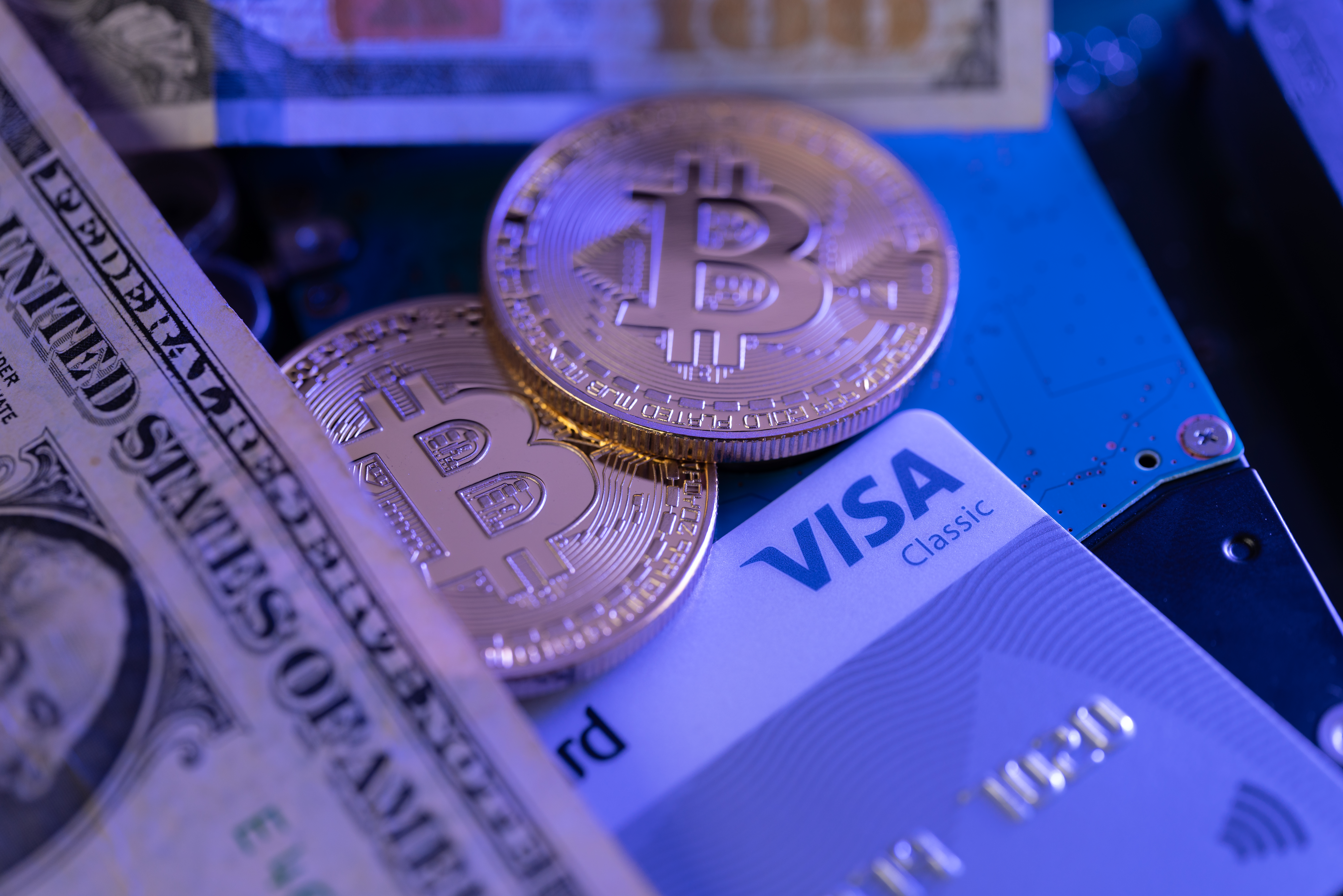
Install the specific wallet integration module provided by your POS software vendor. This software acts as the bridge between your physical terminal and the blockchain. Configure the wallet to hold USDC (ERC-20 or Lightning Network compatible, depending on your strategy). Ensure the private keys are stored securely within the device’s secure element, not in plain text.

Enable Lightning Network support in your software settings. This is critical for USDC payments in 2026, as it allows for near-instant settlement and minimal fees. Configure your channel liquidity to ensure you can receive payments immediately. Test the Lightning node connection to verify that your terminal can open and close payment channels without manual intervention.
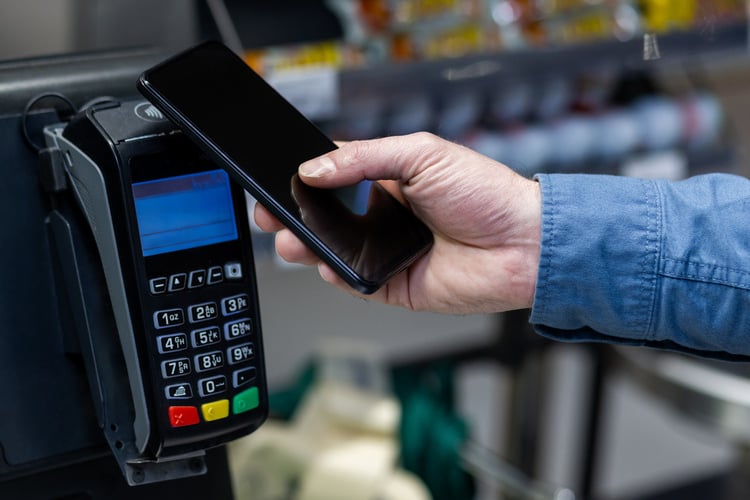
Perform a test transaction using a small amount of USDC from a personal wallet. Scan the QR code displayed on your POS terminal or use the NFC tap feature if supported. Verify that the payment appears in your merchant dashboard within seconds. Check that the receipt is generated correctly and that the funds are available for withdrawal or conversion to fiat.
Finalize security protocols
Once the hardware and software are linked, secure the integration. Enable two-factor authentication for your merchant dashboard and set transaction limits to prevent fraud. Regularly update the POS firmware to patch any security vulnerabilities. This configuration ensures your crypto POS 2026 setup remains robust against emerging threats while maintaining a seamless checkout experience for customers.
Settle funds to fiat or hold stablecoins
After a customer pays with USDC or another stablecoin, you face a choice: convert the funds into your bank’s fiat currency or keep them in crypto. This decision shapes your cash flow, risk exposure, and tax obligations. In 2026, the trend is shifting toward immediate settlement for most small businesses, but holding stablecoins remains an option for those seeking yield or operating in multi-currency environments.
Converting to fiat
Most merchants prefer to settle directly to their bank account in USD, EUR, or GBP. This approach eliminates cryptocurrency volatility risk entirely and aligns with traditional accounting practices. Your payment processor handles the conversion automatically, crediting your bank account within one to two business days.
Immediate settlement simplifies tax reporting. Since every transaction is recorded as fiat income, you avoid the complexity of tracking crypto basis and capital gains on each sale. This is the standard path for brick-and-mortar retail, restaurants, and service providers who need predictable cash flow to pay suppliers and staff.
Holding stablecoins
Some businesses choose to hold stablecoins like USDC in a corporate wallet. This strategy can be useful for businesses with international suppliers who prefer crypto payments, or for those looking to earn yield through regulated DeFi protocols or staking.
However, holding stablecoins introduces operational and regulatory considerations. You must manage private keys securely, which requires robust cybersecurity measures. Additionally, tax authorities in many jurisdictions still treat stablecoin holdings as property, meaning you may face tax implications if the stablecoin de-pegs or if you swap it for another asset later.
Choosing the right path
Your settlement preference should match your business model. If you need steady, predictable income and want to minimize administrative burden, settle to fiat. If you operate in a crypto-native ecosystem or have specific treasury management needs, holding stablecoins may offer flexibility.
Most crypto POS providers in 2026 support both options, often allowing you to split settlements—sending a portion to fiat and keeping the rest in crypto. This hybrid approach lets you balance stability with exposure to crypto-specific opportunities.
Test transactions before going live
Before accepting real money, you must verify that your crypto POS 2026 setup processes stablecoin payments correctly. This verification phase catches configuration errors, network latency issues, and settlement delays that could disrupt your business operations.
Run a series of test transactions using small, non-refundable amounts. Start with a single coin on your primary supported network, then expand to others. Confirm that the payment appears in your dashboard within the expected timeframe and that the correct amount settles in your wallet.
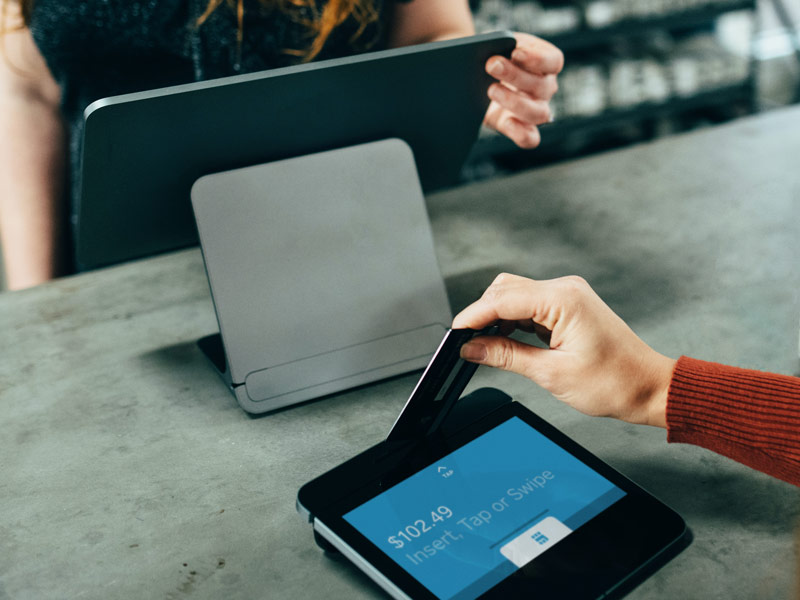
Use the following checklist to ensure every part of the payment flow functions as intended:
- Verify that the POS interface correctly displays the stablecoin amount and network fee.
- Confirm that the customer’s wallet successfully signs and broadcasts the transaction.
- Check that the merchant dashboard updates the order status to “Paid” automatically.
- Test the refund process to ensure funds return to the customer’s wallet correctly.
- Validate that receipts are generated and sent to the customer via email or SMS.
- Ensure that your accounting software syncs the transaction data without manual entry.
These steps prevent costly errors and ensure a smooth experience for your customers when you launch.
Frequently asked questions about stablecoin POS 2026
Merchants integrating a crypto POS 2026 setup often worry about volatility, regulatory compliance, and transaction costs. These questions address the practical concerns that matter most to business owners.
No comments yet. Be the first to share your thoughts!