
Why crypto POS systems matter in 2026
In 2026, accepting cryptocurrency is a strategic move to protect margins and capture new revenue streams. Traditional payment processors charge an average of 2% to 3% per transaction, a cost that eats directly into net profit. Crypto POS systems, by contrast, often settle transactions for less than 1%, allowing retailers to keep more of their hard-earned revenue.
Beyond lower fees, these systems open doors to customer segments that traditional banking misses. Crypto users often spend more than average cardholders and value the privacy and speed of digital asset transactions. By integrating solutions like BitPay, NOWPayments, or CoinGate, businesses act as a bridge between legacy finance and the digital economy.
Top crypto POS terminals and gateways
Choosing the right infrastructure depends on whether you need a physical terminal for in-person card-and-crypto swipes or a software gateway to handle online and hybrid transactions. The market has shifted from experimental setups to robust, enterprise-grade solutions that settle in fiat to protect your margins.
BitPay
BitPay remains the industry standard for merchants who want to accept crypto without ever touching the digital asset. The system works as a gateway that converts payments to USD, EUR, or GBP instantly, shielding your business from market volatility. Their retail offering includes dedicated hardware terminals that integrate with existing point-of-sale systems, making the transition seamless for brick-and-mortar stores.
BitPay supports major coins like Bitcoin, Ethereum, and USDC. The fee structure is competitive, typically charging a flat percentage per transaction that is often lower than traditional credit card processing. For high-volume retailers, BitPay offers API access for custom integrations and dedicated account management to handle complex settlement needs.
NOWPayments
NOWPayments is a strong alternative for businesses that prioritize flexibility and a wider array of supported assets. Unlike some competitors that limit you to a handful of coins, NOWPayments supports hundreds of cryptocurrencies, including many altcoins and stablecoins. This makes it ideal for niche retail environments or businesses targeting crypto-native customers who hold diverse portfolios.
The platform operates on a non-custodial model for many integrations, meaning you can choose to hold the crypto yourself if you prefer, though fiat settlement is also available. Their fee structure is transparent, with a standard rate that applies across most transactions. The software gateway is easy to integrate with e-commerce platforms like Shopify and WooCommerce, and they offer a dedicated POS app for mobile and tablet-based checkout.
CoinGate
CoinGate bridges the gap between software gateways and hardware terminals with a versatile platform that serves both online and physical retailers. The company provides a comprehensive suite of tools, including a POS terminal that can be used in-store, a payment gateway for websites, and tools for mass payments. This all-in-one approach is beneficial for omnichannel retailers who need a unified system.
CoinGate supports over 70 cryptocurrencies and offers fiat settlement in multiple currencies. Their fee structure is straightforward, with a flat percentage fee per transaction. The platform also provides detailed analytics and reporting, helping merchants track sales and customer behavior across different payment methods. For businesses looking to expand into crypto without managing multiple vendors, CoinGate offers a consolidated solution.
Comparison of Key Providers
| Provider | Best For | Supported Coins | Settlement | Fee Structure |
|---|---|---|---|---|
| BitPay | Large retail, fiat stability | BTC, ETH, USDC, LTC | Instant Fiat | ~1% per transaction |
| NOWPayments | Altcoin diversity, flexibility | 700+ coins | Fiat or Crypto | ~0.5% per transaction |
| CoinGate | Omnichannel, all-in-one | 70+ coins | Fiat or Crypto | ~0.9% per transaction |
Crypto POS Hardware Options
For physical stores, the hardware is just as important as the software. You need terminals that are durable, fast, and capable of displaying QR codes for customer payments. Below are some of the most reliable crypto POS hardware terminals available for purchase.

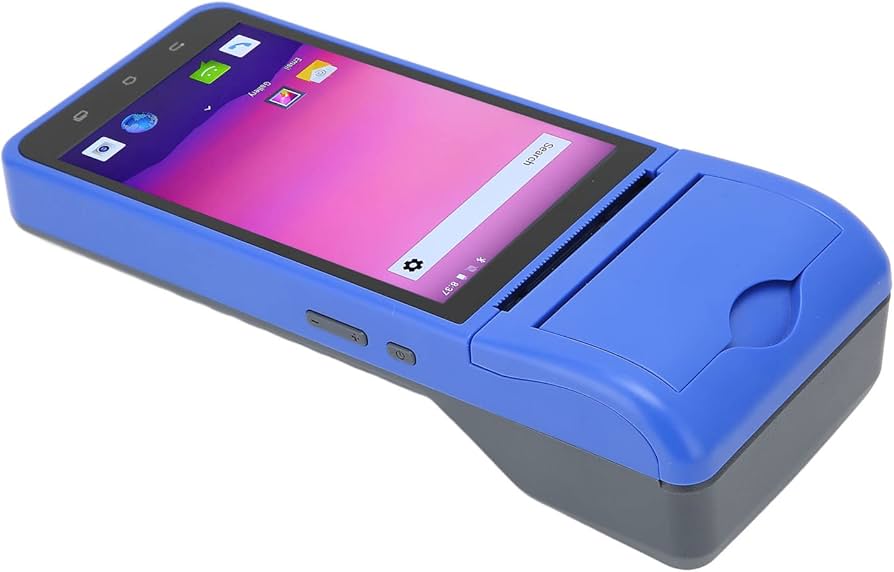
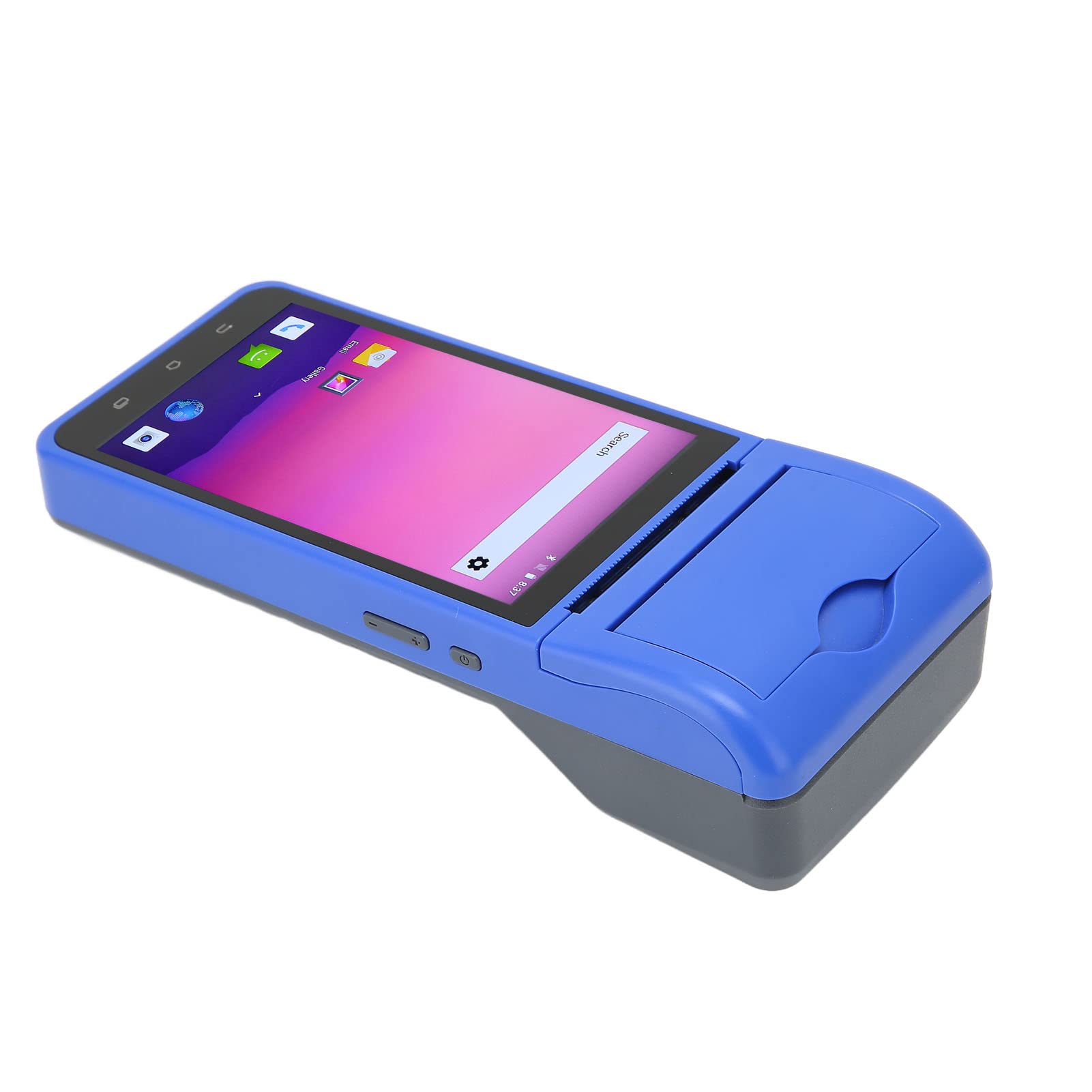
As an Amazon Associate, we may earn from qualifying purchases.
When selecting hardware, prioritize devices with robust connectivity options like Wi-Fi and 4G/LTE to ensure transactions go through even if your primary internet connection fails. Look for terminals with long battery life if you plan to use them for pop-up shops or mobile vendors. Security features like encrypted communication and secure element chips are essential to protect transaction data.
Key Takeaways
- BitPay is the top choice for established retailers who want instant fiat settlement and minimal volatility risk.
- NOWPayments offers the widest range of supported cryptocurrencies, ideal for businesses targeting diverse crypto holders.
- CoinGate provides a balanced solution with both software and hardware options for omnichannel merchants.
- Always verify the fee structure and settlement times with the provider, as these can vary based on transaction volume and currency.
Integrating crypto with existing POS hardware
You do not need to replace your current point-of-sale terminal to accept digital assets. Modern crypto payment gateways operate as middleware, connecting to your existing Square, Clover, or Lightspeed hardware through API integrations or back-office exports. This approach preserves your established workflow while adding a new revenue stream.
The integration process typically follows a logical sequence, moving from technical verification to live deployment. Follow these steps to connect your current infrastructure securely.

Before selecting a provider, confirm that your current POS hardware supports third-party API connections. Systems like Square and Clover have established developer ecosystems that allow services like BitPay or NOWPayments to push payment data directly into your sales logs. Check your POS provider’s developer documentation for supported webhook protocols.
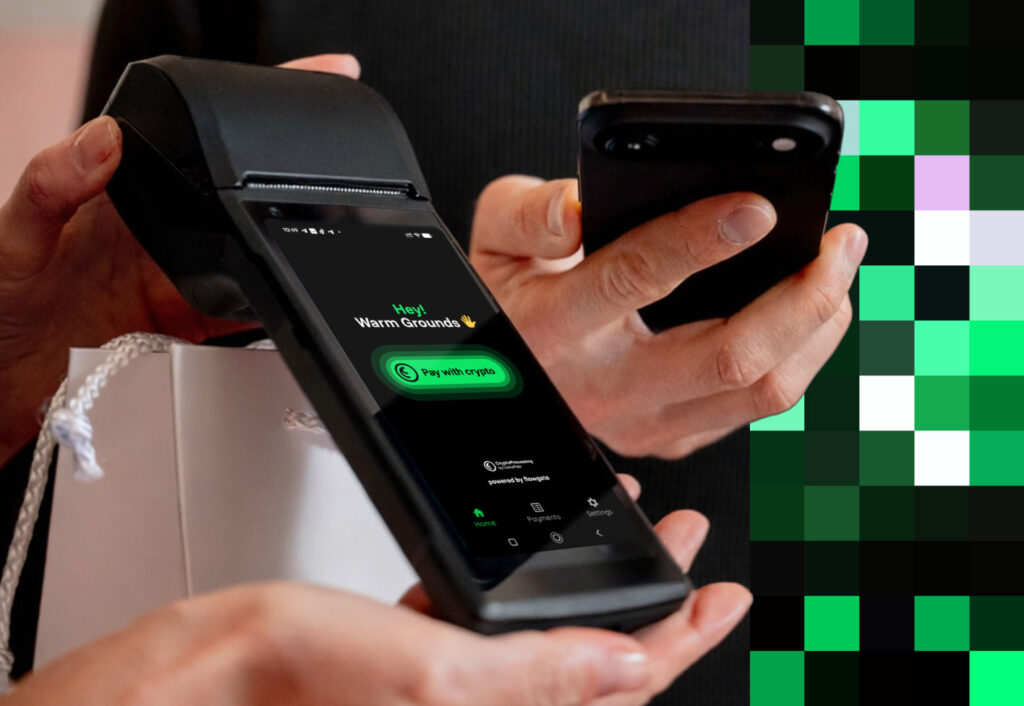
Choose a crypto payment processor that aligns with your operational needs. BitPay offers robust enterprise-grade stability for high-volume retailers, while NOWPayments provides broader altcoin support for diverse customer bases. Compare their fee structures and settlement times to ensure they meet your cash flow requirements.

Connect your POS account to the chosen gateway using the provided API keys. Most providers offer pre-built plugins for popular POS systems, simplifying the setup. Ensure that your system is configured to auto-convert crypto payments to fiat currency if you wish to avoid holding volatile digital assets on your balance sheet.

Run a series of low-value test transactions to verify that the payment confirmation triggers a successful receipt print and inventory update in your POS. Check that the customer receives the correct change and that your accounting software records the transaction accurately before going live.

Once testing is complete, enable crypto payments for your customers. Monitor the first few days of transactions closely to ensure stability. Most providers offer real-time dashboards to track settlement status and transaction volumes, allowing you to adjust settings as needed.
| Provider | Fee Structure | Settlement Time | POS Compatibility |
|---|---|---|---|
| BitPay | 1% | Instant to 24h | Square, Clover, Shopify |
| NOWPayments | 0.5% | Variable | Custom API, WooCommerce |
| CoinGate | 0.9% | Instant | Multiple POS via API |
Managing volatility and tax compliance
Crypto payments introduce two immediate operational hurdles: price volatility and complex tax reporting. Unlike credit card transactions that settle in fiat, cryptocurrency values can shift significantly between the moment a customer scans a QR code and the moment the merchant converts the asset. For retailers, this exposure can erase thin profit margins if the settlement process is not handled correctly.
BitPay addresses this volatility risk by offering instant fiat settlement. When a customer pays in Bitcoin or Ethereum, BitPay converts the transaction to USD, EUR, or GBP within seconds and deposits the funds directly into the merchant’s bank account. This mechanism effectively removes the need for the business to hold crypto assets, shielding them from market swings. BitPay’s retail solution is designed to integrate this conversion seamlessly into existing POS workflows, ensuring that revenue is recognized in stable currency regardless of the input asset. Learn more about BitPay’s retail features.
Beyond price stability, tax compliance remains a critical administrative burden. The IRS treats cryptocurrency as property, meaning every acceptance of crypto is a taxable event. Merchants must track the fair market value of each token at the exact time of receipt to calculate capital gains or losses accurately. This requirement complicates standard accounting practices, as businesses must now reconcile crypto inflows against fiat outflows.
To mitigate this, merchants should prioritize processors that provide detailed, automated reporting tools. NOWPayments and CoinGate offer transaction histories and API integrations that sync with accounting software like QuickBooks or Xero. These tools automate the calculation of cost basis and proceeds, reducing the manual effort required during tax season. By choosing a processor that handles the data aggregation, businesses can maintain clear audit trails without dedicating excessive internal resources to crypto-specific bookkeeping.
Frequently asked questions about crypto POS
How do I set up a crypto POS system?
Setting up a crypto point of sale system typically involves installing a dedicated terminal or integrating a payment gateway like BitPay with your existing retail software. Most providers, including NOWPayments and CoinGate, offer plug-and-play terminals that connect via Bluetooth or USB to standard card readers. The process usually requires creating a merchant account, verifying your business identity, and configuring which cryptocurrencies you wish to accept. Once integrated, the system handles the complex wallet management and security protocols, allowing staff to process transactions as easily as a credit card swipe.
What cryptocurrencies are supported by modern POS systems?
Most major crypto POS solutions support a wide range of digital assets, including Bitcoin (BTC), Ethereum (ETH), Litecoin (LTC), and various stablecoins like USDT and USDC. BitPay, for example, supports over 50 cryptocurrencies, while CoinGate offers access to more than 200 digital currencies. This variety allows businesses to cater to different customer preferences and hedge against volatility by accepting stablecoins. Some systems also allow you to toggle specific coins on or off based on your risk tolerance or local regulatory requirements.
How long does it take to settle crypto payments?
Settlement times vary depending on whether you choose to hold the crypto or convert it to fiat currency immediately. If you opt for instant fiat settlement, providers like BitPay typically deposit funds into your bank account within one to two business days, similar to traditional credit card processing. If you hold the cryptocurrency in your own wallet, the transaction is confirmed on the blockchain within minutes, though network congestion can occasionally cause delays. It is important to review the specific settlement terms of your provider to understand any potential holds or fees associated with faster payouts.
No comments yet. Be the first to share your thoughts!