
Why instant fiat conversion matters now
The primary value proposition of a modern crypto POS system is the elimination of volatility risk through immediate settlement. For merchants, accepting digital assets used to mean holding a volatile asset on the balance sheet, exposing the business to market swings before the funds could be secured. Today, the standard for retail is different: crypto is treated as a payment method, not an investment vehicle. Instant fiat conversion ensures that a sale is settled in the local currency, protecting margins from the minute the transaction is authorized.
This shift is critical because the window for price stability in cryptocurrency is measured in seconds. Without automated conversion, a merchant accepting Bitcoin or Ethereum faces the same price risk as a day trader. By routing payments through a gateway that swaps crypto for fiat instantly, the business effectively bypasses the secondary market entirely. The customer pays in crypto, but the merchant receives stable currency, decoupling the point-of-sale experience from the volatility of the underlying blockchain assets.
The difference between a legacy crypto wallet and a modern POS terminal is the speed and certainty of settlement. Legacy systems often require manual exchange or waiting for block confirmations before converting, leaving funds exposed. Modern systems handle this backend automatically. This capability transforms cryptocurrency from a speculative asset into a practical, everyday payment rail, comparable in stability to traditional card processing.
To understand the volatility these systems mitigate, consider the price action of Bitcoin. Even short-term fluctuations can erode thin retail margins.
How AI payment processing reduces friction
AI payment processing acts as the operational nervous system behind modern crypto POS terminals. Instead of treating blockchain transactions as isolated events, intelligent gateways analyze network conditions in real-time to ensure your merchant receives fiat value instantly. This layer of automation handles the complex routing, fraud detection, and currency conversion that would otherwise require manual intervention.
Smart routing and network selection
When a customer pays with cryptocurrency, the gateway must decide which blockchain network to use. AI algorithms evaluate current gas fees, transaction speeds, and confirmation times across multiple chains. The system automatically selects the most efficient path, often switching between networks like Solana, Ethereum, or Layer 2 solutions to minimize costs and delays. This dynamic routing ensures that your settlement arrives quickly, regardless of market congestion.
Fraud detection and risk management
Blockchain transactions are irreversible, making fraud prevention critical. AI models analyze transaction patterns, wallet history, and behavioral data to flag suspicious activity before it settles. By identifying high-risk addresses or anomalous spending habits in milliseconds, the system blocks potential chargebacks and fraudulent attempts without slowing down legitimate sales. This proactive security layer protects your revenue while maintaining a smooth checkout experience for honest customers.
Dynamic currency conversion
The final step is converting the digital asset into your local fiat currency. AI-driven dynamic currency conversion (DCC) monitors exchange rates across multiple liquidity providers to secure the best possible rate at the moment of sale. It calculates the exact fiat amount to deposit into your bank account, shielding you from the volatility that often plagues crypto payments. This instant conversion ensures that your bottom line remains predictable and stable.
Top crypto POS terminals compared
Choosing the right crypto POS system depends on balancing transaction fees, supported assets, and how quickly funds reach your bank account. The leading providers handle the volatility for you, converting crypto to fiat instantly or allowing you to hold digital assets. Below is a side-by-side comparison of the most reliable options for 2026.
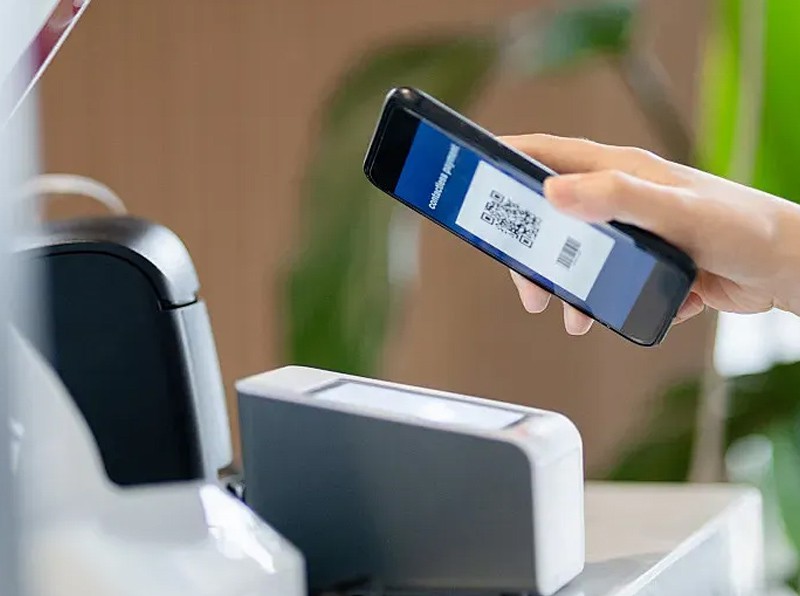
| Provider | Transaction Fees | Supported Chains | Settlement Speed |
|---|---|---|---|
| BitPay | 1% | BTC, ETH, USDC, USDT | T+1 (Fiat) |
| NOWPayments | 0.5% - 1% | 50+ (Multi-chain) | Instant (Crypto/Fiat) |
| CoinGate | 1% | 80+ (Multi-chain) | T+1 (Fiat) |
| Inqud | 1% + Hardware | BTC, ETH, USDC | T+1 (Fiat) |
BitPay remains a standard for traditional merchants due to its deep integration with major payment processors and straightforward fiat settlement. NOWPayments offers greater flexibility with lower fees and support for over 50 cryptocurrencies, making it ideal for businesses wanting to accept a wider variety of assets. CoinGate sits in the middle, offering a robust suite of tools for both online and physical retail with a focus on ease of use. Inqud provides a specialized hardware terminal solution, appealing to businesses that prioritize dedicated physical POS hardware over software-only integrations.
When selecting a provider, consider the average transaction size and the specific cryptocurrencies your customers prefer. For high-volume merchants, even a 0.5% fee difference can significantly impact margins. For those prioritizing speed and simplicity, BitPay and CoinGate offer reliable, regulated fiat conversion. If you want to minimize costs and accept a broader range of tokens, NOWPayments is the more agile choice.
Choosing the right system for your volume
Selecting a crypto POS system requires matching the terminal’s technical capabilities to your business model. The infrastructure that works for a weekend market stall will bottleneck a high-volume retailer, while enterprise-grade hardware wastes resources for small operators. The primary decision factor is how the system handles transaction volume and fiat conversion speed.
Small merchants typically prioritize ease of use and low upfront costs. A simple mobile card reader or smartphone-based terminal often suffices, provided it supports instant fiat conversion to avoid holding volatile crypto assets. For these businesses, integration with existing accounting software and minimal monthly fees are more critical than raw processing power. The goal is to accept payments without adding technical friction to the checkout line.
High-volume retailers need terminals that can handle peak traffic without latency. These systems must support multiple cryptocurrencies simultaneously and offer robust fraud detection. Instant fiat conversion is non-negotiable at this scale; even a few minutes of exposure to market volatility can erode thin profit margins. Retailers should look for dedicated hardware terminals with offline capabilities and advanced security protocols.
| Feature | Small Merchant | High-Volume Retailer |
|---|---|---|
| Hardware | Mobile/Smartphone | Dedicated Terminal |
| Conversion Speed | Instant | Instant + Hedging |
| Integration | Basic Accounting | ERP/POS Sync |
| Security | Standard Encryption | Multi-Sig/Offline |
-
Verify instant fiat conversion support
-
Check monthly transaction limits
-
Ensure compatibility with existing POS software
-
Review security certifications (PCI-DSS)
-
Confirm support for your target cryptocurrencies

Security and compliance in 2026
Accepting cryptocurrency introduces unique security requirements that go beyond traditional card processing. In 2026, the primary concern for merchants is not just protecting customer data, but ensuring the integrity of the conversion process itself. A compromised terminal can lead to immediate financial loss and regulatory scrutiny, making robust security protocols non-negotiable.
PCI Compliance and Key Management
Crypto POS terminals must adhere to the Payment Card Industry Data Security Standard (PCI) just like any other payment device. However, they also require rigorous key management for the private keys that authorize blockchain transactions. Modern terminals often use hardware security modules (HSMs) to store these keys, ensuring that even if the device is physically stolen, the funds remain inaccessible. This dual-layer approach protects both the fiat conversion and the underlying digital assets.
Regulatory Trends and Data Privacy
Regulatory frameworks for crypto payments are evolving rapidly, particularly in the United States and Europe. Merchants must stay informed about anti-money laundering (AML) requirements and know-your-customer (KYC) thresholds that may apply to their transaction volume. Choosing a provider that handles compliance reporting automatically reduces administrative burden and minimizes legal risk. Always verify that your POS provider is registered with relevant financial authorities, such as FinCEN in the US.
Real-Time Risk Monitoring
Security is not a one-time setup but an ongoing process. Leading crypto POS systems offer real-time risk monitoring tools that flag unusual transaction patterns or potential fraud attempts. These systems often integrate with blockchain analytics providers to trace the origin of incoming crypto payments, ensuring that merchants do not accept funds from sanctioned addresses or illicit sources. This proactive stance is essential for maintaining a clean financial record and avoiding frozen assets.
Frequently asked questions about crypto POS
How do instant fiat conversion and settlement times work? Most modern crypto POS systems act as an intermediary, converting the customer's cryptocurrency into fiat currency immediately upon transaction completion. This process typically settles into your bank account within one to three business days, shielding your business from the volatility of the underlying crypto assets. This mechanism ensures you receive a predictable amount of traditional currency regardless of market swings during the checkout window.
Which cryptocurrencies are supported by standard terminals? Standard crypto POS terminals primarily support high-volume, liquid assets such as Bitcoin (BTC), Ethereum (ETH), and stablecoins like USDT and USDC. The choice of supported coins directly impacts your ability to accept payments without holding volatile digital assets. For merchants prioritizing stability, stablecoins offer the speed of blockchain with the value predictability of the US dollar.
What are the typical fees for accepting crypto payments? Fees for crypto POS transactions generally range from 1% to 3%, which is often comparable to or lower than traditional credit card processing fees. These costs cover the blockchain network gas fees and the payment processor's service charge. Unlike card networks, there are no interchange fees or monthly minimums, making it a cost-effective option for small-ticket transactions.
Is a dedicated hardware terminal required for crypto payments? While dedicated crypto POS hardware exists, many businesses integrate crypto payments directly into existing POS software via plugins or API connections. This flexibility allows merchants to accept digital assets using the same tablet or smartphone they already use for card sales. The integration process is often seamless, requiring no significant changes to your daily workflow.
How does a crypto POS handle chargebacks? Cryptocurrency transactions are irreversible by design, meaning merchants face zero risk of fraudulent chargebacks once the transaction is confirmed on the blockchain. This feature eliminates the need for chargeback protection fees and reduces administrative overhead. However, it also means that legitimate customer disputes must be resolved manually, as the network cannot reverse the payment.
No comments yet. Be the first to share your thoughts!