
Choose your payment processor
Selecting a crypto POS processor is the most critical decision for your setup. Your choice determines how quickly you get paid, how much you pay in fees, and who holds the funds during the transaction. The market splits into two distinct paths: custodial processors that auto-convert crypto to fiat, and non-custodial options that keep funds in your wallet.
Custodial processors act like a traditional bank. When a customer pays in Bitcoin or Ethereum, the processor instantly converts it to your local currency and deposits it into your business account. This eliminates price volatility risk but requires you to share custody of the private keys. Non-custodial processors, often called "self-custody" solutions, send the crypto directly to your wallet. You retain full control and avoid intermediary fees, but you must manage the conversion and tax reporting yourself.
| Processor Type | Settlement Speed | Fee Structure | Risk Profile |
|---|---|---|---|
| Custodial (Auto-Convert) | Instant (1-2 days) | Higher (1-3% + spread) | Low volatility risk |
| Non-Custodial (Self-Custody) | Variable (Blockchain time) | Lower (0.5-1%) | High volatility risk |
Most small businesses prefer custodial options for simplicity. If you operate a coffee shop or retail store, you likely want to know exactly how many dollars hit your bank account, regardless of whether Bitcoin is up or down that day. Larger enterprises with treasury teams often choose non-custodial paths to hold digital assets as part of their balance sheet.
Select supported assets and chains
The first technical decision in your crypto POS setup is defining which digital assets your terminal will accept. In 2026, the most prudent strategy for daily retail operations is to prioritize stablecoins and low-fee settlement layers. This approach minimizes the risk of price volatility affecting your daily revenue and keeps transaction costs manageable for both you and the customer.
Prioritize stablecoins for price stability
Stablecoins are the backbone of modern crypto POS systems because their value is pegged to fiat currencies like the US dollar. By accepting USDC or USDT, you eliminate the risk of holding an asset that could lose significant value between the moment a customer pays and the moment you settle. Most modern payment gateways, such as BitPay, offer instant fiat conversion, allowing you to receive dollars directly in your bank account while the customer pays in crypto. This removes the need to manage complex crypto wallets or hedge against market swings.
Use Layer 2 and Lightning for low fees
High transaction fees can erode small retail margins, making Layer 2 scaling solutions and the Bitcoin Lightning Network essential for everyday purchases. These networks process transactions off the main blockchain, resulting in near-instant confirmation times and fees that are fractions of a cent. This makes micro-transactions viable and ensures that customers aren't paying more in network fees than the item they are buying. When configuring your POS software, ensure it supports these networks to provide a seamless checkout experience that rivals traditional card payments.
Avoid holding volatile assets directly
While Bitcoin and Ethereum are widely recognized, holding these volatile assets directly on your register is risky for daily operations. Without immediate conversion, a sudden market dip can reduce your inventory budget overnight. Use the Callout below as a reminder of this critical operational rule.
Check market conditions
Macro-economic factors can influence crypto adoption and stability. Keep an eye on broader market trends to understand how asset performance might impact your specific setup.
Configure the hardware and software
Setting up a crypto POS terminal requires aligning your physical hardware with the payment processor’s software environment. The goal is to create a seamless flow where a customer’s digital wallet triggers a transaction that converts instantly to fiat, minimizing your exposure to cryptocurrency volatility. This process involves installing the necessary applications, pairing peripheral devices, and verifying the connection before accepting live funds.
Install the payment processor application
Begin by downloading the official software from your chosen provider, such as BitPay or a similar regulated processor. Avoid third-party resellers or unverified APKs, as crypto POS systems handle sensitive financial data. Install the application on your designated device, whether that is a dedicated Android terminal, an iPad, or a desktop computer. During installation, ensure you are using the latest version to benefit from current security patches and API compatibility.
Pair the hardware peripherals
Your POS system relies on specific hardware to function correctly. Connect your QR scanner, receipt printer, and card reader via USB or Bluetooth. Most modern crypto POS setups use mobile devices with built-in NFC for contactless payments, but external scanners are still necessary for wallets that only support QR codes. Follow the manufacturer’s pairing instructions to ensure the software recognizes each device. Test each component individually to confirm data is flowing correctly to the application.
Configure currency and conversion settings
Once the hardware is connected, log into the merchant dashboard. The most critical step is configuring your currency preferences. Select your preferred fiat currency (e.g., USD, EUR) as the settlement currency. This ensures that when a customer pays in Bitcoin or Ethereum, the system automatically calculates the equivalent fiat value and settles it to your bank account. Review the fee structure and settlement timeframes to understand how long it takes for funds to clear.
Verify the test transaction
Before opening for business, run a test transaction. Use a small amount of cryptocurrency from a personal wallet to send a payment to your test merchant address. Verify that the POS terminal displays the correct amount, the receipt prints accurately, and the transaction status updates to "confirmed" in your dashboard. This step confirms that your hardware, software, and network integration are working together without errors.
Finalize security and compliance settings
Complete the setup by enabling two-factor authentication (2FA) for your merchant account and reviewing your data retention policies. Ensure your POS terminal is running on a secure, password-protected network. For high-stakes environments, consider setting up transaction limits and requiring PIN verification for amounts above a certain threshold. These measures protect your business from fraud and ensure compliance with financial regulations.
Test transactions before going live
Before accepting real customer funds, you must run a complete end-to-end test of your crypto POS terminal. This verification step confirms that the payment flows correctly from the customer’s wallet to your merchant account and that your automatic fiat conversion settings are working as intended. Skipping this step risks revenue loss from failed transactions or incorrect settlement amounts.

Initiate a small test transaction using a low-value amount or a testnet token if your provider supports it. Ensure the terminal displays the correct crypto amount and that the customer’s wallet confirms the transfer. This verifies that the hardware and software are communicating correctly.
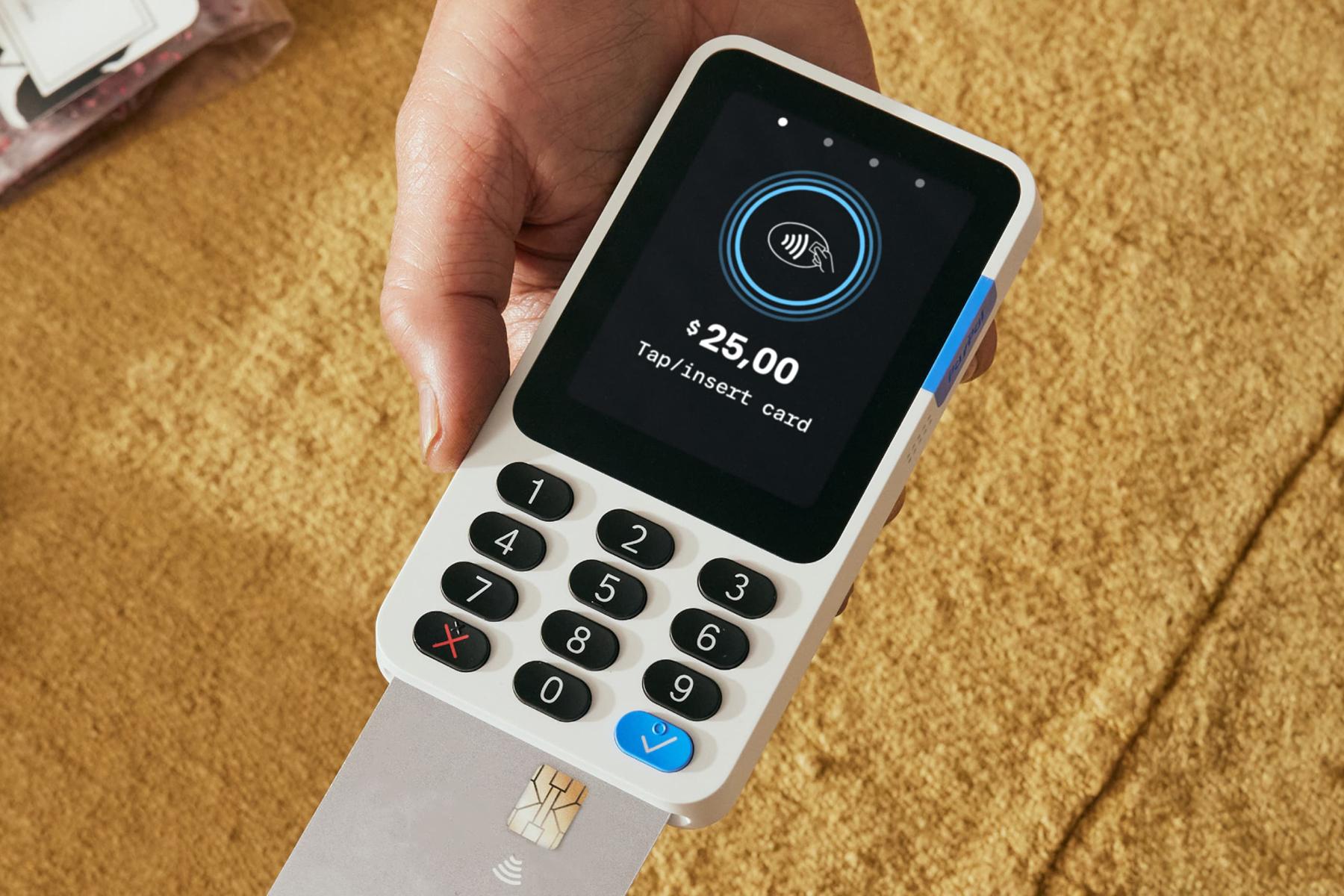
Check your merchant dashboard immediately after the test payment. Confirm that the transaction status updates from "pending" to "completed" without errors. If the terminal shows success but the dashboard remains pending, you may have a connectivity issue that could delay real settlements.

Review your settlement settings to ensure the automatic conversion to fiat currency is active. Check that the converted amount matches the current exchange rate at the time of the test. This step is critical for preventing revenue loss if you do not wish to hold crypto assets during business hours.
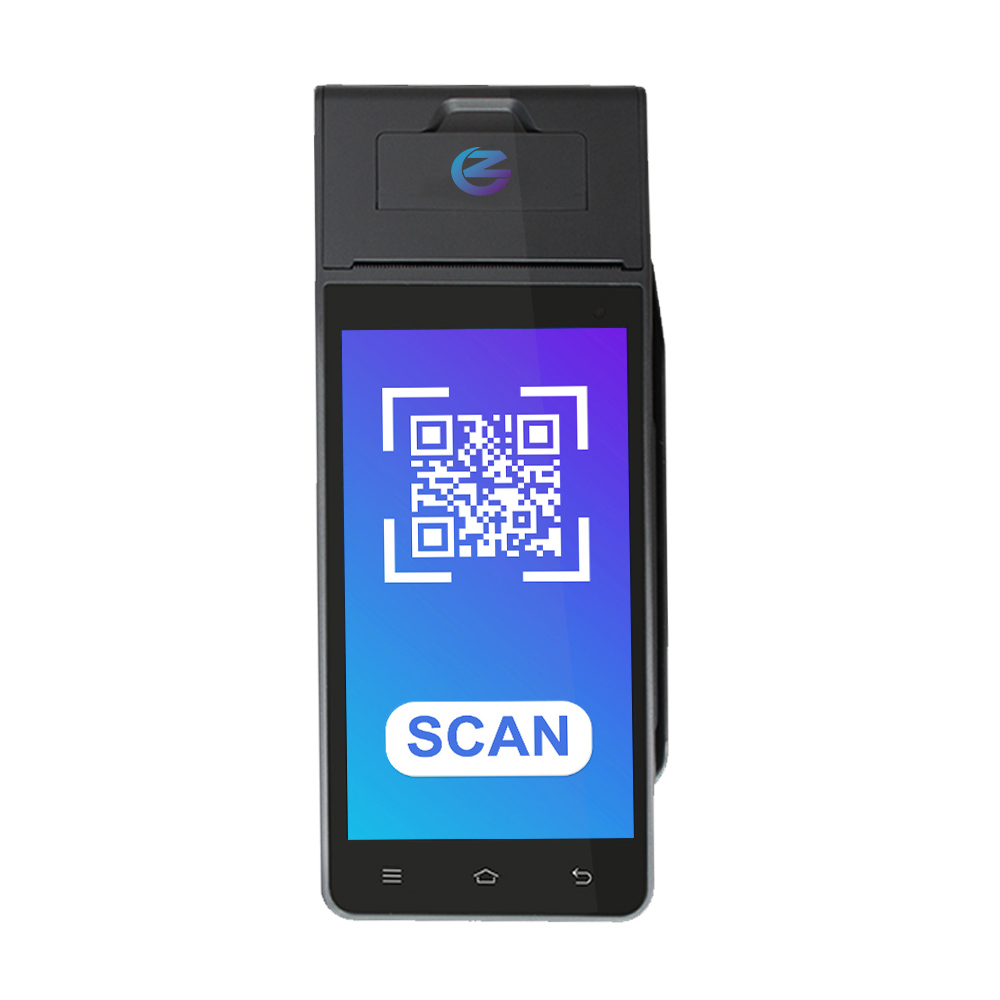
Verify the expected settlement window for your provider. Some gateways settle instantly, while others may take 24 hours. Confirm that the test funds appear in your linked bank account or stablecoin wallet within the promised timeframe to ensure your cash flow remains uninterrupted.
Checklist
-
Test transaction completed via terminal
-
Merchant dashboard shows "completed" status
-
Fiat conversion amount matches exchange rate
-
Settlement funds received within expected window
Handle tax and compliance reporting
Crypto transactions are taxable events in most jurisdictions, meaning every sale, refund, and conversion must be tracked. Without a clear system, you risk penalties and audits. The good news is that modern crypto POS terminals simplify this burden by handling the heavy lifting.
Let the processor track the data
Choose a payment processor that automatically generates transaction logs. These logs should capture the date, time, fiat value at the moment of exchange, and the crypto amount. This data is the foundation of your tax reporting. Look for platforms that export to CSV or integrate directly with accounting software like QuickBooks or Xero.
Convert to fiat to simplify calculations
The simplest compliance strategy is to settle in fiat currency. When your POS converts crypto to USD (or your local currency) immediately, you only have to report standard sales income. You avoid the complexity of calculating capital gains on volatile assets like Bitcoin or Ethereum for every single transaction. This approach removes the need to track the specific coin’s value at the exact second of sale.
Reconcile and file
At the end of the quarter, pull your reports from your POS dashboard. Cross-reference these with your bank statements to ensure every deposit matches a recorded sale. If you hold crypto instead of converting to fiat, you must track the fair market value at the time of receipt and again at the time of disposal. This creates a capital gains or loss event that must be reported separately.
Use official tools for verification
For US-based merchants, the IRS provides specific guidance on virtual currency transactions. Use their Tax Guide for Cryptocurrency Transactions as a reference point. This official resource clarifies what constitutes a taxable event and how to report it correctly. Relying on primary sources ensures your compliance strategy is built on accurate, current law rather than third-party interpretations.
No comments yet. Be the first to share your thoughts!