
Choose a compliant payment gateway
Selecting the right crypto POS provider is the first step in building a secure checkout flow. Prioritize gateways that handle fiat conversion automatically, isolating your business from direct market exposure while ensuring customers can pay with their preferred tokens. When evaluating providers, focus on fee structures, supported blockchain networks (particularly USDC and Lightning Network for speed), and the depth of their integration capabilities.
| Provider | Fee Structure | Supported Chains | AI API Access |
|---|---|---|---|
| BitPay | ~1% + 10¢ | BTC, ETH, USDC | Full REST API |
| NOWPayments | 0.5% fixed | 500+ (incl. Lightning) | Webhooks & API |
| PallaPay | Competitive tiered | Multi-chain | Developer SDK |
Verify that the provider’s documentation explicitly supports custom webhook events. This feature allows your AI system to receive immediate notifications of transaction status, enabling instant decision-making. Avoid providers that require manual reconciliation or offer only delayed settlement reports, as these lag behind the speed required for effective fraud prevention.
Connect hardware to the payment API
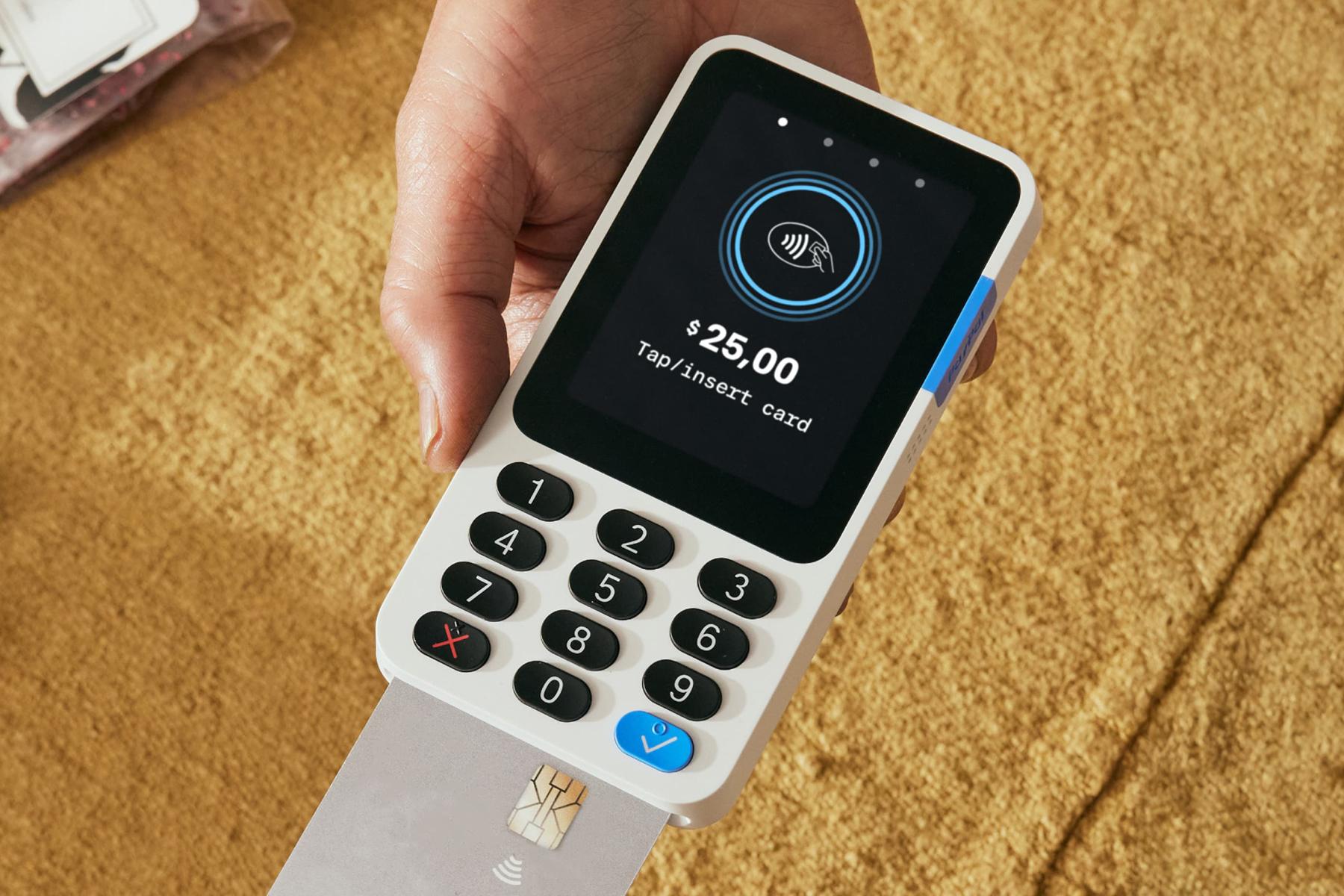
Linking your POS terminal to a crypto payment gateway requires bridging physical hardware with digital API endpoints. This connection ensures that transaction data flows instantly from the card reader or QR scanner to the blockchain or fiat processor, enabling the AI fraud detection system to analyze risk in real time.
1. Verify hardware compatibility
Before writing code, confirm that your POS terminal supports the specific protocols required by your chosen gateway. Most modern terminals use EMVCo standards for card payments and support NFC or QR scanning for crypto wallets. Check the manufacturer’s documentation for supported SDKs and API versions. Using incompatible hardware creates latency and increases the chance of dropped transactions, which AI models may flag as suspicious activity.
2. Set up the API sandbox
Never test live crypto transactions against your main production keys. Create a sandbox environment using the gateway’s developer portal. This isolated environment mimics the mainnet but uses test coins or fiat equivalents. Configure your API keys with restricted permissions. This step allows you to validate the handshake between your POS software and the gateway without risking actual funds or exposing sensitive credentials.
3. Configure webhooks for real-time monitoring
API polling is too slow for effective fraud detection. Instead, configure webhooks to push transaction events directly from the gateway to your AI monitoring service. When a customer taps their card or scans a wallet, the gateway immediately sends a JSON payload containing transaction details. Your system must listen for these events to trigger fraud checks before the transaction is finalized. Ensure your webhook endpoints are secure and can handle high throughput during peak hours.
4. Test the end-to-end flow
Run a full test cycle: initiate a payment on the POS terminal, confirm the gateway receives the request, verify the webhook fires, and check that the AI system logs the event. Use the gateway’s sandbox tools to simulate successful payments, declines, and timeouts. Document any latency issues. If the connection between the terminal and the API takes more than a few seconds, the user experience suffers, and your fraud detection window narrows.
5. Switch to production keys
Once the sandbox tests pass, generate production API keys. Update your POS configuration to point to the live gateway endpoints. Perform a small live transaction to confirm that funds settle correctly and that the AI system receives the final status update. Monitor the first few hours of live traffic closely to ensure the integration holds up under real-world conditions.
Configure real-time transaction monitoring
To prevent fraud before funds settle, you must configure the AI layer to analyze transaction patterns instantly. This setup acts as a gatekeeper, distinguishing between legitimate high-volume merchants and synthetic identity attacks or double-spend attempts.
Set latency thresholds
Configure your monitoring system to evaluate transactions within milliseconds. For standard blockchain networks, waiting for multiple confirmations is standard, but for Lightning Network or stablecoin transfers, the risk window is narrower. Set your system to flag any transaction exceeding a defined velocity threshold—such as more than five rapid, identical-value transactions from a single wallet within sixty seconds. This prevents "dusting" attacks where small amounts are used to map wallet relationships before a larger fraud attempt.
Define risk scoring parameters
Assign risk scores to incoming transactions based on behavioral data. Integrate data points such as device fingerprinting, IP geolocation, and historical merchant volume. A transaction from a new device in a high-risk jurisdiction should trigger a higher risk score than a repeat customer. Use official fraud databases to cross-reference known malicious addresses. If a transaction hits a predefined risk score (e.g., 80/100), route it to manual review or require step-up authentication before settlement.
Enable automated response actions
Configure the system to take immediate action based on the risk score. For low-risk transactions, allow instant settlement. For medium-risk, hold the funds for a short verification period. For high-risk, automatically reject the transaction and log the event for audit. This automated triage ensures that your AI fraud detection layer reduces false positives while blocking actual threats before they impact your ledger.
Test with simulated attack vectors
Before going live, run your configuration against a suite of simulated fraud scenarios. Use testnet environments to simulate chargeback attempts, synthetic identity clusters, and velocity breaches. Verify that your AI model correctly identifies these patterns and that your automated response actions trigger as expected. This validation step ensures that your fraud detection layer is robust and ready for real-world traffic.
Test the checkout flow with AI safeguards
Before going live, you must prove that your AI fraud detection layer works alongside the crypto POS without creating friction for legitimate buyers. This validation phase involves running a controlled set of transactions that mimic both normal customer behavior and common attack vectors.
1. Run baseline test transactions
Start by processing standard payments using the cryptocurrencies you intend to accept. These transactions should trigger no flags from your AI system. Record the latency from the moment the customer scans the QR code to the final confirmation on the POS terminal. This establishes your performance baseline. If the AI introduces significant delay, customers will abandon the cart. Ensure the settlement logic correctly routes funds to your wallet addresses.
2. Simulate high-risk fraud scenarios
Next, introduce transactions that exhibit signs of fraud. Use test cards or wallets associated with known high-risk indicators, such as mismatched IP addresses or unusually large purchase amounts. Your AI model should flag these for manual review or block them entirely. Verify that the POS interface clearly displays the reason for the rejection or the pending status. This step ensures your staff knows how to handle flagged transactions without confusing the customer.
3. Validate AI accuracy and false positives
Analyze the results to check for false positives. A false positive occurs when a legitimate transaction is blocked by the AI. If your test data shows too many false positives, your AI thresholds are too sensitive, and you will lose sales. Conversely, if fraudulent transactions slip through, your thresholds are too loose. Adjust the sensitivity settings in your AI configuration and re-run the tests until you find a balance that minimizes risk without hurting conversion rates.
4. Confirm settlement and reporting
Finally, verify that all transaction data, including flagged items, is accurately recorded in your POS reporting dashboard. Ensure that the AI’s risk score is stored alongside the transaction metadata. This data is critical for future model training and for reconciling your accounts. If the reporting is incomplete, you will lack the visibility needed to audit your fraud detection performance over time.
Common integration mistakes to avoid
Even with robust AI fraud detection, technical missteps can undermine your crypto POS setup. The most frequent errors stem from overlooking backend requirements rather than frontend design. Address these pitfalls during the integration phase to ensure smooth operations.
Ignoring Network Fees and Confirmation Times
Crypto transactions vary significantly in speed and cost depending on the blockchain. Assuming all payments settle instantly leads to order fulfillment delays. Configure your POS to display real-time network fees and require a minimum number of confirmations before marking an order as paid. This prevents chargeback risks associated with unconfirmed transactions on slower networks.
Failing to Update AI Fraud Models
Fraud vectors evolve rapidly. A model trained on older data may miss new patterns emerging, such as sophisticated bot attacks or cross-chain laundering techniques. Schedule quarterly reviews of your AI model’s performance against recent fraud attempts. Retrain the model with fresh data to maintain high accuracy and reduce false positives that frustrate legitimate customers.
Overlooking Currency Volatility Settings
Crypto prices can swing dramatically within minutes. If your POS does not lock the exchange rate at the moment of payment, you may sell an item for less than its fiat value by the time the transaction settles. Implement immediate conversion to stablecoins or fiat via your payment processor to hedge against volatility during the checkout window.
Skipping Test Transactions in Sandbox
Never deploy a new integration directly to live sales. Use the payment processor’s sandbox environment to simulate various fraud scenarios, including declined cards, expired tokens, and network timeouts. This ensures your AI detection rules trigger correctly without risking actual funds or customer experience.
Frequently asked questions about crypto POS security
Integrating AI fraud detection into your crypto POS requires balancing speed with rigorous verification. Below are the most common technical and compliance questions merchants face when deploying these systems.
Work through Integrate Crypto POS Systems with AI-Driven Fraud Detection
No comments yet. Be the first to share your thoughts!