
Crypto POS systems 2026
The 2026 crypto POS landscape has shifted from experimental novelty to operational necessity for merchants seeking to cut payment processing fees. By integrating cryptocurrency directly into point-of-sale workflows, businesses bypass traditional banking intermediaries, allowing funds to move instantly from customer to business without bank oversight or high merchant discount rates. This direct wallet integration reduces friction and cost, making crypto a viable primary payment rail for many small and mid-sized enterprises.
AI-driven payment gateways now handle the complex volatility management that previously made crypto POS adoption risky. These systems instantly convert incoming cryptocurrency into stablecoins or fiat, shielding merchants from price swings while still offering the speed and lower fees of blockchain settlement. The result is a system that feels like traditional card processing to the customer but operates with the efficiency of direct settlement.
Choosing the right system depends on your volume and technical comfort. Below is a comparison of the leading approaches for 2026 merchants.
Crypto POS Systems in 2026: Tradeoffs and Selection Criteria
Choosing a crypto point-of-sale system in 2026 requires balancing speed, cost, and operational simplicity. AI-driven payment gateways have reduced friction, but they introduce new variables regarding data privacy and transaction finality. Merchants must evaluate how these systems handle volatility, settlement times, and regulatory compliance before committing to a provider.
The core tradeoff lies between holding crypto assets and instant fiat conversion. Systems like BitPay allow merchants to accept payments without managing wallets or addresses, automatically converting cryptocurrency to fiat currency. This eliminates volatility risk but often comes with higher processing fees. Conversely, self-custody solutions offer lower fees and greater transparency but require merchants to manage security keys and bear the risk of market fluctuations.
| Feature | Instant Fiat Conversion | Volatility Risk | Integration Complexity | Typical Fee |
|---|---|---|---|---|
| Managed Gateway (e.g., BitPay) | Yes | None | Low | 1-2% |
| Self-Custody Wallet | Manual | High | High | Network Gas Fees |
| Hybrid AI Gateway | Yes | None | Medium | 1.5-2.5% |
Evaluating Settlement and Security
Settlement speed is critical for small businesses with tight cash flow. AI-driven systems often promise near-instant settlement, but merchants should verify if the "instant" conversion happens before or after blockchain confirmation. Pre-confirmation settlements carry counterparty risk if the provider faces liquidity issues. Post-confirmation settlements are safer but may delay access to funds.
Security also extends beyond the payment gateway. When a POS system integrates directly with a crypto wallet, funds move directly from customer to business, bypassing traditional banks. This reduces exposure to banking freezes but increases the burden on the merchant to secure private keys. Most modern solutions mitigate this by using multi-signature wallets or institutional custodians, ensuring that neither the merchant nor the provider can unilaterally access funds without authorization.
Decision Framework
For brick-and-mortar retailers, the ease of integration and fiat conversion usually outweigh the minor fee differences. The goal is to accept payments without distracting staff or complicating accounting. For online businesses or those serving crypto-native audiences, self-custody or hybrid models may offer better long-term value and brand alignment. Always test the checkout flow with small amounts before going live to ensure the AI-driven conversion tools function as expected during peak traffic.
How to choose the right crypto POS system
Selecting a crypto payment gateway requires balancing transaction speed, cost, and regulatory compliance. In 2026, AI-driven gateways reduce fees by predicting network congestion and optimizing routing, but not all systems offer the same level of merchant control. Use this framework to evaluate options based on your specific business model.
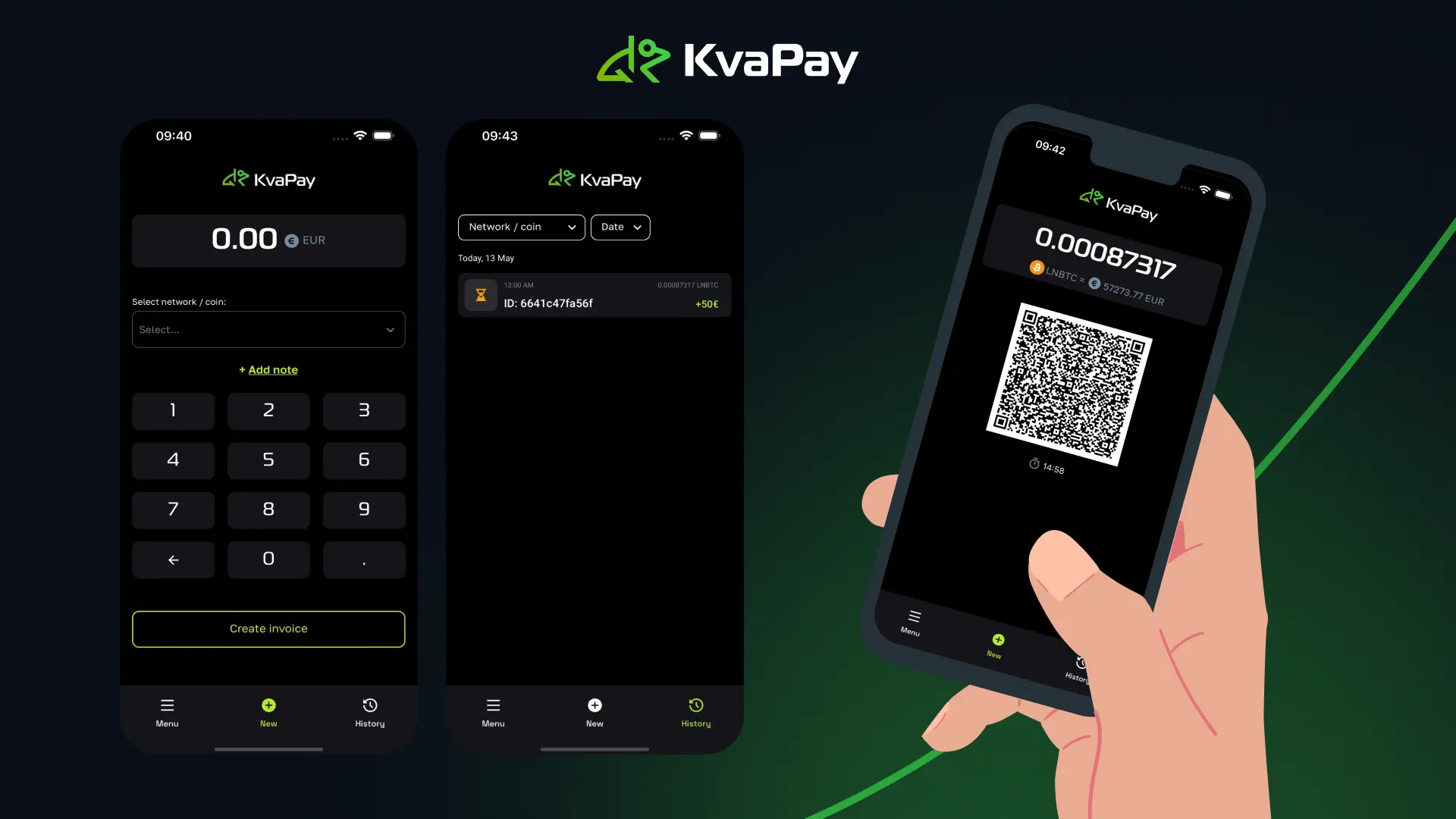
Decide whether you want to hold crypto or receive fiat. Direct wallet integration allows funds to move straight from customer to business, bypassing traditional banks entirely. However, this exposes you to volatility. AI-driven systems often include automatic conversion features that settle in stablecoins or fiat within seconds, protecting your margins from market swings.
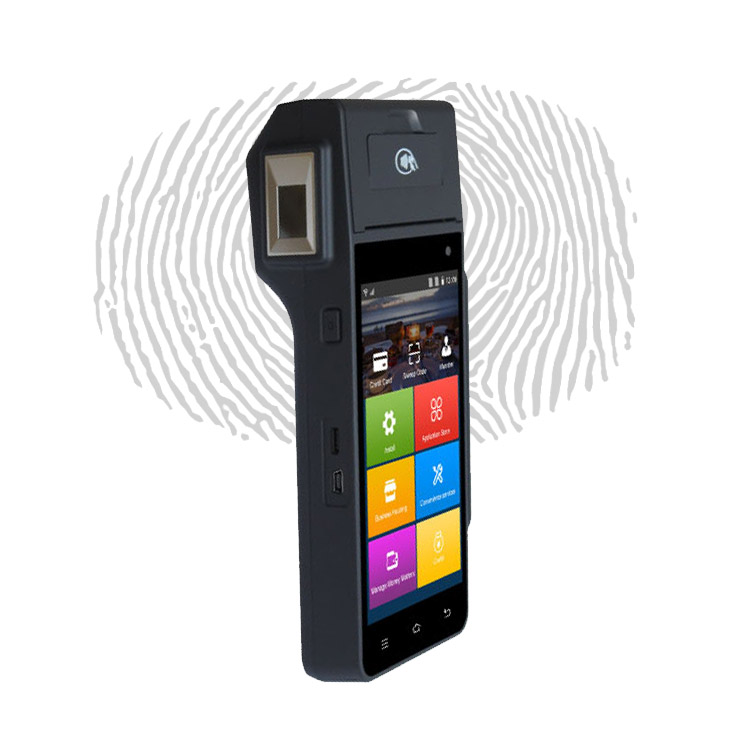
Look for gateways that use AI to select the most efficient blockchain network for each transaction. This reduces gas fees and confirms payments faster. A system that manually routes transactions or relies on a single network will likely result in higher costs and slower processing during peak times. Check if the provider offers real-time fee optimization.
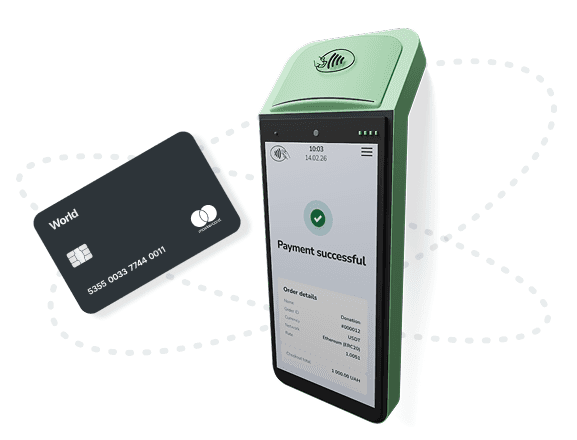
Ensure the provider adheres to local financial regulations, including KYC (Know Your Customer) and AML (Anti-Money Laundering) standards. Non-compliant systems risk freezing funds or legal penalties. Major providers in 2026 typically offer built-in compliance tools that automate reporting, saving you from manual administrative burdens.
Analyze the total cost of ownership, including processing fees, chargeback protection, and currency conversion costs. Some systems charge flat fees per transaction, while others take a percentage. AI-driven gateways often negotiate better rates by aggregating volume, but verify if these savings are passed directly to you or retained by the provider.

Evaluate how well the POS system integrates with your existing inventory and accounting software. Seamless integration reduces data entry errors and saves time. Look for APIs or pre-built plugins for popular e-commerce platforms. A complex setup can delay launch and increase operational overhead, so prioritize user-friendly interfaces.
| Feature | Direct Wallet | AI-Driven Gateway |
|---|---|---|
| Settlement Speed | Variable | Near-instant |
| Volatility Risk | High | Low (Auto-convert) |
| Fee Optimization | Manual | Automated |
| Compliance Tools | Basic | Advanced |
Spotting Weak Crypto POS Claims
Many vendors promise that AI-driven gateways will slash merchant fees to near zero. This is rarely accurate. While blockchain transactions can bypass traditional banking rails, they still incur network gas fees, exchange conversion spreads, and processor markup. The "zero fee" narrative often hides the cost of converting crypto to fiat currency instantly, which typically ranges from 1% to 3% depending on the liquidity pool.
Be wary of systems that claim "direct wallet integration" eliminates all intermediaries without mentioning settlement risk. When a POS connects directly to a wallet, the merchant assumes the volatility risk if they hold the asset. If the system auto-converts to fiat, it is effectively acting as a payment processor, and those fees are passed on. Look for transparent fee schedules that separate network costs from processor margins.
Another common mistake is ignoring compliance costs. A system that appears cheap may lack necessary KYC/AML features, exposing your business to regulatory scrutiny. In 2026, the most reliable options balance low transaction costs with robust security and legal compliance. Always verify the provider’s insurance coverage and dispute resolution policies before committing.
Crypto pos systems 2026: what to check next
Merchants often hesitate to adopt crypto payments due to volatility, regulatory uncertainty, or technical complexity. Below are direct answers to the most common practical objections facing businesses in 2026.
These answers reflect the current landscape of merchant adoption. The focus has shifted from speculation to utility, making crypto payments a viable tool for reducing transaction costs rather than an investment strategy for retailers.
No comments yet. Be the first to share your thoughts!