
The 2026 shift to instant stablecoin settlements
Cryptocurrency payments are moving into the mainstream of U.S. commerce. According to a January 2026 announcement from PayPal, four in ten U.S. merchants now accept digital assets, signaling a decisive pivot from experimental adoption to operational integration. This growth is not driven by speculation on volatile tokens, but by the practical need for faster, cheaper settlement rails.
The dominant merchant strategy has shifted toward stablecoin-based instant settlements. Traditional payment gateways often hold funds for days, tying up working capital and introducing reconciliation friction. Stablecoins settle on-chain in seconds, offering merchants immediate liquidity. This shift mirrors the broader market trend described by CryptoSlate, where crypto payments are becoming quieter, more embedded, and aligned with existing financial infrastructure rather than replacing it.
For merchants, this means the end of the "crypto risk" era. By settling in stablecoins pegged to fiat currencies like the US Dollar, businesses eliminate the need to immediately convert crypto holdings into cash, avoiding exchange rate fluctuations. This approach transforms digital assets from a speculative asset class into a functional payment method with utility comparable to, but faster than, traditional card networks.
The stability of USDC against the US Dollar illustrates this stability. While the broader crypto market remains neutral to cautiously optimistic through mid-2026, stablecoins provide the predictable value retention that merchants require for daily operations. This reliability is the primary driver behind the rapid adoption of stablecoin settlements in the point-of-sale environment.
Gateway fees and settlement times
Choosing between traditional payment gateways and crypto POS solutions comes down to two hard metrics: cost per transaction and speed of capital availability. Traditional processors like Stripe and PayPal offer familiarity but charge premium rates for that convenience. Crypto gateways like BitPay and Inqud offer structural advantages in fee reduction and settlement speed, particularly when using stablecoins.
Fee Structures
Traditional credit card processors typically charge between 1.5% and 3.5% per transaction, plus a fixed per-transaction fee. These costs are driven by interchange fees, network assessments, and processor margins. For high-volume merchants, these percentages compound quickly, eating directly into margins.
Crypto payment gateways generally charge significantly lower processing fees, often ranging from 0.5% to 1%. This reduction comes from bypassing the traditional card network infrastructure. While you still pay network fees for blockchain transactions, these are often negligible compared to card network interchange fees, especially for stablecoin settlements which mimic traditional fiat rails in speed but with lower overhead.
Settlement Speed
The most significant operational difference lies in settlement times. Traditional gateways typically hold funds for 2-3 business days before depositing them into your bank account. This "float" can impact cash flow, especially for businesses with tight working capital needs.
Crypto POS solutions offer near-instant settlement. Once a transaction is confirmed on the blockchain—which can take seconds to minutes depending on the coin and network congestion—the funds are available in your merchant wallet. If you choose to convert to fiat, the conversion and transfer speed depends on the gateway's banking partners, but the initial settlement is far faster than traditional ACH or wire transfers.
| Feature | Traditional Gateway | Crypto POS |
|---|---|---|
| Processing Fee | 1.5% - 3.5% | 0.5% - 1% |
| Settlement Time | 2-3 Business Days | Seconds to Minutes |
| Chargeback Risk | High | Negligible |
| Cross-Border Fees | High | Low |
Chargeback Risk
Traditional gateways expose merchants to chargeback fraud. A customer can dispute a transaction weeks after purchase, forcing a refund and often incurring additional chargeback fees. This reversibility is a major operational headache and financial risk.
Crypto transactions are irreversible. Once confirmed, the funds are settled and cannot be reversed without the merchant's explicit action. This eliminates chargeback fraud entirely, providing a layer of security that traditional gateways cannot match. For merchants in high-risk industries or digital goods, this is a critical advantage.
Hardware and software integration realities
Adopting a crypto POS system in 2026 requires bridging the gap between physical retail infrastructure and digital settlement networks. For most merchants, the barrier is no longer technical expertise but understanding which hardware aligns with their transaction volume and customer base. The market has shifted from custom-built integrations to plug-and-play solutions that treat cryptocurrency like any other fiat currency at the register.
Modern crypto POS platforms have largely eliminated the need for merchants to manage private keys or complex wallet infrastructure. Services like BitPay allow businesses to accept crypto payments without holding the assets, automatically converting transactions into stablecoins or fiat upon settlement. This approach ensures that a coffee shop owner or boutique retailer can accept Bitcoin or Ethereum with the same ease as swiping a card, removing the anxiety of technical setup.
On the hardware side, the integration is surprisingly flexible. While dedicated crypto-enabled terminals exist, the most common setup involves using existing point-of-sale hardware—tablets, smartphones, or standard card readers—augmented by software plugins. These plugins generate dynamic QR codes or NFC prompts for customers to pay from their wallets. The hardware itself remains unchanged; the transformation happens in the software layer that routes the transaction to the blockchain and confirms the settlement in real-time.
For merchants concerned about compatibility, most modern crypto POS solutions are designed to sit on top of existing systems like Square, Shopify, or Clover. This means you do not need to replace your entire checkout infrastructure. Instead, you install an integration that listens for payment confirmations and updates your inventory and sales records accordingly. This hybrid approach allows for a gradual transition, letting merchants test the waters with a single terminal before rolling out a full network.
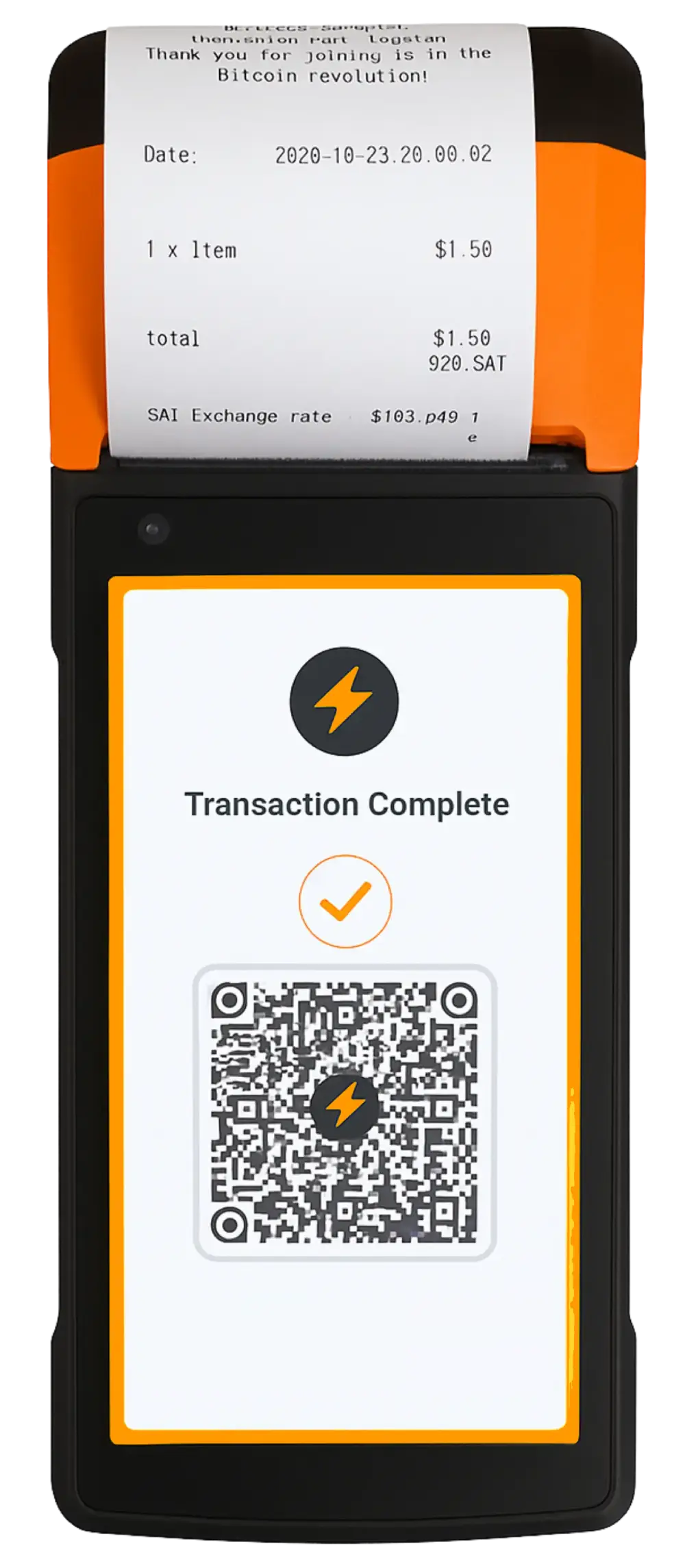
The choice between mobile and fixed hardware often comes down to the nature of the business. Food trucks and pop-up shops benefit from the portability of mobile crypto POS apps, which run on iOS or Android devices. Brick-and-mortar stores, however, often prefer dedicated terminals or integrated tablets that provide a more professional customer experience and faster transaction speeds. Regardless of the form factor, the underlying software standardizes the experience, ensuring that the merchant receives their funds quickly and securely, regardless of the volatility of the underlying crypto asset.
Risk management and regulatory compliance
The transition to crypto payments shifts the primary risk from market volatility to regulatory uncertainty. Merchants adopting stablecoin settlements effectively neutralize the price swings that plagued early cryptocurrency adoption, but they must navigate a fragmented legal landscape that varies significantly by jurisdiction. Unlike traditional gateways that operate under established banking frameworks, stablecoin payments require merchants to understand the specific compliance requirements of the underlying blockchain networks and local anti-money laundering (AML) laws.
Stablecoins mitigate volatility risk by pegging their value to fiat currencies like the US dollar. This stability allows merchants to accept digital assets without immediately converting them, reducing the operational friction of real-time hedging. However, this benefit is contingent on the stability of the peg itself and the regulatory status of the issuer. In 2026, the focus is less on speculative gains and more on embedded, quiet infrastructure that aligns with existing financial reporting standards.
Regulatory compliance remains the most significant hurdle for widespread adoption. The Financial Action Task Force (FATF) and local regulators are tightening rules on digital asset service providers, requiring robust Know Your Customer (KYC) and transaction monitoring systems. Merchants must ensure their payment processors are compliant with these evolving standards to avoid account freezes or legal penalties. As 4 in 10 U.S. merchants now accept digital assets, the industry is moving toward standardized compliance tools that make regulatory adherence as seamless as traditional credit card processing.
When stablecoin payments make sense for your business
Switching to a crypto POS isn't a universal upgrade, but it becomes a strategic necessity when traditional gateways create friction in your specific operations. The decision framework for 2026 hinges on three factors: transaction velocity, cross-border complexity, and margin pressure. If your business model relies on high-volume, low-margin sales or frequent international transfers, stablecoin settlements often outperform traditional credit card processors.
Cross-border and B2B transactions
Traditional banking rails impose significant delays and fees for international B2B payments. Stablecoins settle in minutes, not days, and typically cost a fraction of a cent regardless of the transfer amount. For businesses importing goods or paying global contractors, this speed and cost efficiency directly improve cash flow and reduce treasury management overhead.
High-volume retail and digital goods
Merchants selling digital goods or operating in high-volume retail environments face steep chargeback risks and processing fees from traditional gateways, which can range from 2.5% to 3.5% plus fixed fees. Stablecoin payments are irreversible and near-free, eliminating chargeback fraud and preserving margins. This makes them ideal for software subscriptions, digital content, and high-frequency e-commerce.
Currency volatility and hedging
While cryptocurrencies like Bitcoin remain volatile, stablecoins pegged to fiat currencies (like USDC or USDT) offer the speed of crypto without the price risk. For merchants in regions with unstable local currencies, accepting stablecoins provides a hedge against inflation and devaluation, allowing businesses to hold value in a more predictable asset until they choose to convert.
Is a crypto POS suitable for small businesses in 2026? Small businesses benefit most if they serve international clients or sell digital products. For purely local, low-volume retail, traditional gateways may still offer easier consumer familiarity. However, as stablecoin adoption grows, the cost savings often outweigh the learning curve for small merchants.
What is the trend in the crypto market in 2026? The crypto market has maintained a neutral to cautiously optimistic outlook through July 2026. While volatility persists, overall stability is backed by improving macro conditions and steady institutional investment. This trend is driving further adoption of Web3, especially in the crypto sector, making payment integration more reliable for merchants.
How do stablecoin payments compare to credit cards? Stablecoins offer faster settlement (seconds vs. days) and significantly lower fees (fractions of a cent vs. 2-3%). However, credit cards offer consumer protections like chargebacks and widespread acceptance, which stablecoins currently lack.
No comments yet. Be the first to share your thoughts!