
Why crypto POS 2026 matters now
The landscape of retail payments has shifted. According to PayPal, 4 in 10 U.S. merchants now accept digital assets, a statistic that marks the transition of cryptocurrency from speculative asset to operational payment rail. This surge is not driven by merchant enthusiasm for volatility, but by the arrival of modern crypto POS systems that solve the fundamental friction of digital currency: price risk.
The core value proposition of these systems is risk-free fiat settlement. When a customer pays with Bitcoin or Ethereum, the POS provider instantly converts the transaction into local fiat currency, depositing it into the merchant’s bank account. The merchant never holds the crypto asset, meaning they avoid the risk of a 10% drop in asset value before settlement. This mechanism effectively neutralizes the primary barrier to entry for traditional businesses wary of crypto volatility.
This infrastructure allows merchants to offer a new payment method without exposing their balance sheet to market swings. The technology bridges the gap between decentralized networks and traditional accounting, making crypto payments a viable utility rather than a risky experiment. As adoption grows, the ability to settle instantly in fiat becomes the defining feature of competitive payment processors.
How real-time fiat settlement works
When a customer taps a card or scans a QR code at a crypto POS terminal, the transaction moves through a precise technical lifecycle. The goal is to convert digital assets into local currency instantly, shielding the merchant from market volatility. This process typically relies on stablecoins like USDC or the Lightning Network to bridge the gap between blockchain speed and traditional banking rails.
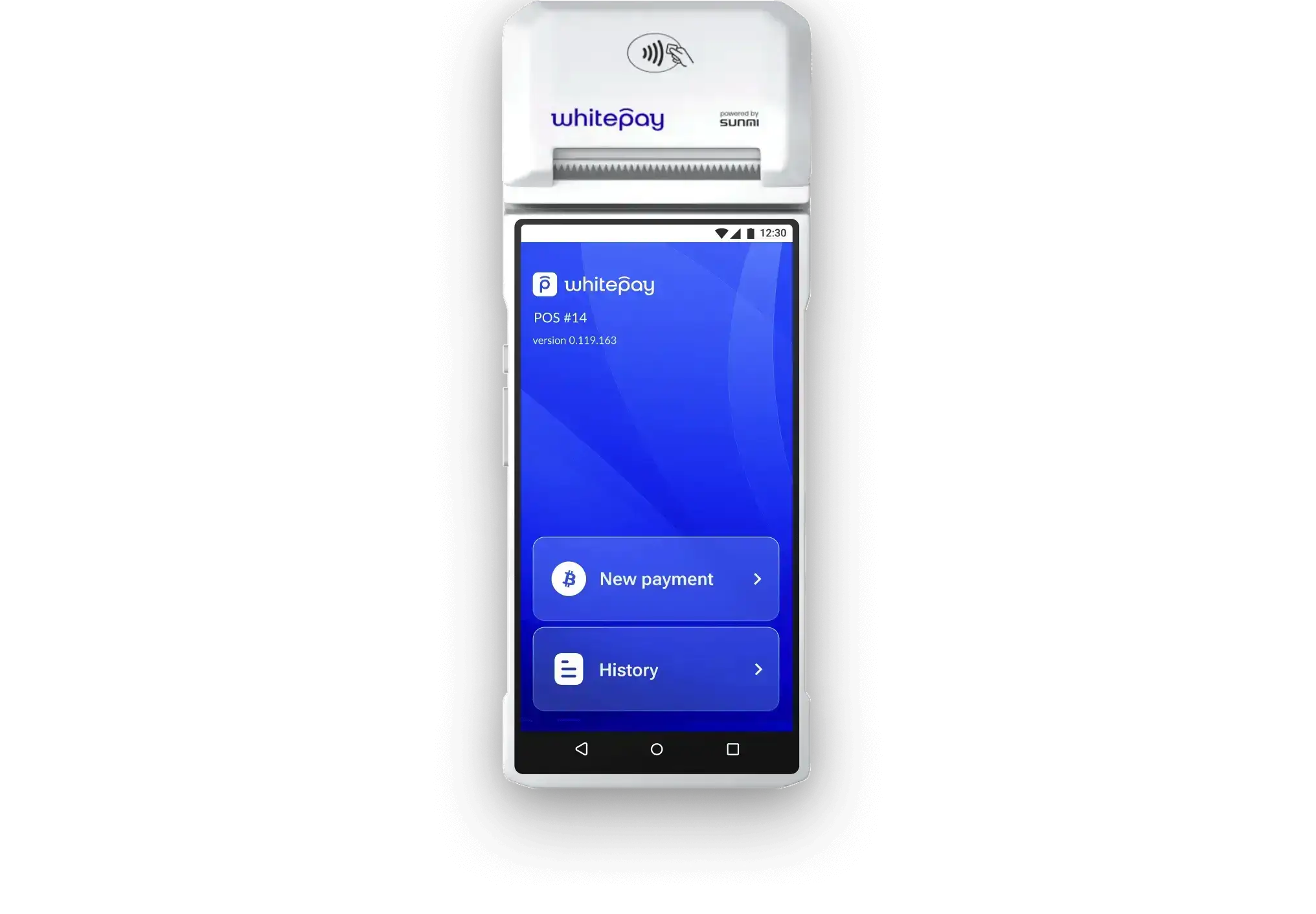
The customer selects a cryptocurrency (e.g., Bitcoin, USDC) and completes the payment via a mobile wallet or QR code. The POS system validates the transaction details and signs the request, preparing it for the blockchain network.
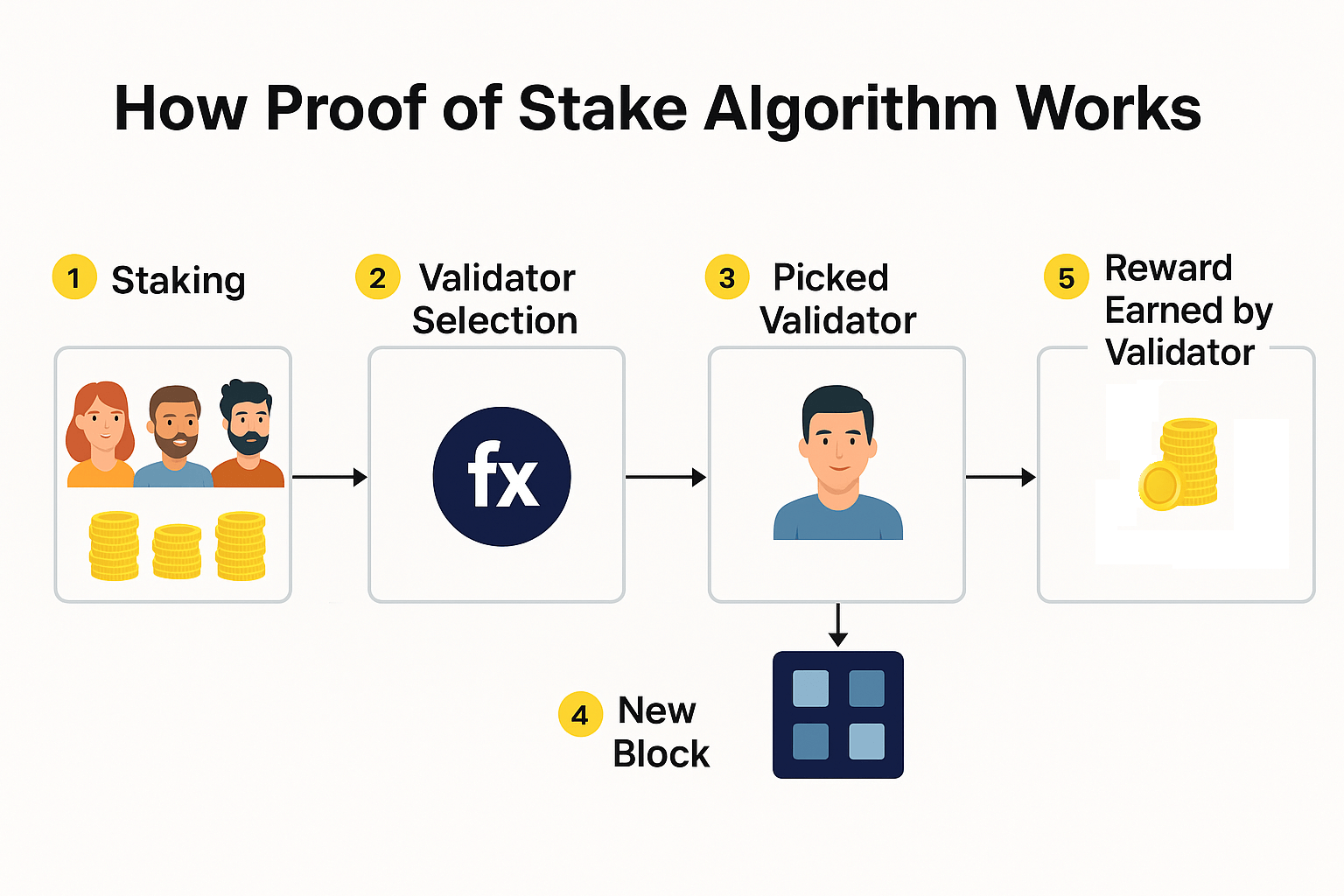
The payment enters the blockchain. For volatile assets like Bitcoin, the payment gateway (such as BitPay or Pallapay) monitors the network for confirmations. Once confirmed, the gateway immediately sells the crypto for a stablecoin (USDC) or fiat currency at the current exchange rate, locking in the value.
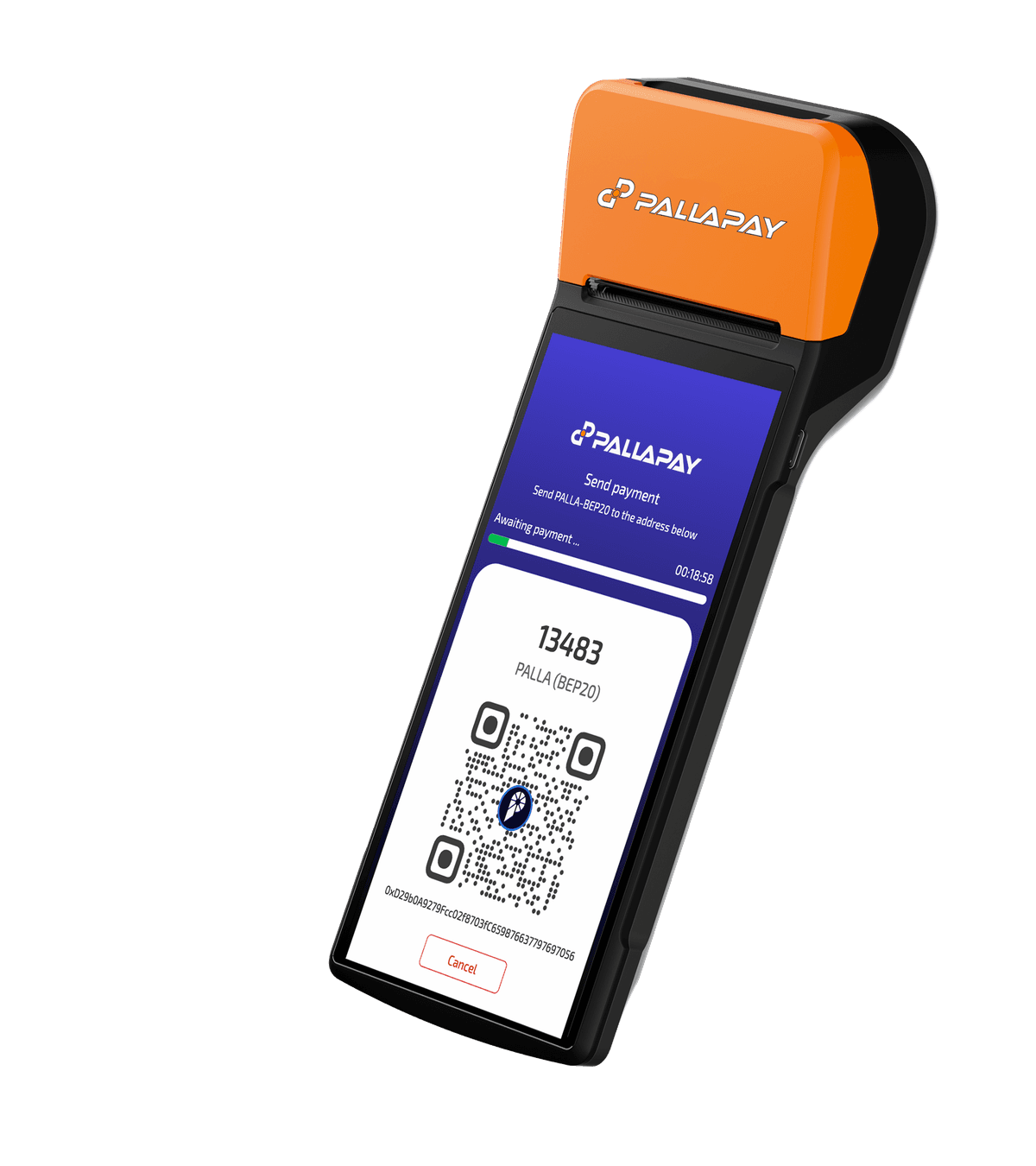
The converted funds are routed to the merchant’s bank account or digital wallet. Unlike traditional card processors that take 2-3 days, crypto POS systems often settle within minutes or hours, depending on the provider and banking partnerships.
This architecture eliminates the need for merchants to hold crypto. By using stablecoins or instant conversion engines, the risk of price swings during the transaction window is removed. The merchant receives the exact amount owed in their local currency, while the customer pays with digital assets.
The reliability of this system depends on the underlying blockchain’s stability and the payment processor’s liquidity. For merchants, this means accepting crypto without the administrative burden of managing a crypto treasury.
Top crypto payment gateways compared
Choosing a payment processor determines your operational costs and settlement reliability. The market has consolidated around four primary providers: BitPay, NOWPayments, Coinbase Commerce, and Stripe. Each offers distinct advantages depending on whether your priority is fiat settlement speed, asset diversity, or brand familiarity.
BitPay remains the industry standard for merchants requiring immediate fiat conversion. It supports a wide range of major cryptocurrencies but settles funds directly into your bank account, eliminating exposure to crypto volatility. This makes it ideal for traditional retail operations that cannot absorb market swings. However, its fee structure is higher than competitors, typically ranging from 1% to 1.5% plus network fees.
NOWPayments focuses on flexibility and low-cost entry. It supports over 100 cryptocurrencies and allows merchants to hold funds in crypto or convert to fiat. Its fees are generally lower, often around 0.5%, making it attractive for high-volume, low-margin businesses. The trade-off is that settlement times can vary based on the blockchain network used, and the user interface is less polished than enterprise-grade alternatives.
Coinbase Commerce integrates seamlessly with the Coinbase ecosystem, offering a trusted brand for US-based merchants. It supports Bitcoin, Ethereum, and major stablecoins like USDC. Settlement is fast, often within minutes, and fees are competitive at approximately 1%. It is a strong choice for merchants already using Coinbase for treasury management, though it supports a narrower range of assets compared to NOWPayments.
Stripe Crypto provides a familiar, developer-friendly experience for businesses already using Stripe for fiat payments. It allows merchants to accept Bitcoin and Ethereum with the same checkout flow as credit cards. Fees are similar to standard Stripe rates, roughly 2.9% + 30¢, which can be higher for crypto-only transactions. The primary benefit is unified reporting and payout management, simplifying accounting for mixed-payment merchants.
Gateway comparison table
The table below summarizes the key differences in fees, supported assets, and settlement times for the top four providers.
| Provider | Fee | Supported Assets | Settlement Speed |
|---|---|---|---|
| BitPay | 1% - 1.5% | 15+ major coins | Instant fiat |
| NOWPayments | 0.5% | 100+ coins | Variable |
| Coinbase Commerce | ~1% | BTC, ETH, USDC | Minutes |
| Stripe Crypto | ~2.9% + 30¢ | BTC, ETH | Next business day |
Choosing the right gateway
Your choice depends on your risk tolerance and technical setup. If you need to avoid crypto volatility entirely, BitPay’s instant fiat settlement is the safest option. For merchants seeking maximum asset diversity and lower fees, NOWPayments offers the most flexibility. Coinbase Commerce is best for those prioritizing brand trust and stablecoin support. Stripe Crypto is the logical choice for businesses already embedded in the Stripe ecosystem, despite its higher fees.
Always verify current fee structures and supported assets directly on the provider’s official website, as these details can change frequently. Consider testing with small transactions before integrating fully to assess user experience and settlement reliability.
Hardware and integration requirements
Accepting cryptocurrency requires bridging the gap between digital assets and physical retail environments. The hardware must handle high-frequency transactions with the same reliability as traditional card readers, while the software stack manages the complex conversion to fiat currency in real time. This infrastructure ensures merchants receive stable revenue regardless of market volatility.
Terminal types and compatibility
Modern crypto POS systems typically integrate with existing point-of-sale hardware rather than replacing it entirely. Most solutions offer SDKs or API plugins for major platforms like Shopify, Square, and Lightspeed. For standalone setups, dedicated terminals with NFC capabilities allow customers to pay via mobile wallets or QR codes. The choice depends on whether the merchant prioritizes seamless omnichannel integration or a dedicated, isolated crypto payment flow.
Wallet integration and settlement
The core challenge lies in wallet integration. Merchants must connect their POS to a custodial or non-custodial wallet provider that supports instant fiat settlement. This involves configuring API keys, setting preferred settlement currencies, and testing transaction flows. Providers like Whitepay facilitate this by handling the on-chain verification and off-chain fiat conversion, ensuring the merchant’s bank account is credited immediately after the blockchain confirmation.
Security and compliance
Hardware security modules (HSMs) are often embedded in these terminals to protect private keys and transaction data. Compliance with PCI-DSS standards remains critical, even for crypto transactions, to safeguard customer data. Merchants should verify that their provider offers multi-signature wallets and cold storage options for any retained crypto balances, minimizing exposure to exchange risks.
Choosing the Right Settlement Model
Merchants must decide whether to hold digital assets or convert them instantly to fiat. This choice defines your exposure to market volatility and your operational complexity. Holding crypto allows you to retain upside potential but introduces significant balance sheet risk. Instant fiat conversion eliminates price fluctuation but may involve higher processing fees or slower settlement windows depending on the provider.
Regulatory compliance and tax implications differ sharply between these models. Holding crypto creates taxable events upon every sale, requiring precise tracking of cost basis and fair market value at the time of transaction. Instant conversion simplifies accounting by treating all revenue as fiat, reducing the administrative burden on your finance team. Consult a tax professional to understand how local laws treat these distinct flows.
Cash flow needs should drive the final decision. Businesses with tight margins often prefer instant settlement to guarantee liquidity and avoid the risk of holding depreciating assets. Larger enterprises with hedging strategies might choose to hold stablecoins or major cryptocurrencies to diversify their treasury. Evaluate your risk tolerance and operational capacity before selecting a provider.
| Feature | Hold Crypto | Instant Fiat |
|---|---|---|
| Volatility Risk | High | None |
| Tax Complexity | High | Low |
| Liquidity | Variable | Immediate |
| Treasury Strategy | Investment | Operational |
Frequently asked: what to check next
Merchants adopting crypto point-of-sale systems in 2026 primarily seek clarity on settlement speed, cost efficiency, and regulatory compliance. These systems bridge the gap between digital asset volatility and stable fiat accounting.
No comments yet. Be the first to share your thoughts!