
How crypto POS systems work in 2026
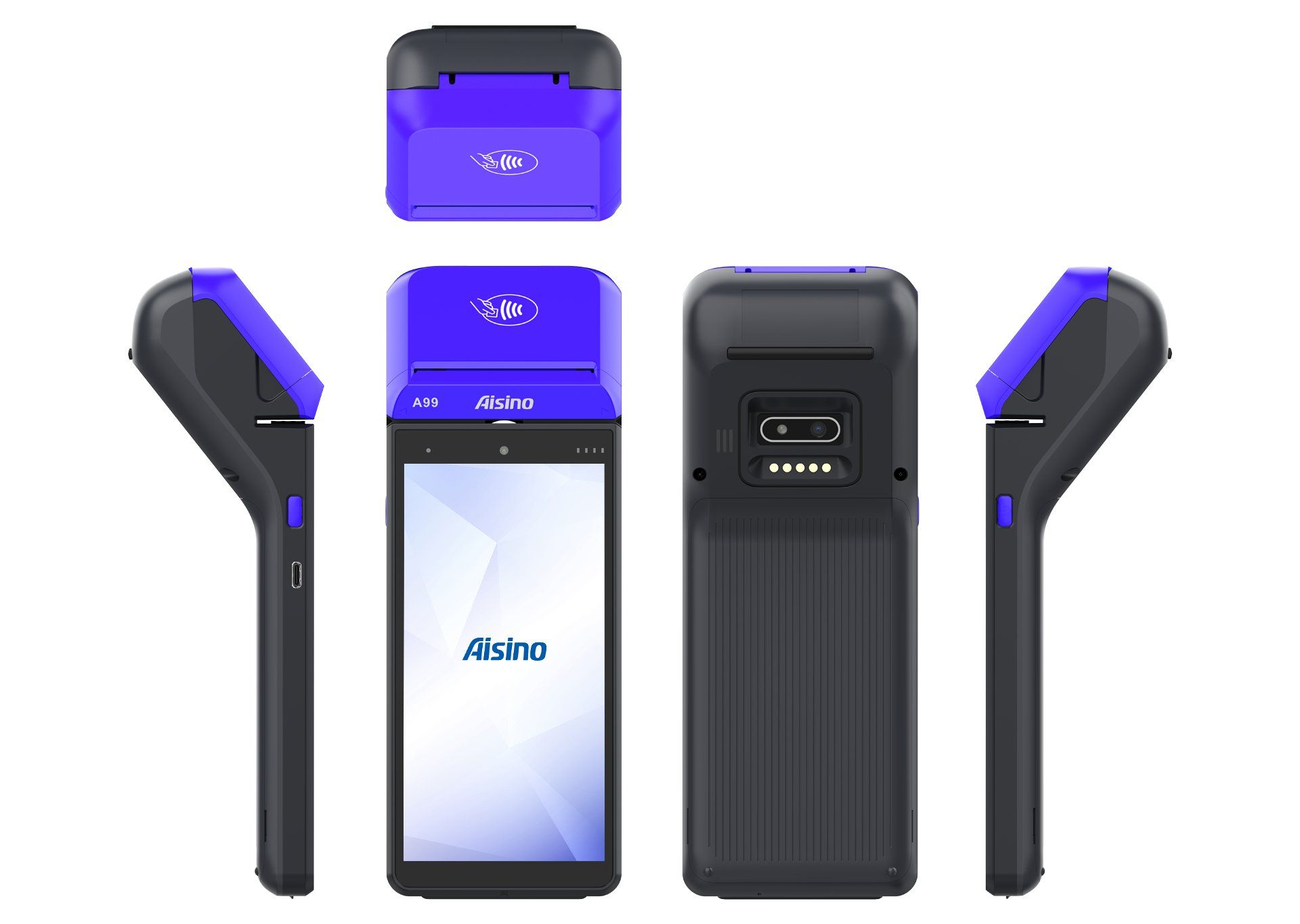
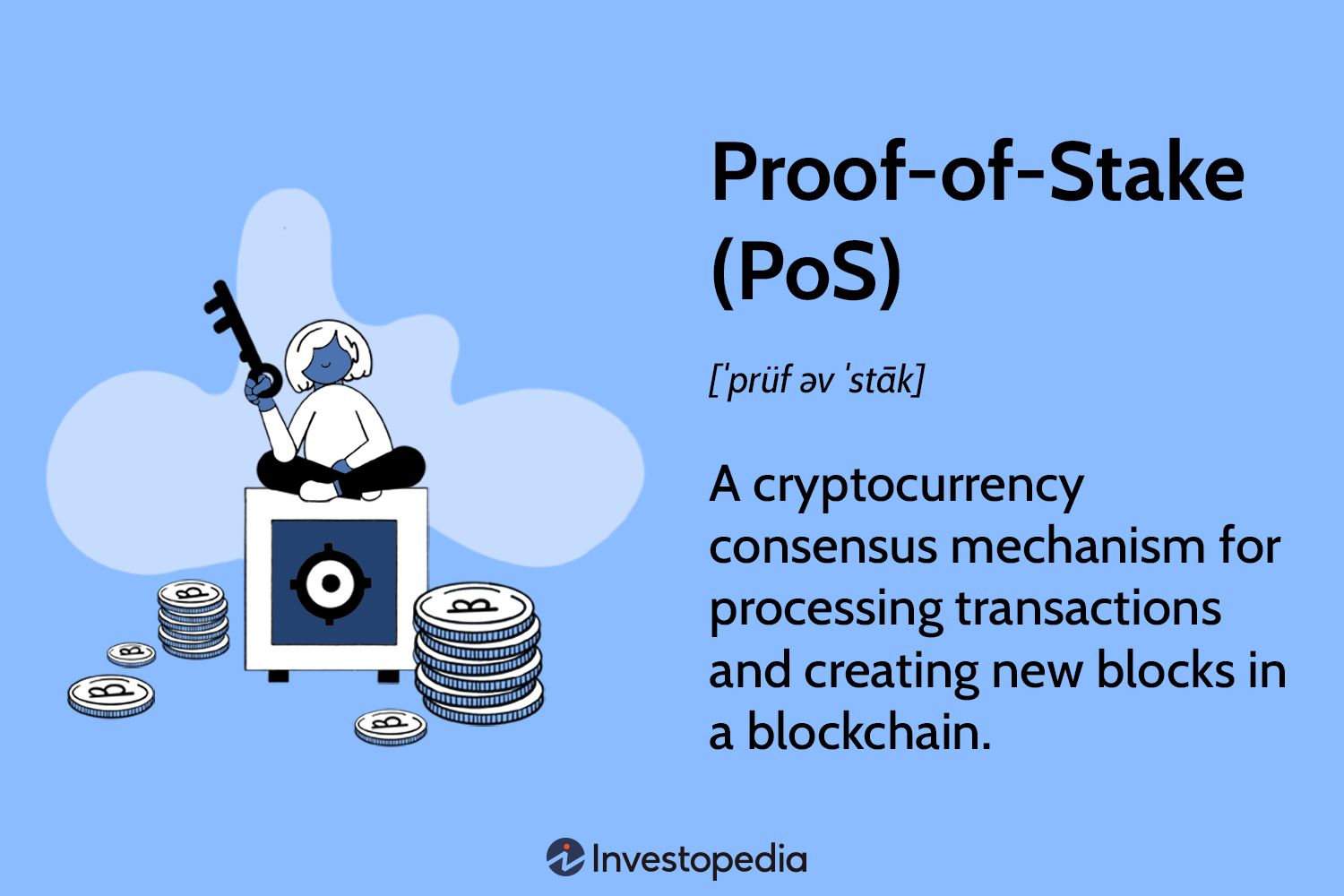
The term "crypto POS" creates an immediate cognitive collision. In retail, POS refers to Point-of-Sale hardware—the terminal where a customer taps a card. In blockchain, PoS refers to Proof-of-Stake, a consensus mechanism where validators secure the network. For merchants in 2026, the distinction is critical: you are not buying a blockchain validator node; you are buying a bridge that converts digital asset volatility into settled fiat currency.
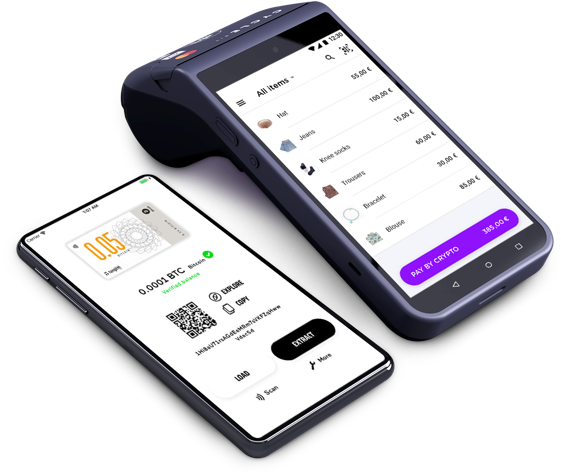
Modern crypto payment processing follows a four-step lifecycle designed to eliminate merchant risk. First, the customer initiates a payment via a QR code or NFC tap on a mobile wallet. Second, the POS terminal communicates with the payment processor’s API, locking in the exchange rate for a short window (typically 15-30 seconds). Third, the transaction settles on the underlying blockchain. Finally, the processor converts the crypto into fiat and deposits it into your business bank account. This flow ensures that while the customer pays in Bitcoin or Ethereum, your ledger reflects stable USD or EUR.
The speed of this conversion depends heavily on the blockchain’s volatility and settlement finality. During high-volatility periods, the spread between the locked rate and the final conversion can impact margins. Merchants must understand that the "instant" nature of crypto payments is an illusion managed by the processor’s liquidity pools, not the blockchain itself. To visualize the market conditions these systems navigate, consider the recent price action of Bitcoin, which dictates the liquidity depth available to processors.
Top crypto payment gateways compared
Selecting a crypto payment gateway requires balancing asset coverage, fee structures, and settlement speed. The right provider minimizes friction for merchants while ensuring liquidity for customers. Below is a direct comparison of five leading platforms: BitPay, NOWPayments, CoinGate, GoCrypto, and Triple A.
| Provider | Key Assets | Fees | Settlement |
|---|---|---|---|
| BitPay | BTC, ETH, USDC, LTC | 1% | Fiat (USD, EUR) |
| NOWPayments | 200+ (incl. USDC, Lightning) | 0.5% | Crypto or Fiat |
| CoinGate | BTC, ETH, USDT, LTC | 0.5% | Fiat or Crypto |
| GoCrypto | BTC, ETH, USDC | 1% | Crypto only |
| Triple A | BTC, ETH, USDC, SOL | 1% | Crypto only |
BitPay remains the industry standard for fiat settlement, offering a straightforward 1% fee for converting crypto to traditional currency. Its strength lies in regulatory compliance and integration with major e-commerce platforms, making it a safe harbor for established merchants. However, the fixed 1% fee is higher than several competitors, and it lacks native support for Layer 2 solutions like Lightning Network.
NOWPayments stands out for its breadth, supporting over 200 cryptocurrencies and offering the lowest fee at 0.5%. It allows merchants to choose between holding crypto or settling in fiat, providing flexibility for treasury management. This adaptability makes it ideal for businesses with global, diverse customer bases who prioritize asset variety over brand recognition.
CoinGate offers a competitive 0.5% fee and supports both fiat and crypto settlements, similar to NOWPayments. It provides a robust API and a wide range of payment methods, including mobile money in emerging markets. Its balanced approach makes it a strong contender for merchants seeking low fees without sacrificing settlement options.
GoCrypto and Triple A cater to merchants who prefer to remain entirely within the crypto ecosystem. Both charge a 1% fee and settle directly in cryptocurrency, avoiding the volatility and regulatory hurdles of fiat conversion. GoCrypto is simpler, focusing on core assets, while Triple A offers a broader selection including Solana (SOL), appealing to DeFi-native businesses.
Integrating USDC and Lightning for checkout
The primary friction in crypto payments remains volatility. When a customer pays in Bitcoin, the merchant assumes the risk that the asset’s value could drop before settlement. Integrating USDC and the Lightning Network removes this exposure. USDC provides price stability by pegging to the US dollar, while Lightning enables near-instant, low-fee micro-transactions that rival traditional card networks.
USDC functions as the settlement layer for price stability. By accepting USDC, merchants avoid the "crypto risk" associated with native Bitcoin or Ethereum payments. The asset does not fluctuate in value relative to the fiat currency it represents. This stability simplifies accounting and inventory management, allowing businesses to treat crypto payments with the same predictability as cash or credit card settlements.
Lightning Network addresses the speed and cost limitations of the base layer. For a multi-currency checkout system, Lightning allows merchants to accept Bitcoin without holding the asset. The payment settles on the Lightning network in seconds, and the merchant can immediately convert the incoming satoshis to USDC or fiat. This hybrid approach combines the liquidity of Bitcoin with the stability of stablecoins.
The strategic advantage lies in the combination of these technologies. USDC ensures the merchant receives the exact dollar amount agreed upon, while Lightning ensures the transaction completes before the customer leaves the counter. This integration is essential for high-volume, low-margin retail environments where traditional crypto settlement times are unacceptable.
Choosing the right merchant crypto solution
Selecting a crypto payment gateway requires balancing risk, liquidity, and technical overhead. The decision generally splits into two categories: fiat-settlement gateways that convert crypto to local currency instantly, and self-custody solutions that hold digital assets on-chain. Your choice depends on whether your priority is accounting simplicity or direct exposure to digital asset value.
Fiat-settlement gateways eliminate price volatility risk by converting transactions to stable currency immediately. This approach aligns with traditional accounting practices but introduces counterparty risk: you rely on the processor to handle the conversion and transfer funds. If regulatory pressure tightens, your liquidity may be frozen. Self-custody options retain exposure to asset appreciation but require active treasury management to hedge against market swings.
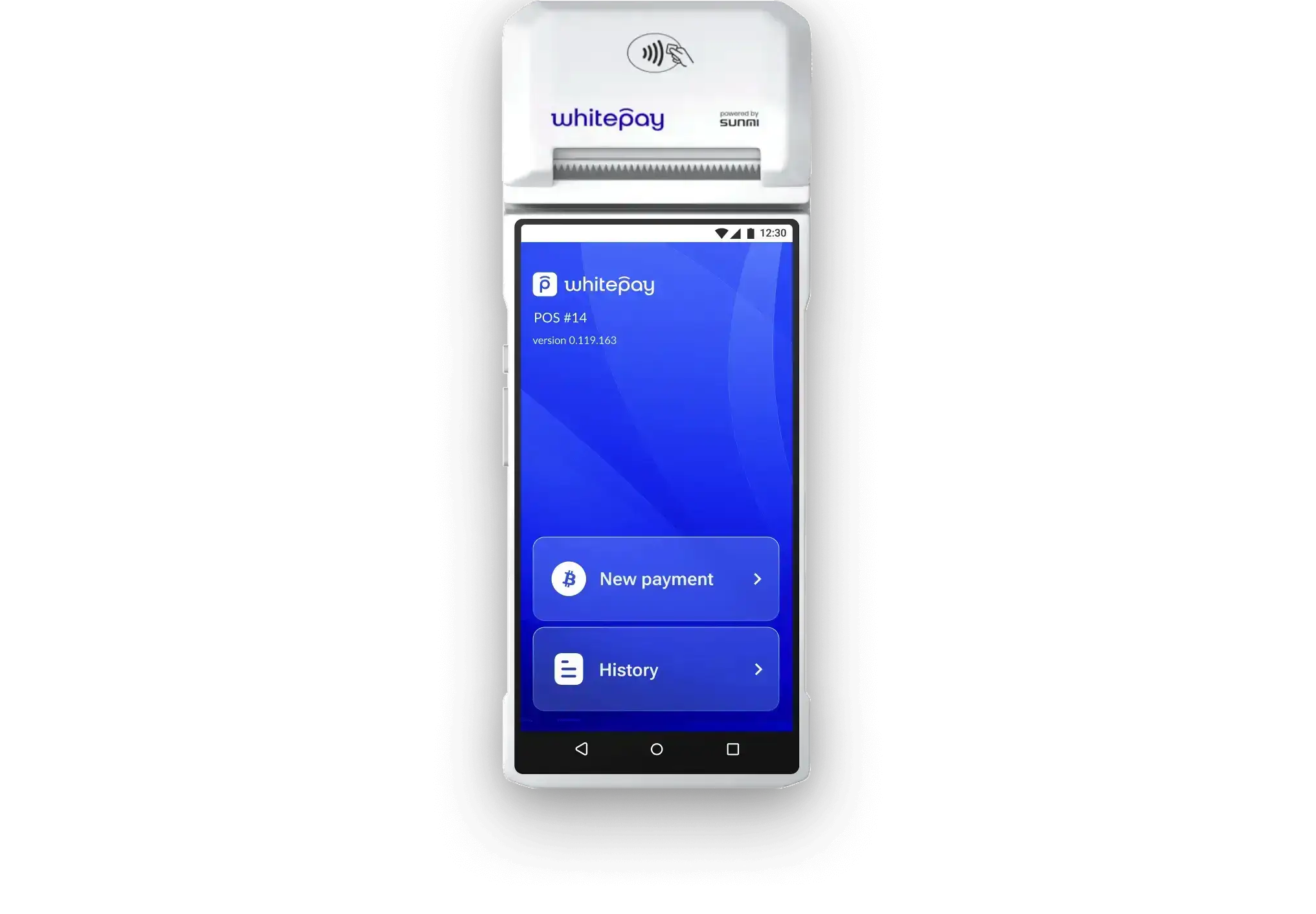
Technical integration varies significantly between providers. Modern gateways offer REST APIs and plugins for major e-commerce platforms, reducing development time. However, self-custody wallets often require custom node infrastructure or third-party API wrappers to manage private keys securely. Evaluate your engineering bandwidth; if you lack dedicated blockchain developers, a managed gateway is the safer operational choice to avoid security breaches.
Fee models differ beyond the standard 1-3% transaction cost. Fiat-settlement providers often charge higher processing fees to cover hedging costs. Self-custody options typically charge lower network fees but may impose withdrawal or conversion fees when you eventually cash out. Calculate the total cost of ownership, including the hidden cost of capital if you hold assets for extended periods during market downturns.
Regulatory scrutiny is increasing globally. Ensure your chosen solution provides robust KYC/AML tools and transaction monitoring. Fiat-settlement gateways usually handle compliance reporting, reducing your administrative burden. Self-custody solutions place the onus of regulatory adherence on you, requiring careful documentation of transaction sources and destinations to avoid legal penalties.
| Feature | Fiat-Settlement | Self-Custody |
|---|---|---|
| Volatility Risk | Low | High |
| Integration Effort | Low | High |
| Compliance Load | Low | High |
| Asset Exposure | None | Direct |
Frequently Asked Questions About Crypto POS
Will Bitcoin switch to Proof of Stake (PoS)? No. Bitcoin’s Proof of Work (PoW) consensus is foundational to its security and decentralization. Industry consensus and prediction markets indicate no migration to PoS is expected before 2035, preserving the current risk-reward profile for merchants accepting BTC.
Which cryptocurrencies are gaining traction for 2026? While Bitcoin remains the standard for retail, Ripple (XRP) is showing increased adoption among financial institutions and payment processors. Its speed and lower transaction costs make it a viable alternative for high-volume, low-margin retail environments seeking to minimize volatility risk.
Do I need to hold crypto to accept payments? No. Modern crypto POS systems, such as BitPay, allow merchants to settle transactions directly in fiat currency. This eliminates balance sheet exposure to crypto volatility while still offering customers the option to pay with digital assets, effectively bridging the gap between traditional finance and Web3.
No comments yet. Be the first to share your thoughts!