
How crypto POS systems work in 2026
In the current regulatory environment, the acronym "POS" in a merchant context refers exclusively to Point-of-Sale hardware and software infrastructure. This distinction is critical for compliance officers and legal teams to maintain, as it separates retail payment processing from blockchain consensus mechanisms like Proof-of-Stake. A crypto POS system functions as a specialized payment gateway that bridges traditional fiat accounting with decentralized digital asset ledgers.
The transaction flow for a merchant using a modern crypto POS terminal follows a standardized sequence designed to mitigate volatility and ensure auditability. When a customer initiates a payment in a supported cryptocurrency, the terminal does not typically hold the asset. Instead, it communicates with a payment processor that immediately executes a swap. The customer’s digital asset is converted into stablecoin or fiat currency, which is then settled into the merchant’s designated bank account or treasury wallet. This "instant conversion" model is the industry standard for 2026, as it removes balance sheet risk from the merchant.

Compliance with IRS guidelines and state money transmitter laws requires that this flow be fully documented. The POS terminal must generate a receipt that records the original crypto amount, the timestamp of the transaction, and the fiat equivalent at the time of settlement. This paper trail is essential for tax reporting and anti-money laundering (AML) checks. Merchants must ensure their POS provider supports this level of transparency, as opaque settlement processes can trigger regulatory scrutiny.
Lightning Network and stablecoins lead adoption
Retail cryptocurrency acceptance in 2026 has shifted decisively toward infrastructure that eliminates transactional friction. Merchants are prioritizing the Bitcoin Lightning Network for its near-instant settlement and negligible fees, which resolve the latency and cost barriers inherent to legacy on-chain Bitcoin transactions. This operational efficiency is critical for high-volume, low-margin retail environments where traditional credit card interchange fees remain a significant overhead.
Complementing speed, USDC provides the price stability required for compliant accounting and tax reporting. Unlike volatile altcoins, stablecoins pegged to the US dollar mitigate the risk of asset devaluation between the moment of sale and settlement. This stability simplifies reconciliation for finance teams and aligns with regulatory expectations for predictable revenue recognition, reducing the compliance burden associated with fluctuating digital assets.
The contrast with legacy Bitcoin is stark. Processing Bitcoin directly on the main chain often involves unpredictable confirmation times and fees that can exceed the value of small purchases. Similarly, holding volatile altcoins exposes merchants to market risk that can erode profit margins overnight. By leveraging Lightning for speed and USDC for stability, retailers achieve a payment experience that is both technically robust and financially secure.
Comparing top crypto payment processors
Selecting a processor requires balancing transaction costs, settlement speed, and regulatory compliance. The following comparison outlines the operational differences between BitPay, NOWPayments, and CoinGate, the three primary processors for 2026.
| Processor | Merchant Fees | Settlement Speed | Supported Assets | Fiat Payout |
|---|---|---|---|---|
| BitPay | 1% | Instant to 24h | BTC, ETH, USDC, DOGE | USD, EUR, GBP |
| NOWPayments | 0.5% - 0.8% | Instant | 100+ (incl. altcoins) | No direct fiat |
| CoinGate | 0.9% | 1-3 days | 70+ (incl. stablecoins) | USD, EUR, GBP |
BitPay remains the standard for enterprise-grade compliance, offering direct fiat settlement to bank accounts. Its 1% fee is higher than alternatives, but it provides the most robust audit trail for high-stakes legal environments. BitPay supports major assets like Bitcoin, Ethereum, and USDC, ensuring broad merchant acceptance without exposing the business to excessive altcoin volatility.
NOWPayments operates as a non-custodial gateway, charging lower fees (0.5%–0.8%) but settling directly in cryptocurrency. This model eliminates fiat payout delays but requires the merchant to manage crypto-to-fiat conversion separately. It is ideal for businesses that wish to hold digital assets or require support for a wider array of altcoins.
CoinGate offers a middle ground with 0.9% fees and direct fiat payouts to European and US banks. Settlement typically takes 1–3 days, which introduces slight cash flow lag compared to BitPay’s instant options. It supports over 70 assets, including stablecoins, making it a flexible choice for merchants with moderate volume and international banking needs.
Regulatory compliance and tax obligations
Accepting cryptocurrency introduces a layer of legal complexity that traditional fiat processing avoids. Merchants must adhere to a dual reporting framework: federal tax obligations set by the Internal Revenue Service (IRS) and state-level licensing requirements governed by money transmitter laws. Ignorance of these statutes does not exempt a business from liability.
IRS reporting and taxable events
The IRS treats cryptocurrency as property, not currency. This classification means every transaction involving crypto payments triggers a taxable event. When a customer pays in Bitcoin or USDC, the merchant must calculate the fair market value of the coin at the exact moment of the transaction. This value serves as the basis for determining gross income and any subsequent capital gains or losses if the asset is held before conversion to fiat.
Record-keeping is the primary defense against audit penalties. Merchants must document the date, time, USD value, and type of cryptocurrency for every sale. Automated POS systems often generate these logs, but manual verification is essential. The IRS expects transactions to be reported on Schedule C for sole proprietorships or the appropriate corporate tax forms. Failure to report crypto income can result in severe penalties, including back taxes, interest, and potential fraud charges.
Crypto payments are generally taxable events in the US, requiring careful record-keeping to ensure accurate reporting and compliance with IRS guidelines.
State money transmitter laws
Beyond federal taxes, state regulations impose significant operational hurdles. Most states classify businesses that transmit cryptocurrency as money transmitters. This designation requires obtaining a Money Transmitter License (MTL) in each state where the business operates. The licensing process involves rigorous background checks, net worth requirements, and ongoing compliance reporting.
Non-compliance with state MTL laws can lead to cease-and-desist orders, heavy fines, or criminal charges. Some states have introduced streamlined licenses for crypto-specific businesses, but the regulatory landscape remains fragmented. Merchants operating across state lines must track these varying requirements carefully. Consulting with legal counsel specializing in financial services is often necessary to ensure full compliance.
Chargeback protections and finality
One advantage of crypto payments is transaction finality. Unlike credit card networks, blockchain transactions cannot be reversed by the merchant or the network. This feature eliminates traditional chargeback fraud, protecting merchants from fraudulent disputes. However, this finality also means merchants bear the full responsibility for verifying transaction validity.
While chargebacks are not a concern, other risks remain. Smart contract vulnerabilities or wallet compromises can lead to irreversible losses. Merchants should implement robust security protocols, including multi-signature wallets and regular audits, to mitigate these risks. The absence of chargeback protection shifts the burden of fraud prevention entirely onto the merchant.
Market context and volatility
Regulatory compliance does not exist in a vacuum; it intersects with market volatility. Fluctuations in cryptocurrency prices can impact the USD value of pending transactions or held inventory. Merchants must decide whether to convert crypto to fiat immediately or hold it as an asset. This decision affects both tax liability and risk exposure.
Monitoring market trends helps merchants make informed decisions about when to settle transactions. Real-time data on major assets like Bitcoin can inform settlement strategies.
The interplay between regulatory requirements and market dynamics requires a proactive approach. Merchants who prioritize compliance and maintain accurate records are better positioned to manage the evolving crypto landscape. As regulations continue to develop, staying informed is crucial for long-term success.
Implementation checklist for retailers
Integrating a crypto point of sale requires strict adherence to financial regulations and operational stability. The following steps outline the mandatory workflow for deploying a compliant system that settles in fiat or stablecoins like USDC.

Choose a provider that holds necessary money transmitter licenses and offers instant fiat conversion. This eliminates balance sheet exposure to cryptocurrency volatility and ensures compliance with anti-money laundering (AML) standards. Providers like BitPay or NOWPayments handle the regulatory burden, allowing merchants to receive USD directly.
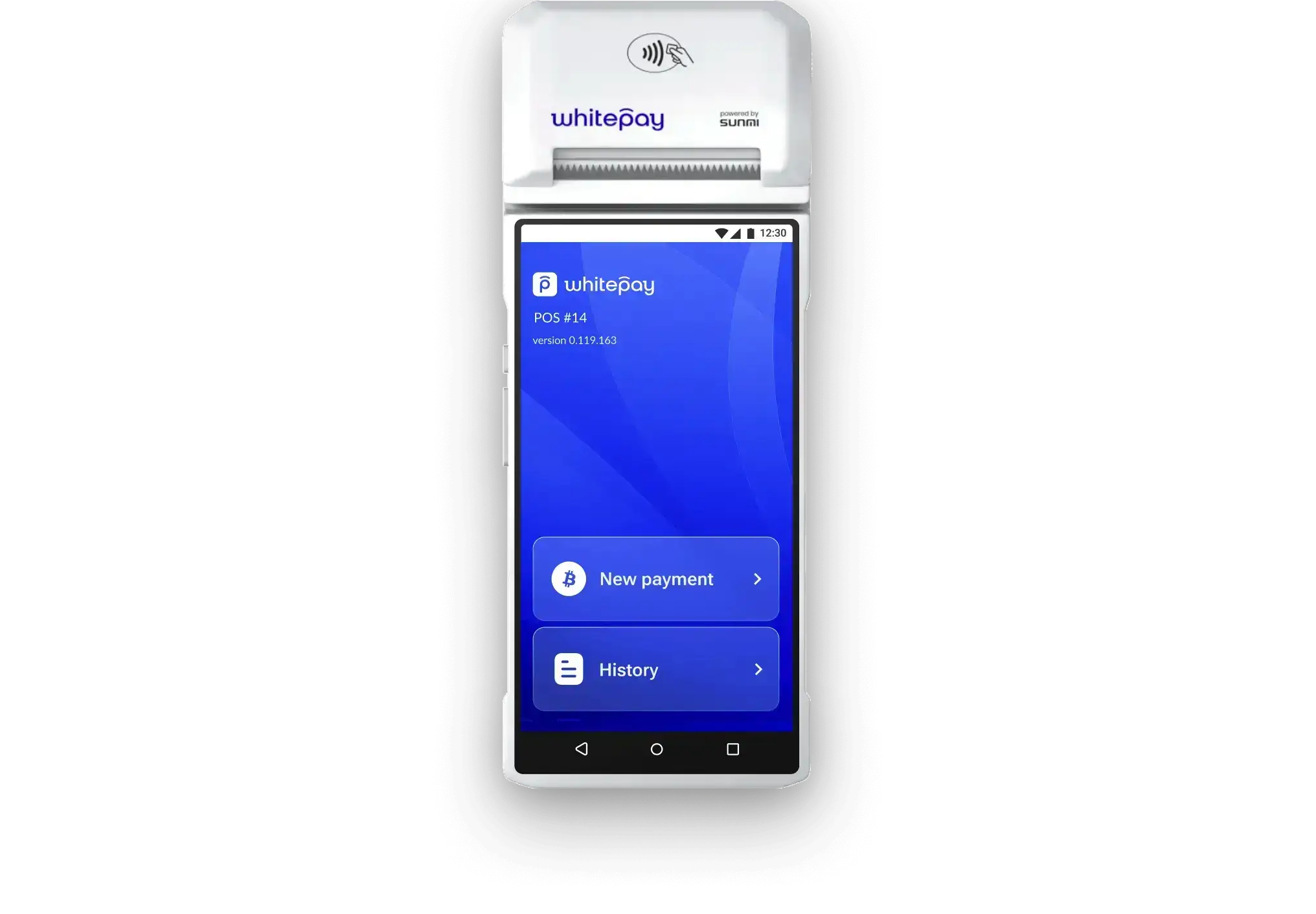
Install the hardware and enable Lightning Network capabilities for low-fee, instant Bitcoin transactions. Configure the software to auto-convert crypto to stablecoins or fiat at the moment of sale. This setup ensures that the merchant is insulated from market fluctuations while offering customers modern, fast payment options.

Conduct test transactions using small amounts to verify that the payment gateway, terminal, and accounting software communicate correctly. Confirm that funds settle in the designated bank account or stablecoin wallet within the expected timeframe. This step validates the end-to-end flow before accepting customer funds.

Integrate the POS data with accounting software to track cryptocurrency income as ordinary income at the fair market value of the transaction date. Ensure that sales tax is calculated on the fiat equivalent of the sale. Proper documentation is critical for IRS compliance and annual tax filings.

Educate employees on the physical payment process and the legal implications of crypto transactions. Staff must understand how to handle failed transactions, chargebacks (if applicable), and customer data privacy. Regular training ensures that the team adheres to the established security and compliance frameworks.
Common questions about retail crypto payments
Merchants accepting digital assets must address specific regulatory and operational requirements. The following addresses high-intent queries regarding tax compliance, network mechanics, and licensing.
For real-time market context, monitoring asset volatility is essential for risk management.
Stablecoins like USDC provide price stability but require strict adherence to KYC/AML standards. Always consult legal counsel to ensure your payment processor meets current regulatory standards.
No comments yet. Be the first to share your thoughts!