
Crypto POS 2026 market snapshot
The landscape for crypto POS systems in 2026 has shifted from experimental pilot programs to standard operational infrastructure. Retail analysts project that by the end of 2026, cryptocurrency payments will be a standard payment method in 15% of global brick-and-mortar establishments. This adoption is no longer driven by speculative investment but by the practical advantages of stablecoins and high-speed layer-2 networks for daily commerce.
Stability remains the primary driver for merchant adoption. USDC and other regulated stablecoins provide the price certainty required for bookkeeping and tax compliance, eliminating the volatility risk that previously deterred traditional retailers. Simultaneously, the Lightning Network has resolved throughput and cost barriers, enabling micro-transactions and instant settlement that match the speed of traditional card networks. This combination of stability and speed has made crypto POS systems a viable, low-friction option for high-volume retail environments.
Merchants are increasingly viewing digital asset acceptance not as a novelty, but as a competitive necessity. The infrastructure is now mature enough to support seamless integration with existing point-of-sale hardware, allowing businesses to offer crypto payments without disrupting their current operational workflows. This transition reflects a broader market maturation where regulatory clarity and technological reliability converge to support sustainable adoption.
Top crypto POS 2026 systems compared
Selecting a crypto POS system in 2026 requires balancing fee structures, asset support, and regulatory compliance. The market has consolidated around providers that offer instant fiat settlement or stablecoin routing, reducing exposure to volatility. For merchants, the choice often hinges on whether they prioritize broad asset acceptance or streamlined, low-friction integration with existing e-commerce platforms.
The following comparison evaluates leading providers based on transaction fees, supported cryptocurrencies, and settlement methods. These metrics reflect current market standards for 2026, where Lightning Network support and USDC stability are primary drivers for adoption.
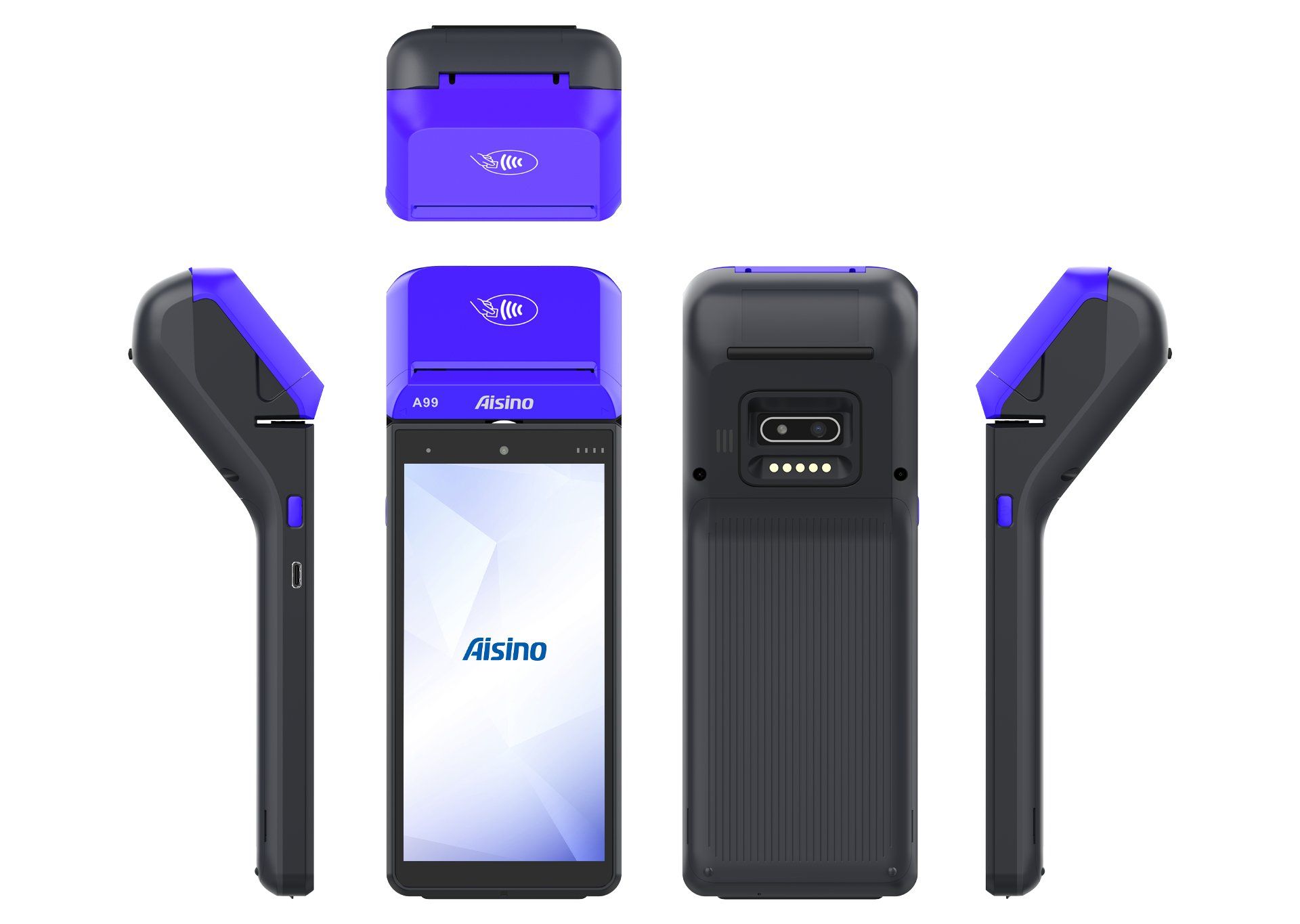
| Provider | Merchant Fees | Key Assets | Settlement | Integration Ease |
|---|---|---|---|---|
| BitPay | 1% | BTC, ETH, USDC | Fiat (Instant) | High (API/Plugins) |
| NOWPayments | 0.5% | 500+ (incl. Lightning) | Crypto or Fiat | Medium (API) |
| CoinGate | 0.9% | BTC, ETH, USDC, LTC | Fiat or Crypto | High (WooCommerce) |
| Bitrefill | Varies | BTC, Lightning | Gift Cards | Niche (Rewards) |
BitPay remains a dominant choice for established merchants due to its robust fiat settlement infrastructure, effectively eliminating crypto volatility risk. Its 1% fee is standard for traditional payment processors, but the reliability of USD settlement justifies the cost for high-volume retail. NOWPayments offers lower fees and broader asset support, including extensive Lightning Network capabilities, making it suitable for tech-savvy operators willing to manage some crypto exposure. CoinGate provides a middle ground with strong WooCommerce integration and flexible settlement options.
Stablecoins and Layer 2 Networks in Retail Terminals
By 2026, the integration of USDC and Lightning Network infrastructure into retail POS systems has shifted from experimental to operational necessity. This transition addresses the two primary friction points of traditional cryptocurrency payments: price volatility and transaction latency. While Bitcoin and Ethereum remain dominant in investment portfolios, their price fluctuations and network congestion make them less suitable for high-frequency, low-margin retail transactions. Stablecoins like USDC, pegged to the US dollar, and Layer 2 solutions like Lightning, which operate on top of Bitcoin, provide the stability and speed required for everyday commerce.
The primary advantage of using USDC in a retail environment is the elimination of volatility risk. Merchants can accept payments in a digital asset that maintains a consistent value relative to the US dollar, ensuring that the revenue from a sale is not eroded by market swings before the funds are settled. This stability simplifies accounting and tax reporting, as the transaction value is effectively equivalent to a fiat currency transaction. For merchants, this means they can offer crypto payments without taking on the speculative risk associated with holding non-stable digital assets.
Lightning Network technology complements this stability by enabling near-instantaneous settlement with negligible fees. Traditional blockchain transactions can take minutes or hours to confirm, which is unacceptable in a checkout line. Lightning transactions settle in seconds, allowing for a seamless customer experience similar to tapping a credit card. This speed, combined with the low cost of micro-transactions, makes it feasible for merchants to accept even small purchases without the transaction fees eating into their margins.
The combination of these technologies allows merchants to leverage the efficiency of blockchain technology while avoiding the pitfalls of traditional crypto markets. As regulatory frameworks around stablecoins continue to evolve, the use of USDC and Lightning in POS systems provides a compliant, efficient, and customer-friendly payment method. This approach is particularly relevant for businesses looking to attract tech-savvy consumers while maintaining operational simplicity and financial predictability.
Tax compliance and MSB registration
Accepting cryptocurrency introduces a layer of regulatory complexity that traditional fiat processing avoids. In 2026, the primary compliance burden for merchants lies in satisfying Financial Crimes Enforcement Network (FinCEN) requirements and managing IRS tax obligations on every transaction. Failure to navigate these frameworks correctly can result in significant penalties or the revocation of payment processing privileges.
MSB registration requirements
If your business converts cryptocurrency to fiat currency or facilitates the exchange of virtual currencies for third parties, you may be classified as a Money Services Business (MSB). FinCEN requires MSBs to register within 180 days of becoming a money transmitter. This registration is not optional; it is a federal mandate that triggers ongoing anti-money laundering (AML) and know-your-customer (KYC) obligations.
Merchants using instant fiat conversion gateways often fall under these rules because the gateway acts as the money transmitter on their behalf. However, if you hold crypto assets directly, the compliance weight shifts significantly. You must maintain robust transaction logs that capture the fair market value of the cryptocurrency at the exact moment of exchange. This data is essential for both regulatory audits and accurate financial reporting.
Tax implications and capital gains
The IRS treats cryptocurrency as property, not currency. This classification means that every time you accept crypto, you trigger a taxable event. If the value of the Bitcoin or Ethereum you accepted has appreciated since the block confirmation, you are liable for capital gains tax on that difference, even if you immediately convert it to fiat.
To mitigate this risk, many merchants in 2026 opt for instant settlement services that convert crypto to stablecoins like USDC or directly to fiat at the point of sale. While this eliminates volatility risk and simplifies tax reporting by providing a clear fiat basis, it does not eliminate the need for meticulous record-keeping. You must still document the transaction to prove the cost basis and the fair market value at the time of sale.
Compliance checklist for merchants
Navigating the legal landscape requires a systematic approach to documentation and registration. Ensure your operations align with the following critical steps:
- Register as an MSB: File FinCEN Form 107 if your business model involves currency exchange or transmission.
- Implement AML/KYC protocols: Use your POS provider’s built-in screening tools to verify customer identities where required.
- Automate transaction logging: Integrate tax software that captures timestamped fair market values for every crypto transaction.
- Consult legal counsel: Regulatory interpretations vary by jurisdiction; professional advice is necessary to ensure full compliance.
Market context
The shift toward compliance is driving adoption among major brands. As cryptocurrency payments become mainstream, businesses that integrate seamless, compliant POS systems gain a competitive edge. The following chart illustrates the volatility merchants must account for when calculating tax liabilities on crypto holdings.
Choosing the right crypto POS 2026
Selecting a payment processor requires aligning technical infrastructure with your specific compliance obligations. The decision hinges on three variables: business size, transaction volume, and regulatory jurisdiction. A system that works for a high-volume e-commerce store may fail a brick-and-mortar retailer due to latency or settlement speed.
Evaluate transaction volume and settlement speed
For high-volume merchants, Lightning Network support is no longer optional; it is the primary driver for adoption in 2026 due to near-instant finality and negligible fees. If your business processes dozens of transactions per hour, standard Bitcoin mainnet confirmations introduce unacceptable delay. Conversely, low-volume businesses may prioritize the stability of USDC settlements to minimize accounting complexity and volatility risk during the checkout window.
Match compliance features to jurisdiction
Regulatory scrutiny is intensifying. Your POS provider must offer robust KYC/AML integration and automated tax reporting capabilities. In the US, the ability to generate IRS-compliant 1099-K forms directly from transaction data reduces administrative burden. Ensure the provider supports your specific legal entity structure and offers clear audit trails for every fiat-onramp or off-ramp event.
Compare hardware and software requirements
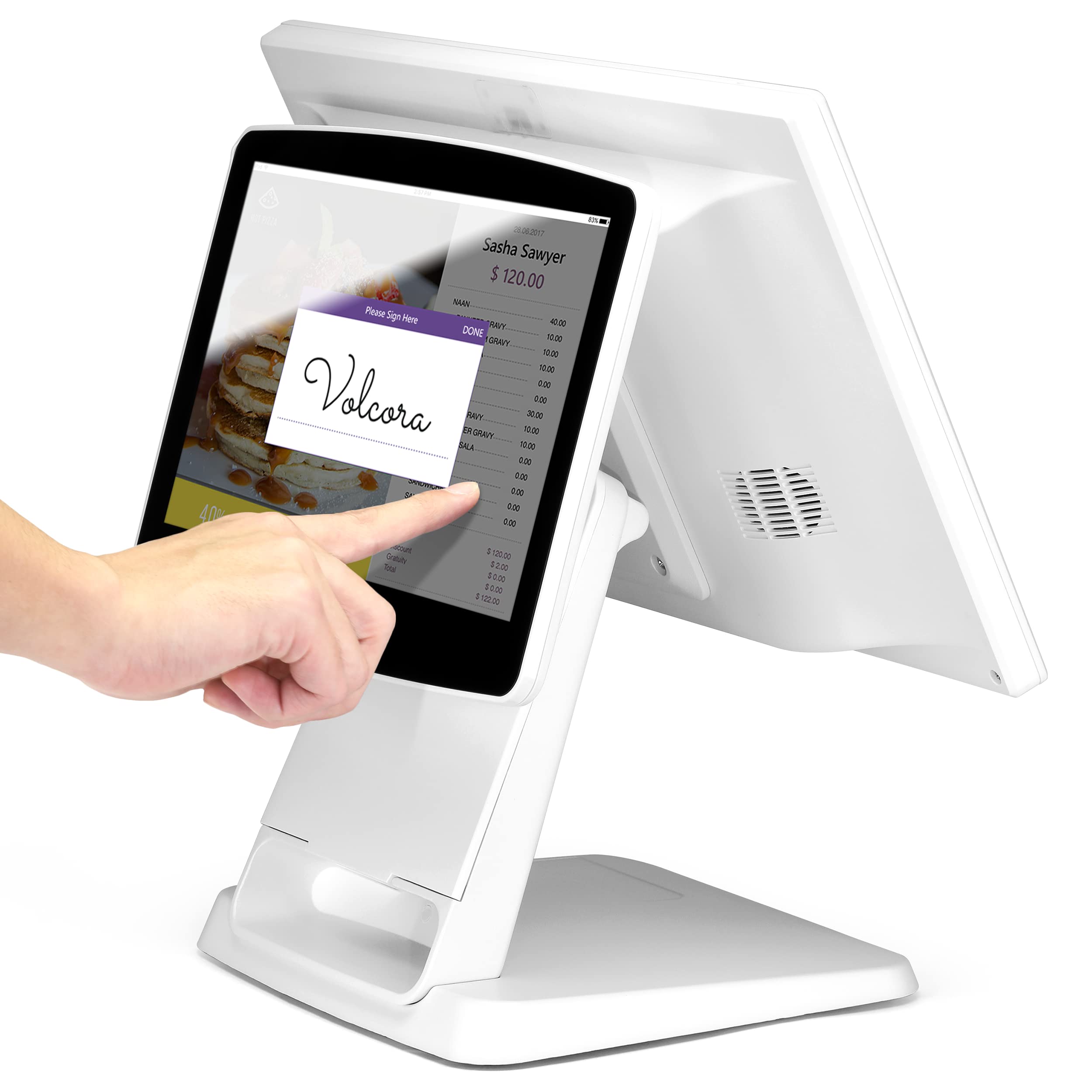
Physical terminals require durable hardware that integrates seamlessly with existing point-of-sale interfaces. Software-only solutions offer flexibility but may lack the security features of dedicated hardware wallets for cold storage management. Review the provider's API documentation to ensure your inventory and accounting software can communicate in real-time.
| Feature | High Volume | Low Volume |
|---|---|---|
| Settlement | Lightning/USDC Instant | BTC/ETH Standard |
| Compliance | Automated KYC/AML | Manual Review |
| Hardware | Dedicated Terminals | Software/API |

As an Amazon Associate, we may earn from qualifying purchases.
Frequently asked questions about crypto POS 2026
Do I need special hardware to accept cryptocurrency payments? Most modern POS systems integrate crypto payments via software gateways or standard NFC terminals. You typically do not need dedicated hardware unless you are processing high-volume physical tokens. The infrastructure relies on existing point-of-sale software updated to support stablecoin settlements like USDC or Lightning Network transactions.
How are crypto transactions taxed for my business? The IRS treats cryptocurrency as property, not currency. Each transaction is a taxable event, requiring you to record the fair market value in USD at the exact moment of sale. This applies even if you settle immediately in a stablecoin. Accurate record-keeping is mandatory for compliance with 2026 tax regulations.
Is using USDC safer than Bitcoin for daily sales? Yes. Stablecoins like USDC eliminate the volatility risk associated with Bitcoin or Ethereum. For merchants, this means the revenue recorded at the point of sale remains constant until settlement. This stability is a primary driver for 2026 adoption among brick-and-mortar retailers.
What happens if a blockchain transaction fails? Reputable crypto POS providers use automated settlement layers that confirm transactions before marking them as paid. If a transaction is rejected by the network, the POS system will not complete the sale. This prevents chargebacks and ensures you only accept confirmed funds.
Can I accept crypto without holding the digital asset? Yes. Most payment gateways offer instant conversion services. They settle your account in fiat currency or stablecoins within seconds, removing the need to manage private keys or exchange wallets. This simplifies accounting and reduces regulatory exposure.
No comments yet. Be the first to share your thoughts!