
Instant settlement changes merchant math
The defining shift in 2026 is not the adoption of blockchain technology itself, but the elimination of crypto volatility from the point of sale. For years, merchants faced a binary choice: accept digital assets and absorb the risk of overnight price swings, or stick to fiat and pay higher interchange fees. That trade-off has been resolved by instant stablecoin settlement, primarily using USDC on networks like Bitcoin’s Lightning Network or Ethereum Layer 2s.
This architecture allows a terminal to convert a customer’s USDC payment into a stable value immediately upon confirmation. The merchant never holds the volatile asset; the risk is transferred to the liquidity provider or absorbed by the protocol’s instant settlement layer. This mirrors the experience of traditional card processing, where the merchant receives guaranteed funds within one to two days, but with near-zero finality time and significantly lower network costs.
The math changes fundamentally when you remove the "crypto tax"—the spread and hedging costs merchants previously paid to protect against downside risk. According to BitPay, modern POS systems allow businesses to accept cryptocurrency without holding or managing the underlying asset, effectively turning digital currency into a frictionless fiat alternative. This removes the primary barrier to entry: the fear of holding a depreciating asset. Instead of treating crypto as a speculative investment, merchants now treat it as a settlement rail.
The contrast with broader market conditions highlights why this utility matters. While Bitcoin’s price action has shown bearish trends in early 2026, driven by post-halving cycles, the utility layer for commerce remains distinct. Merchants do not need to bet on the asset’s long-term appreciation to benefit from its payment infrastructure. They benefit from the efficiency of the settlement itself.
This decoupling of settlement stability from asset volatility is what makes 2026 a turning point. The technology is no longer about speculation; it is about operational efficiency. By leveraging Lightning or L2s for instant USDC settlement, merchants can access the speed and low cost of blockchain without the risk profile of the underlying tokens. This creates a viable, scalable path for crypto payments to move from niche adoption to mainstream retail integration.
Top crypto POS platforms compared
Selecting the right payment processor is a risk management decision as much as a technical one. In 2026, the gap between platforms is defined by settlement speed, fee structures, and chain support. The following comparison focuses on four leading providers: BitPay, NOWPayments, Coinbase Commerce, and GoCrypto.
BitPay remains the incumbent for high-volume merchants needing fiat conversion. Its strength lies in its mature infrastructure and extensive fiat withdrawal options, though this comes with stricter compliance requirements and higher fees for instant settlement. NOWPayments offers a broader multi-chain approach, supporting dozens of altcoins and stablecoins with lower fees, making it ideal for merchants targeting crypto-native customers who prefer holding assets. Coinbase Commerce provides a seamless integration for users already in the Coinbase ecosystem, offering zero fees on USDC settlements but limited fiat payout options compared to BitPay. GoCrypto focuses on simplicity and speed, offering a streamlined API for smaller businesses that prioritize ease of use over complex feature sets.
The choice often comes down to your settlement preference. If you need immediate fiat liquidity, BitPay or Coinbase Commerce (via partner integrations) are the safer bets. If you are comfortable holding crypto or converting via a secondary exchange, NOWPayments offers the most flexibility and lower costs.
| Provider | Fees | Settlement | Supported Chains | API Complexity |
|---|---|---|---|---|
| BitPay | 1% | 1-2 days | BTC, ETH, USDC, USDT | Medium |
| NOWPayments | 0.5% | Instant | 50+ (BTC, ETH, SOL, etc.) | Low |
| Coinbase Commerce | 0% (USDC) | Instant (USDC) | BTC, ETH, USDC, LTC | Low |
| GoCrypto | 1.5% | 1-3 days | BTC, ETH, USDC | Very Low |
AI tools streamline checkout flows
By 2026, AI has moved from novelty to necessity in crypto POS systems. The friction of manual currency conversion and manual tax reconciliation is gone, replaced by automated intelligence that processes transactions in milliseconds. This shift is critical for merchants accepting USDC, where speed and accuracy directly impact liquidity and compliance.
Dynamic currency conversion
Static exchange rates create immediate slippage for both merchants and customers. AI-driven dynamic conversion pulls real-time liquidity data from multiple decentralized exchanges, calculating the optimal rate at the exact moment of checkout. This reduces the risk of unfavorable exchange movements during the transaction window. The system locks the rate for the customer while ensuring the merchant receives the precise USD or USDC value agreed upon.
Fraud detection
Crypto transactions are irreversible, making fraud detection a high-stakes requirement. AI models analyze transaction patterns, device fingerprints, and behavioral biometrics to flag anomalies before settlement. Unlike traditional credit card fraud, which relies on chargebacks, crypto fraud prevention must happen pre-transaction. These systems identify suspicious wallet behaviors, such as rapid high-value transfers from new addresses, and can trigger additional verification steps or block the transaction entirely.
Automated tax reporting
Compliance with IRS regulations is complex when dealing with volatile assets. AI tools automatically categorize transactions, calculate capital gains or losses at the time of sale, and generate ready-to-file reports. This eliminates the need for manual tracking of each USDC transaction against fiat value. The system integrates with major accounting software, ensuring that every sale is recorded with the correct timestamp, value, and tax implications, reducing the risk of audits.

Compliance and tax tracking basics
Accepting USDC is no longer just a technical upgrade; it is a compliance obligation. The IRS treats cryptocurrency as property, meaning every transaction triggers a taxable event. For merchants, the stakes are high. A single unreported sale can trigger audits, penalties, and interest that far exceed the original tax liability. Modern POS systems must bridge the gap between blockchain transparency and IRS reporting requirements.
The core challenge is Form 1099-K generation. Payment processors are required to report transactions exceeding $600 in gross payments, regardless of the number of transactions. When you accept crypto, the settlement is immediate, but the record-keeping is often fragmented across wallets, exchanges, and payment gateways. Manual tracking is error-prone and unsustainable for growing volumes. Automated POS solutions solve this by capturing the fiat equivalent at the moment of sale and logging the hash for audit trails.
IRS guidance on virtual currencies is explicit: you must report all transactions involving the sale, exchange, or disposal of digital assets. This includes payments received in stablecoins like USDC. While the blockchain is public, the identity behind the wallet address is not always clear to the IRS without centralized exchange data. However, if your payment processor collects KYC data, that link exists. Relying on manual spreadsheets to reconcile these events is a liability. You need a system that automatically calculates cost basis, gains, or losses for each transaction and prepares the data for 1099-K filing.
The risk of non-compliance is amplified by the IRS’s expanded information reporting regime. The agency has increased funding for blockchain analytics and enforcement. Businesses that fail to report crypto income face the same penalties as those who underreport cash income, but with the added complexity of proving the value of digital assets at the time of transaction. Automated compliance tools are not optional; they are essential for risk management.
Choosing the right gateway for your store
Your payment gateway determines whether you absorb volatility or pass it to the customer. The decision rests on two variables: your risk tolerance and your customer base. You must choose between fiat-conversion gateways and native crypto holding processors.

Fiat-conversion gateways like BitPay settle in USD immediately. You accept USDC or Bitcoin, but your bank account receives dollars. This eliminates price risk and simplifies accounting. It is the standard choice for brick-and-mortar retailers who cannot manage crypto balance sheets. BitPay allows you to accept cryptocurrency without holding or managing it, reducing operational complexity.
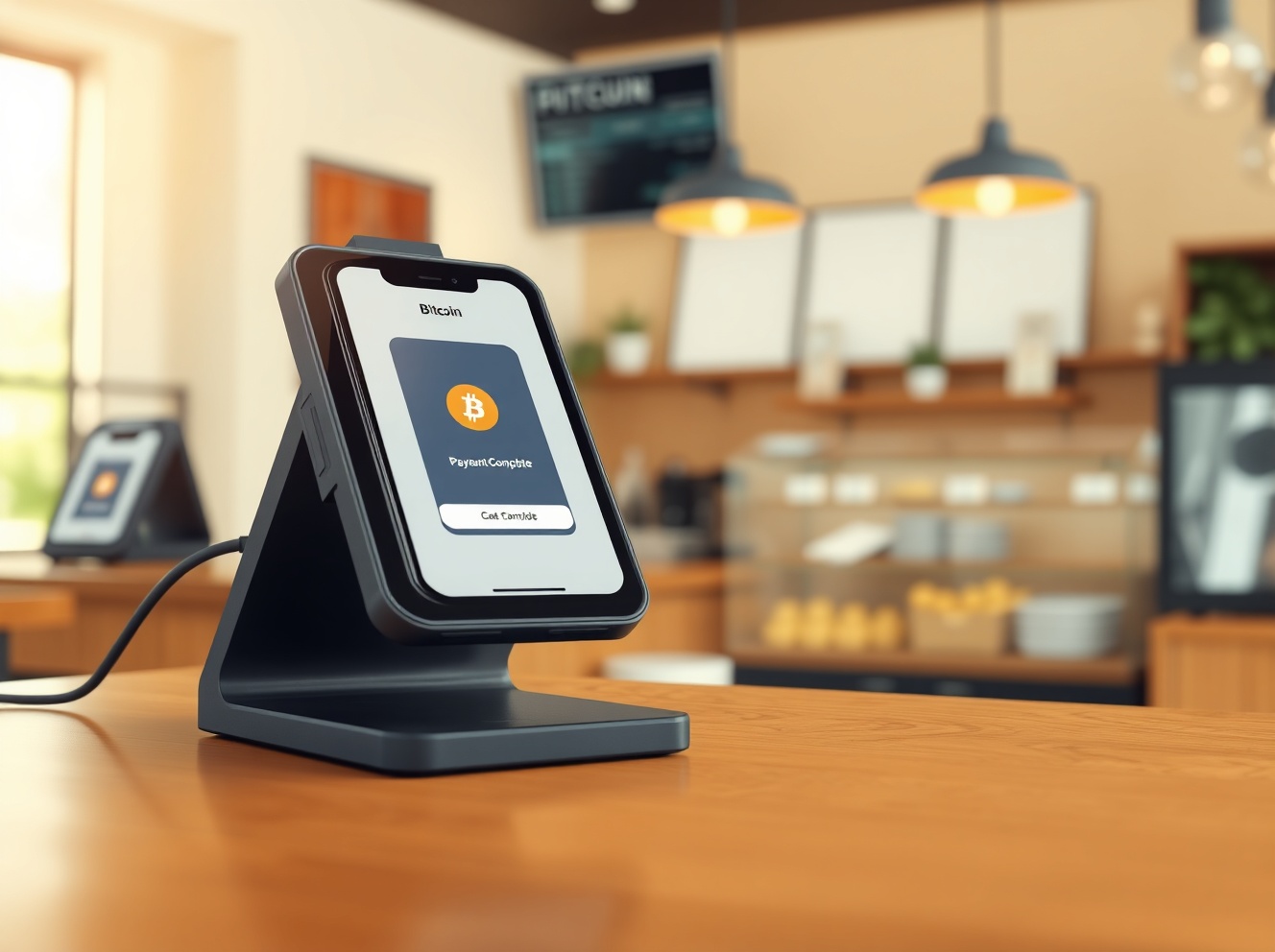
Native processors like NOWPayments or GoCrypto settle directly in crypto. You retain exposure to the asset. This model works best if your customers are already crypto-holders who prefer not to convert to fiat. You avoid the conversion fees charged by fiat gateways, but you assume the responsibility of managing crypto assets and reporting them for taxes.

Before committing, verify the provider’s API documentation and compliance support. US merchants must navigate IRS reporting requirements. If you choose native holding, ensure your accounting software can track daily crypto valuations. For fiat conversion, confirm that the provider handles the necessary KYC/AML checks on the backend.
The right gateway aligns with your business model. Fiat conversion offers safety and simplicity. Native holding offers lower fees and crypto-native alignment. Test both with small transactions before scaling.
No comments yet. Be the first to share your thoughts!