
Why crypto terminals replace cards in 2026
The economics of payment processing are shifting under the weight of persistent interchange fees. For small businesses, traditional credit card processors typically charge between 2.9% and 3.5% plus a fixed per-transaction fee, a cost structure that erodes thin margins on low-ticket items. In contrast, crypto payment gateways often charge between 0.5% and 1%, offering a significantly lower cost of capital for every sale completed.
Beyond the fee differential, the speed of settlement fundamentally changes cash flow management. Traditional card networks require 2-3 business days for funds to clear and land in a merchant’s bank account, creating a lag that can strain operations. Crypto terminals settle transactions on the blockchain in minutes, with many gateways offering instant fiat conversion to eliminate volatility risk. This immediacy allows businesses to access working capital when the sale occurs, rather than waiting for intermediary banks to process the ledger.
The transition is not merely about cost savings but about financial autonomy. By bypassing the traditional card network rails, merchants reduce their dependency on third-party financial institutions that can freeze accounts or retroactively charge back transactions. As payment infrastructure evolves, the ability to accept digital assets directly becomes a strategic advantage, aligning small business operations with the faster, cheaper reality of modern finance.
How crypto payments work at the register
When a customer scans a QR code or taps their phone, the transaction follows a path that keeps your business safe from market volatility. The process begins at the point of sale, where the terminal or payment gateway detects the digital asset. Rather than holding the cryptocurrency, the system immediately routes the payment to a liquidity provider or exchange. This step triggers an automatic conversion into your local fiat currency, such as USD or EUR, which is then settled into your business bank account. This instant fiat conversion is the core mechanism that allows merchants to accept digital assets without assuming the risk of price swings.
Speed and cost are determined by the underlying network used for the transfer. For high-volume, low-value transactions, many modern systems leverage the Lightning Network or stablecoins like USDC. These methods bypass the congestion of legacy blockchains, offering near-instant confirmation times and fractions of a cent in fees. In contrast, settling directly on the Bitcoin mainnet or Ethereum layer-1 can take minutes and incur variable gas costs that may exceed the profit margin on small purchases. Choosing the right network layer is essential for maintaining a smooth checkout experience.
The financial infrastructure supporting these transactions mirrors traditional credit card processing but with greater transparency. Merchants pay a flat processing fee rather than percentage-based interchange fees, and the settlement timeline is predictable. Understanding this flow helps business owners evaluate whether a crypto POS system aligns with their operational needs. The technology removes the friction of currency conversion for the customer while providing the stability of fiat for the merchant.
Top crypto payment gateways compared
Choosing the right crypto payment gateway requires balancing transaction fees, supported assets, and settlement speed. For small businesses, the difference between a 1% fee and a 2% fee compounds quickly, while the ability to settle directly in fiat protects margins from volatility. The following comparison highlights five leading providers for 2026, focusing on the metrics that impact daily operations.
Fee structures and settlement options
Transaction costs vary significantly based on payment method and currency. Most providers charge between 0.5% and 2.9%, with additional network fees for on-chain settlements. Settlement speed is equally critical; instant fiat settlement eliminates exchange risk, while crypto-to-crypto settlement exposes the merchant to market fluctuations unless a stablecoin is used.
Supported assets and integration complexity
The range of supported cryptocurrencies affects customer reach. Bitcoin and Ethereum remain standard, but stablecoins like USDT and USDC are increasingly preferred for their price stability. Integration difficulty ranges from simple plugins for e-commerce platforms to custom API implementations for specialized point-of-sale hardware. Providers that offer universal checkout links often provide the easiest onboarding for non-technical merchants.
Provider comparison
The table below compares the core operational metrics of the top five crypto payment gateways. Data reflects standard merchant pricing tiers as of early 2026.
| Provider | Standard Fee | Key Assets | Settlement | Ease of Use |
|---|---|---|---|---|
| NOWPayments | 0.5% | BTC, ETH, USDT, 200+ altcoins | Crypto or Fiat | API & Plugins |
| Coinbase Commerce | 1% | BTC, ETH, USDC, LTC | Crypto only | Easy (Plugin) |
| BitPay | 1% | BTC, ETH, USDC, DOGE | Fiat or Crypto | Moderate (API) |
| CoinGate | 0.5% | BTC, ETH, 70+ coins | Fiat or Crypto | Easy (Plugin) |
| Stripe Crypto | 1% + network | BTC, ETH, USDC, LTC | Fiat only | Easy (Stripe) |
Choosing the right fit
If you operate a high-volume e-commerce store, Stripe Crypto offers the most seamless integration with existing payment flows, settling directly to your bank account. For merchants seeking lower fees and broader asset support, NOWPayments and CoinGate provide competitive 0.5% rates and extensive coin libraries. Businesses requiring strict fiat settlement to avoid volatility should prioritize BitPay or Coinbase Commerce, though Coinbase limits settlement to crypto holdings unless you use their exchange services.
For context on the underlying assets, here is the current market performance for Bitcoin, the most widely accepted cryptocurrency for these transactions.
Best hardware for in-store crypto sales
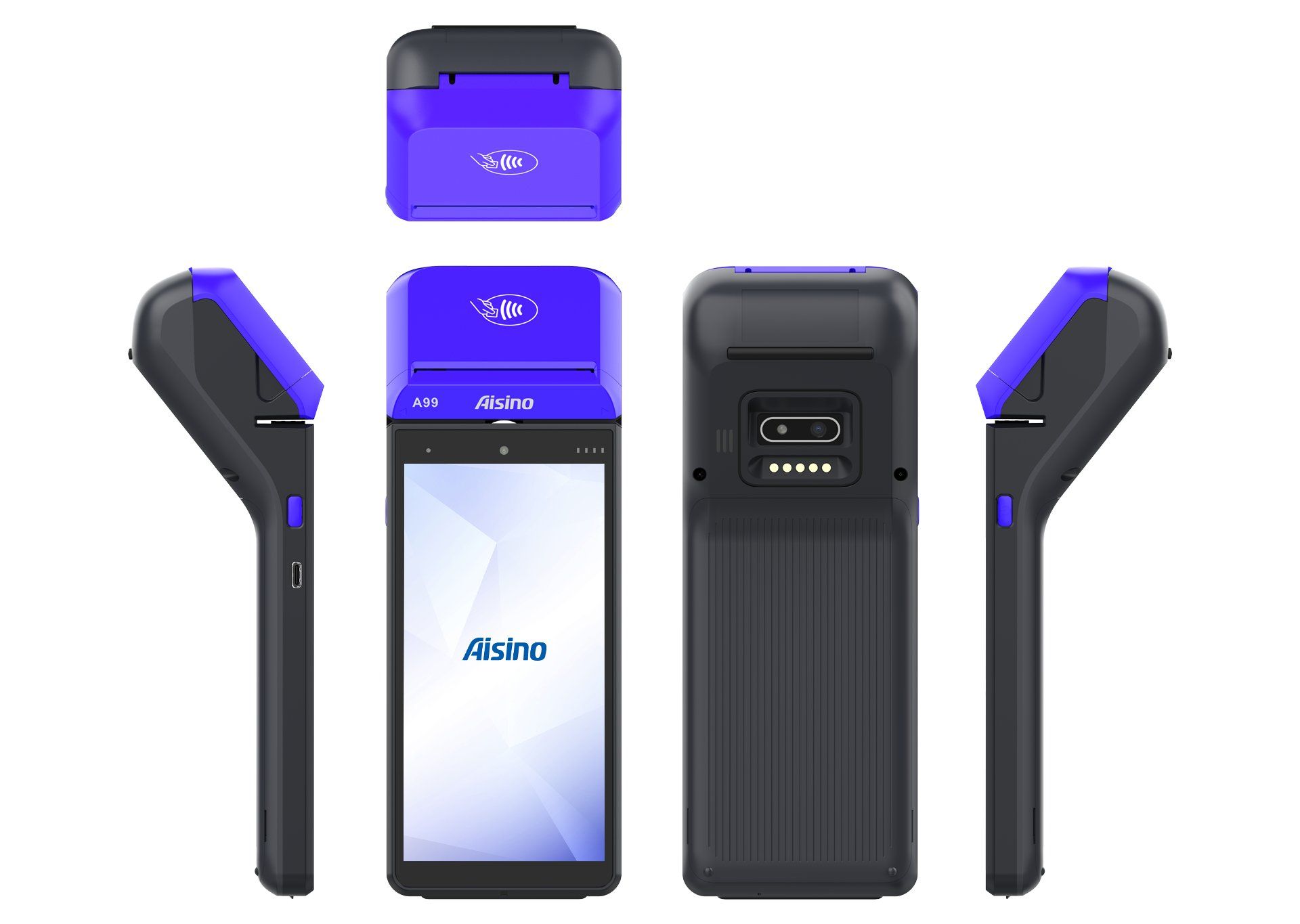
Physical terminals bridge the gap between digital assets and physical retail. For small businesses, the right hardware simplifies the checkout process, allowing customers to pay with QR codes or NFC without the merchant needing to manage private keys or volatile balances.
Dedicated crypto payment terminals
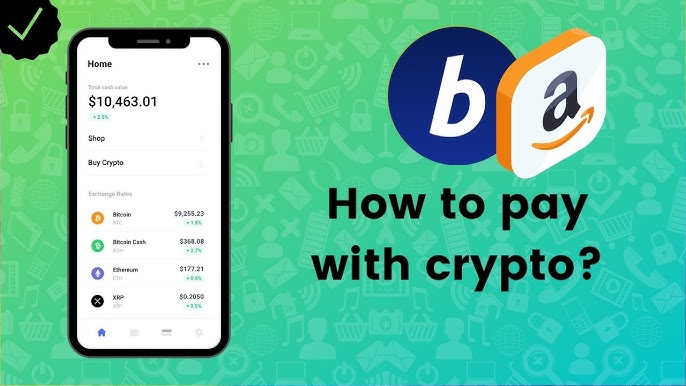
Dedicated terminals like those integrated with BitPay offer a streamlined experience. These devices connect to your existing POS system or operate independently, handling the conversion from cryptocurrency to fiat currency instantly. This setup eliminates the need for the merchant to hold crypto, reducing exposure to market volatility while keeping transaction fees lower than traditional card processors.
Mobile card readers and QR scanners
For businesses with lower volume or mobile operations, a mobile card reader paired with a QR code scanner is often sufficient. This approach leverages existing smartphone infrastructure. The customer scans a QR code on the merchant's screen or a printed receipt, or taps their wallet via NFC. This method is cost-effective and requires minimal upfront hardware investment.



As an Amazon Associate, we may earn from qualifying purchases.
Market trends and price volatility risks
Accepting cryptocurrency introduces a unique financial risk: price volatility. Unlike fiat currency, which retains relative stability, crypto assets can swing dramatically in value over the course of a single business day. For small businesses operating on thin margins, this unpredictability can turn a profitable sale into a loss if the asset is held too long before settlement.
The industry response has been a decisive shift toward stablecoins. By pegging transaction values to fiat currencies like the US dollar, stablecoins offer the speed and low cost of blockchain without the price risk. This transition allows merchants to accept digital payments while maintaining predictable revenue streams, effectively neutralizing the primary barrier to crypto adoption.
To visualize the difference between traditional crypto exposure and stablecoin utility, compare the price action of Bitcoin against a major stablecoin over the last year.
The contrast is stark. While Bitcoin charts show significant volatility, stablecoins remain anchored to their peg. This stability is why most modern POS gateways now prioritize stablecoin processing for merchant settlements, ensuring that your sales revenue isn't eroded by market swings before you can convert it to fiat.
Checklist for switching to crypto POS
Moving to a crypto POS system requires more than just installing hardware; it demands a clear migration plan to avoid revenue loss during the transition. Follow these steps to ensure your switch is secure, compliant, and operationally sound.
Map every transaction point in your current setup. Identify where crypto payments will replace fiat or card processing, noting any integration gaps with your existing accounting software or inventory management systems.
Choose a provider that offers automatic settlement in your local currency. This eliminates volatility risk, ensuring that a customer’s Bitcoin payment converts to stable fiat immediately, protecting your margins from market swings.
Ensure your chosen provider adheres to local financial regulations, including KYC (Know Your Customer) and AML (Anti-Money Laundering) requirements. Consult official guidelines from your region’s financial authority to confirm your operational legality.
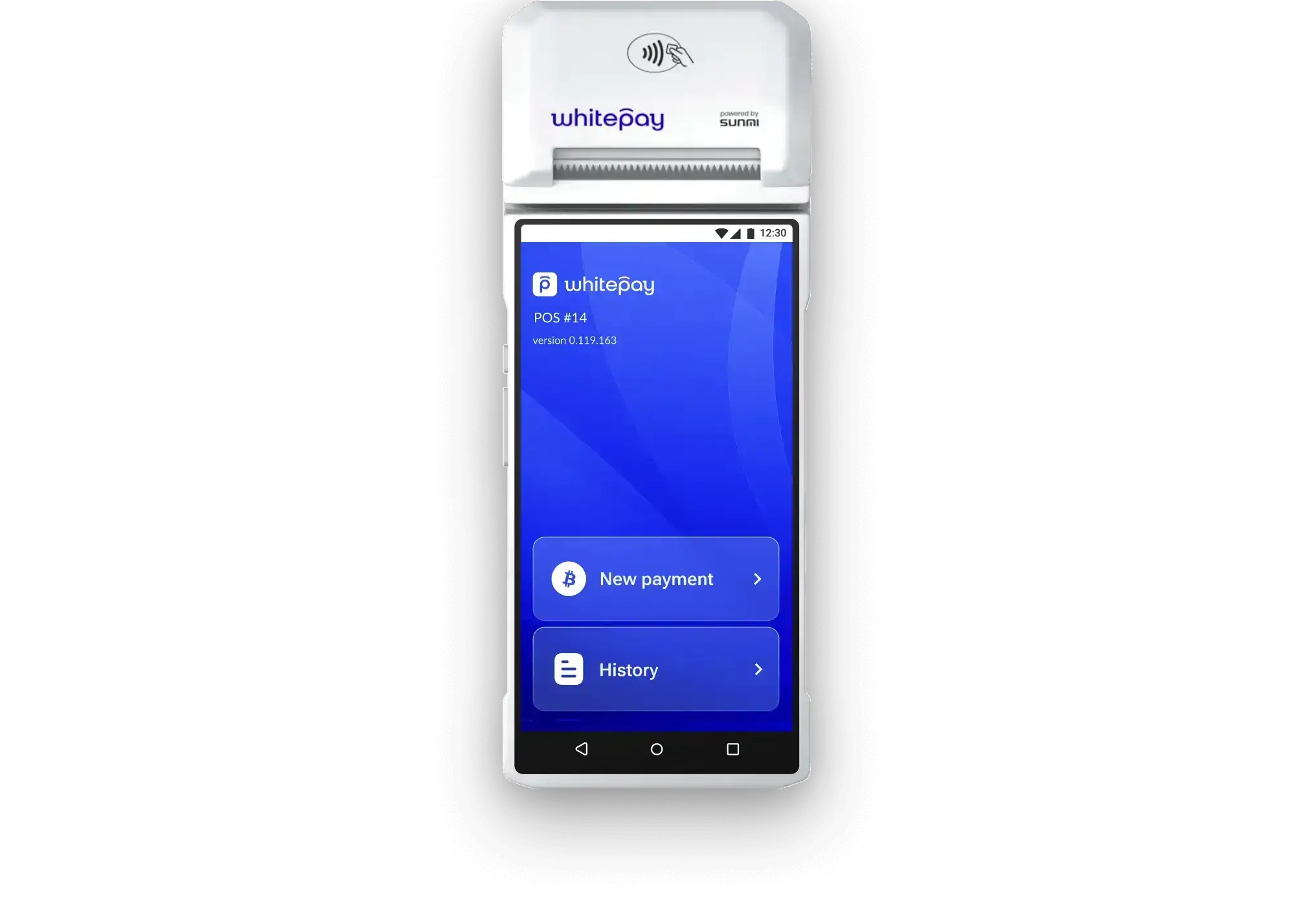
Install the necessary POS terminals or software plugins. Test the integration thoroughly by processing small test transactions to verify that receipts, logs, and customer data sync correctly with your backend systems.
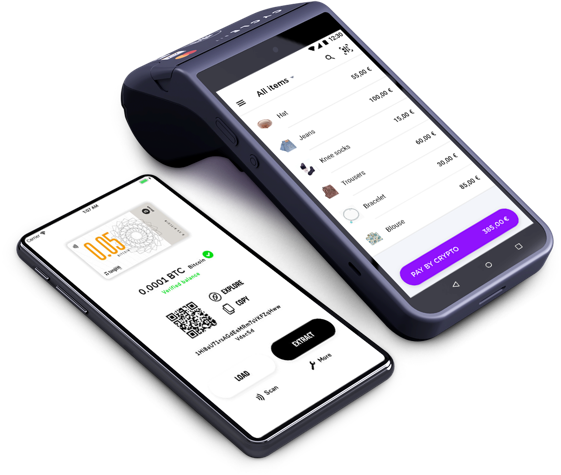
Educate your team on how to process crypto payments, handle customer questions, and troubleshoot common issues. Clear training reduces friction at the point of sale and ensures a smooth customer experience.
Go live with a soft launch, monitoring transaction success rates and customer feedback. Adjust settings based on real-world data before fully rolling out the new system to all locations or channels.
Frequently asked questions about crypto POS
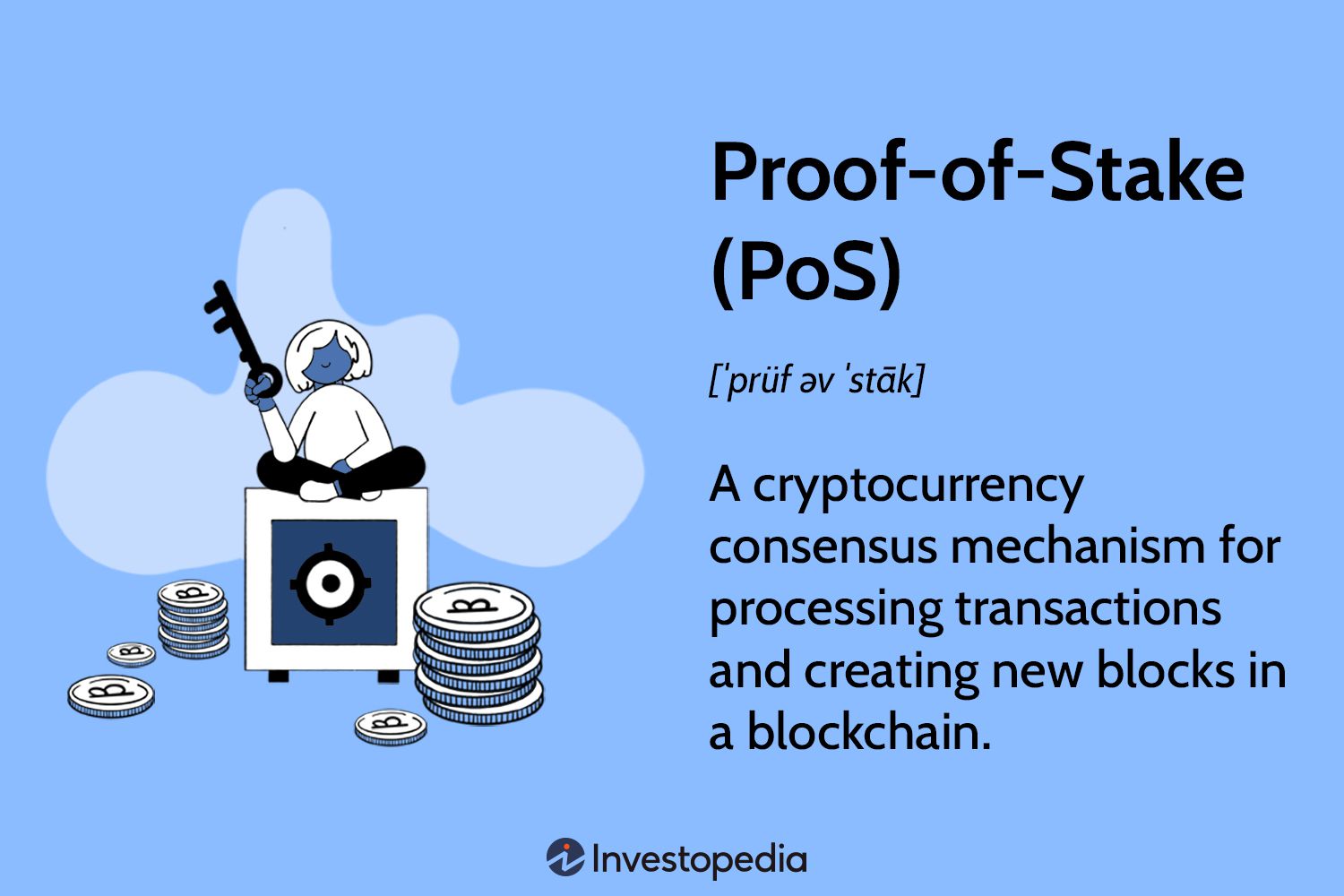
Will Bitcoin switch to Proof-of-Stake (PoS)?
No. Proof-of-Work (PoW) is core to Bitcoin’s value proposition. A migration to Proof-of-Stake is not expected before 2035, if it happens at all. For small businesses, this means Bitcoin POS systems will continue to rely on PoW settlement layers rather than staking mechanisms.
Is crypto trading worth it in 2026?
For merchants, the focus is shifting from speculation to utility. The user experience for consumer applications is massively improving, and blockchain-based identity verification is reaching wider understanding. This makes integrating crypto payments more practical than treating it as a speculative asset class.
Which cryptocurrencies are best for POS adoption?
While Ripple (XRP) is gaining adoption among financial institutions, Bitcoin and Ethereum remain the primary standards for retail POS. Merchants should prioritize coins with high liquidity and low transaction fees to avoid margin erosion. Stablecoins are also becoming a preferred option for price stability.
Will Bitcoin hit $150,000 in 2026?
Price predictions vary, but some analysts suggest $150,000 is attainable if institutional interest and macro conditions hold. However, POS integrations should not be based on price speculation. Focus on transaction volume and fee structures rather than short-term market movements.
How do I accept crypto payments securely?
Use a reputable gateway that offers instant fiat conversion. This protects your business from volatility. Ensure your POS terminal supports major coins and provides clear settlement reports for accounting purposes.
No comments yet. Be the first to share your thoughts!