
The shift to instant stablecoin settlement
The defining feature of crypto POS 2026 is the elimination of asset volatility risk for merchants. In previous cycles, accepting Bitcoin or Ethereum meant holding a digital asset that could lose value between the moment a customer tapped their card and the moment the merchant reconciled their books. The modern infrastructure removes this exposure entirely. By routing transactions through stablecoins pegged to fiat currencies, the system allows merchants to accept digital payments while receiving immediate, predictable value in their operating accounts.
This shift is not merely about speed; it is about risk management powered by artificial intelligence. AI-driven settlement layers monitor transaction patterns in real-time, automatically converting incoming stablecoin payments into fiat or holding stablecoin reserves with near-zero latency. This process ensures that the merchant’s revenue remains stable regardless of broader market fluctuations. The technology effectively decouples the speed and low cost of blockchain settlement from the price instability that previously made crypto payments unattractive for brick-and-mortar retail.
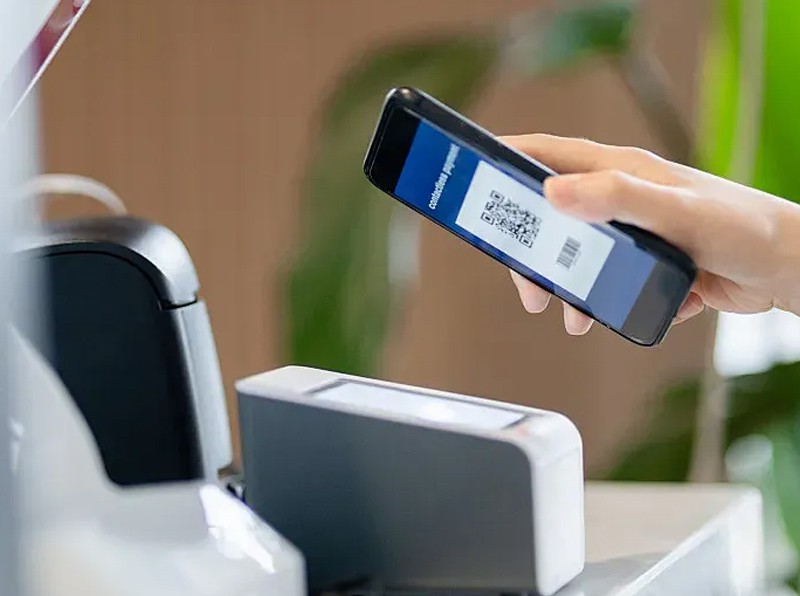
The result is a payment experience that feels identical to traditional card processing but operates on a decentralized ledger. Customers pay with digital wallets or QR codes, and the backend AI handles the complex routing and conversion. For the merchant, this means lower transaction fees compared to traditional credit card networks and the ability to accept global payments without currency conversion hurdles. The barrier to entry has shifted from technical complexity to simple integration, making crypto POS 2026 a practical utility rather than a speculative novelty.
How AI payment processing reduces merchant risk
The primary barrier to crypto adoption for legacy retail has always been volatility and fraud. In 2026, AI-driven payment processing transforms these liabilities into manageable operational variables. By integrating machine learning directly into the point-of-sale (POS) layer, merchants can accept digital assets with the same risk profile as traditional credit cards, but without the exposure to price swings or chargebacks.
AI acts as an automated risk manager for every transaction. Instead of relying on static rules, modern crypto POS systems use real-time behavioral analysis to detect anomalies. If a transaction deviates from a customer’s typical spending pattern or originates from a high-risk jurisdiction, the AI flags it instantly. This dynamic routing ensures that only verified, low-risk transactions proceed to the blockchain, significantly reducing the incidence of fraudulent chargebacks that plague traditional e-commerce.
Beyond fraud detection, AI handles the complex compliance checks required by global financial regulations. Automated systems scan transactions against updated sanctions lists and monitor for money laundering patterns in real time. This automation allows legacy retailers to onboard crypto payments without building expensive, in-house compliance teams. The result is a streamlined workflow where AI handles the heavy lifting of security and regulatory adherence, making crypto a viable, low-risk option for mainstream retail.
This shift is critical for the 2026 market landscape. As consumer demand for digital payment options grows, merchants who leverage AI to mitigate risk will capture market share from those still relying on manual or outdated crypto processing methods. The technology no longer just facilitates payment; it actively safeguards the merchant’s bottom line.
Top crypto POS platforms for 2026
Choosing the right crypto POS 2026 solution depends on how quickly you need funds in your bank account and which digital assets your customers prefer. The market has shifted from simple Bitcoin acceptance to complex settlement layers that handle AI-driven fraud detection and multi-currency liquidity.
The following comparison highlights five leading providers based on their fee structures, supported assets, and settlement speeds.
| Provider | Base Fees | Settlement Speed | Key Assets |
|---|---|---|---|
| BitPay | 1% + $0.10 | 1-2 business days | BTC, ETH, USDC, USDT |
| NOWPayments | 0.5% | Instant to 24h | 150+ coins |
| CoinGate | 0.9% | Instant (auto-convert) | BTC, ETH, LTC, XMR |
| BTCPay Server | 0% (self-hosted) | On-chain (10-60m) | BTC, Liquid BTC |
| Coinbase Commerce | 1% | Instant (to Coinbase) | BTC, ETH, USDC, LTC |
BitPay remains a dominant force for established retailers due to its robust hardware integration and instant fiat conversion options. While its fees are slightly higher than some competitors, the reliability of its settlement infrastructure reduces operational risk for high-volume merchants. For those prioritizing cost efficiency, NOWPayments offers one of the lowest base rates in the industry, supporting over 150 cryptocurrencies, though settlement times can vary depending on the blockchain network congestion.
Self-hosted solutions like BTCPay Server provide complete control and zero platform fees, but they require technical expertise to maintain security and node synchronization. Coinbase Commerce is ideal for merchants already embedded in the Coinbase ecosystem, offering seamless integration but limiting withdrawal options to the Coinbase platform unless manual transfers are executed. When selecting a provider, verify that their AI settlement tools can automatically flag suspicious transaction patterns before finalizing the fiat conversion, as this feature is becoming standard for fraud prevention in 2026.
Crypto POS 2026: Adoption Trends and Real-World Use Cases
By 2026, the conversation around crypto POS 2026 has shifted from experimental pilots to embedded infrastructure. Merchants are no longer asking if they should accept digital assets; they are deciding how to handle the settlement layer. The integration of AI-driven settlement mechanisms has removed the volatility friction that previously stalled retail adoption, allowing businesses to treat crypto payments with the same operational ease as traditional card networks.
The most visible adoption is occurring in global e-commerce and travel sectors. Major platforms and travel aggregators now offer crypto checkout options at scale, processing millions in transaction volume. These integrations rely on AI settlement engines that instantly convert incoming crypto to stablecoins or fiat, shielding the merchant from price swings while preserving the lower transaction fees. This capability has turned crypto payments from a novelty into a competitive advantage for customer acquisition.
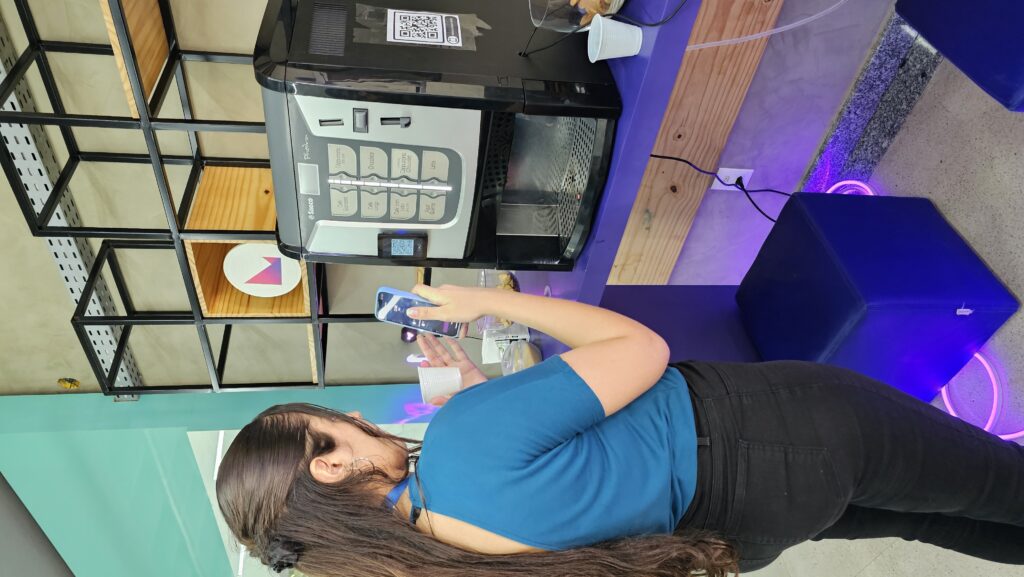
Local service providers are also embracing this technology. From independent coffee shops to high-end automotive dealerships, the use of crypto POS 2026 systems is becoming a standard feature of the customer experience. The AI layer handles compliance, tax reporting, and currency conversion in the background, meaning the merchant never needs to manage a wallet or understand blockchain mechanics. This seamless backend processing is what has finally made crypto payments viable for small and medium-sized enterprises.
The trend is not limited to large corporations. A growing network of small businesses is adopting crypto POS 2026 solutions to reduce cross-border payment fees and attract international tourists. These merchants benefit from immediate liquidity and reduced chargeback risks, thanks to the immutable nature of blockchain transactions combined with AI fraud detection. As the infrastructure matures, the distinction between traditional fiat payments and crypto payments is blurring, with the latter offering superior speed and cost efficiency for global commerce.
Choosing the right crypto POS for your business
Selecting a crypto POS provider in 2026 requires balancing technical integration with regulatory safety. The best systems reduce friction for both merchants and customers while ensuring compliance with local financial regulations. Focus on three core areas: how easily the POS connects to your existing stack, how quickly funds settle, and whether the provider adheres to current compliance standards.
Modern crypto POS systems must integrate seamlessly with your current point-of-sale hardware and accounting software. Look for providers offering robust APIs and pre-built plugins for popular e-commerce platforms like Shopify or WooCommerce. Avoid solutions that require extensive custom development, as these increase maintenance costs and potential points of failure.
AI-driven settlements in 2026 often offer near-instant conversion to fiat or stablecoins, reducing exposure to crypto volatility. Verify that the provider supports the specific cryptocurrencies your customers prefer and offers flexible settlement options. Faster settlement times improve cash flow and minimize the risk of price fluctuations before funds reach your bank account.

Compliance is non-negotiable. Ensure the provider is registered with relevant financial authorities and adheres to anti-money laundering (AML) and know-your-customer (KYC) regulations. Check for additional security features like two-factor authentication (2FA) and encryption standards to protect both your business and your customers' data.
| Feature | Basic POS | AI-Enhanced POS |
|---|---|---|
| Settlement Speed | 1-3 Business Days | Instant to 24 Hours |
| Currency Support | Limited (BTC/ETH) | Multi-Coin + Stablecoins |
| Integration | Manual/API | Plug-and-Play Plugins |
| Compliance | Standard KYC | Automated AML Screening |
Frequently asked questions about crypto POS 2026
How do crypto POS systems work for merchants in 2026?
Modern crypto POS systems act as an intermediary between the customer's digital wallet and your bank account. When a customer pays with Bitcoin or Ethereum, the system instantly converts the asset into your local fiat currency (USD, EUR, etc.) and settles it to your business account. This instant fiat conversion eliminates the risk of holding volatile digital assets, allowing you to run a standard retail operation without managing blockchain transactions directly.
Is accepting cryptocurrency legal for businesses in 2026?
Yes, accepting cryptocurrency is legal in most major jurisdictions, provided you comply with local tax and anti-money laundering (AML) regulations. The regulatory landscape has matured significantly, with clear guidelines emerging in the US, EU, and Asia. However, "legal" does not mean "unregulated." You are still required to report these transactions for tax purposes and ensure your POS provider is KYC-compliant to avoid penalties.
What are the fees for using AI-powered crypto POS terminals?
Fees typically range from 1% to 3% per transaction, which is often comparable to or lower than traditional credit card processing fees (2.9% + $0.30). The "AI" component in 2026 POS systems refers to automated fraud detection and dynamic routing of transactions to the lowest-fee blockchain network, not a change in the fee structure itself. Some providers offer tiered pricing where high-volume merchants pay significantly less.
Do I need technical knowledge to set up a crypto POS?
No. Modern crypto POS terminals are designed for plug-and-play simplicity. You do not need to manage private keys, run a node, or understand blockchain mechanics. The hardware looks and functions like a standard card reader, and the software handles all the complex backend settlement processes. Most setups can be completed in under 15 minutes.
Which cryptocurrencies are most widely accepted?
Bitcoin (BTC) and Ethereum (ETH) remain the most widely accepted digital assets due to their liquidity and brand recognition. However, many 2026 POS systems also support stablecoins like USDC and USDT, which are increasingly popular for their price stability. Accepting a mix of major cryptocurrencies and stablecoins ensures you capture the widest possible customer base.
No comments yet. Be the first to share your thoughts!