
Why retailers accept crypto in 2026
The business case for a crypto POS 2026 strategy has shifted from experimental novelty to operational necessity. Retailers are adopting digital asset payments not merely to signal innovation, but to solve persistent friction in traditional commerce: high processing fees, slow settlement times, and the risk of chargebacks. By integrating providers like BitPay and Coinbase Commerce, merchants can bypass the 2-3% interchange fees associated with credit cards, retaining margin that is often eroded by third-party payment processors.
Beyond cost savings, accepting crypto opens a distinct demographic of high-spending, tech-native consumers who prefer decentralized finance. Unlike traditional bank transfers that may take days to clear, blockchain settlements are often near-instant, improving cash flow for small businesses. While the broader market experiences volatility—with Bitcoin showing bear-market-like price action since late 2025—stablecoin integration allows merchants to receive payments in a predictable value, mitigating the risk of sudden asset depreciation.
This shift is particularly relevant in 2026, where regulatory clarity in major markets has reduced compliance uncertainty. Retailers no longer need to navigate a gray area; they can implement crypto POS systems with confidence, knowing that major processors offer robust compliance tools. The result is a payment infrastructure that is cheaper, faster, and accessible to a growing segment of the global population that holds assets outside the traditional banking system.
How crypto POS terminals work
A crypto POS system in 2026 acts as a bridge between blockchain networks and traditional retail accounting. When a customer scans a QR code at checkout, the transaction is broadcast to the relevant blockchain. The POS terminal then communicates with a payment gateway to confirm the payment. This flow ensures the merchant receives funds without needing to manage private keys or complex wallet security.
The most critical decision for retailers is whether to hold the digital asset or convert it immediately. Systems like BitPay offer auto-conversion, where the gateway swaps the incoming cryptocurrency for fiat currency or stablecoins like USDC before settling in the merchant’s bank account. This approach eliminates price volatility risk, allowing businesses to treat crypto payments similarly to credit card transactions. Conversely, merchants who choose to hold the crypto retain exposure to market fluctuations, which can be advantageous in bull markets but risky during downturns.
Technical integration relies on API connections between the POS hardware and the gateway’s servers. The terminal displays the exact amount in local currency, while the backend handles the complex conversion logic. This separation of concerns means staff only need to verify the payment confirmation on the screen, streamlining the checkout experience.
Best crypto payment gateways for 2026
Choosing the right crypto payment gateway is the backbone of any modern retail operation. For merchants, the goal is to accept digital assets without the headache of volatility or complex code. The best crypto POS 2026 solutions act as invisible intermediaries, settling transactions in stable currencies while allowing customers to pay with Bitcoin, Ethereum, or major stablecoins.
Below are the top four providers dominating the market this year. Each offers a distinct approach to integration, fees, and asset support.
BitPay
BitPay remains the industry standard for large-scale merchants who prioritize reliability and brand recognition. As one of the longest-running payment processors, it offers robust fraud protection and extensive accounting integrations. BitPay supports a wide range of cryptocurrencies, including Bitcoin, Ethereum, and several stablecoins, ensuring broad customer acceptance.
The platform is known for its "settlement in fiat" feature, which automatically converts crypto payments into USD, EUR, or GBP, shielding retailers from market volatility. While its fee structure is competitive, it is generally higher than some newer competitors, reflecting the enterprise-grade infrastructure and compliance tools it provides.
Coinbase Commerce
Coinbase Commerce appeals to merchants who want to leverage the trust associated with the Coinbase brand. It is a non-custodial solution, meaning funds go directly to the merchant’s wallet, giving them full control over their assets. This setup is ideal for crypto-native businesses that want to hold their own Bitcoin or Ethereum rather than converting to fiat immediately.
Integration is straightforward for developers, with well-documented APIs and plugins for major e-commerce platforms. Coinbase Commerce supports over 100 tokens, including major Layer-2 solutions, making it a versatile choice for retailers looking to accept a diverse array of digital currencies without managing multiple providers.
NOWPayments
NOWPayments is designed for simplicity and global reach, making it a favorite among small to medium-sized businesses. It supports more than 100 cryptocurrencies and offers a "fixed-rate" option, allowing merchants to lock in the exchange rate at the moment of purchase to avoid post-transaction losses. This feature is particularly valuable in volatile market conditions.
The platform’s interface is user-friendly, requiring minimal technical knowledge to set up. It offers a wide variety of payment methods, including crypto cards and payment links, which extends its utility beyond traditional point-of-sale terminals. Fees are transparent and generally lower than traditional payment processors, encouraging adoption among price-sensitive retailers.
CoinGate
CoinGate combines ease of use with advanced features like mass payouts and a built-in crypto wallet. It is particularly strong in supporting emerging markets and alternative coins, making it a flexible option for retailers with a global customer base. CoinGate also offers a "CoinGate Wallet" that allows merchants to hold, send, and receive crypto assets seamlessly.
The platform provides detailed analytics and reporting tools, helping merchants track sales and customer behavior across different digital assets. Its fee structure is competitive, and it offers instant settlement options for supported fiat currencies, balancing the speed of crypto with the stability of traditional banking.
| Gateway | Fees | Supported Coins | Settlement |
|---|---|---|---|
| BitPay | ~1% + fiat conversion | BTC, ETH, 15+ stablecoins | Instant fiat or crypto |
| Coinbase Commerce | 0% platform fee (network fees apply) | 100+ tokens | Direct to wallet |
| NOWPayments | 0.5% - 1% | 100+ cryptocurrencies | Fixed-rate or instant |
| CoinGate | ~1% | 80+ cryptocurrencies | Instant fiat or crypto |
Hardware and terminal options
Choosing the right physical infrastructure is the first step in deploying a crypto POS 2026 solution. Retailers generally choose between two distinct paths: dedicated standalone terminals or software-based setups using existing mobile devices. The decision hinges on your transaction volume, security requirements, and whether you prefer a self-custody model or a managed gateway.
Standalone crypto terminals
Dedicated terminals, such as those powered by BTCPay Server, offer a high degree of control and privacy. These devices operate independently, often running on Linux, and allow merchants to accept payments directly without routing funds through a third-party processor. This setup is ideal for retailers who prioritize non-custodial security and want to avoid the risk of a centralized exchange freezing funds. However, these systems require more technical expertise to set up and maintain, including managing server updates and hardware compatibility.
Software-based QR solutions
For most small to medium retailers, a software-based approach is more practical. Using a tablet or smartphone with a dedicated crypto POS app transforms existing hardware into a payment terminal. These solutions typically rely on QR code scanning, which is fast and familiar to customers. The primary advantage is ease of use; there is no complex server configuration, and the software handles the conversion to fiat or stablecoins automatically. This method is particularly effective for pop-up shops or small businesses that cannot justify the cost and maintenance of a dedicated terminal.
Essential hardware accessories
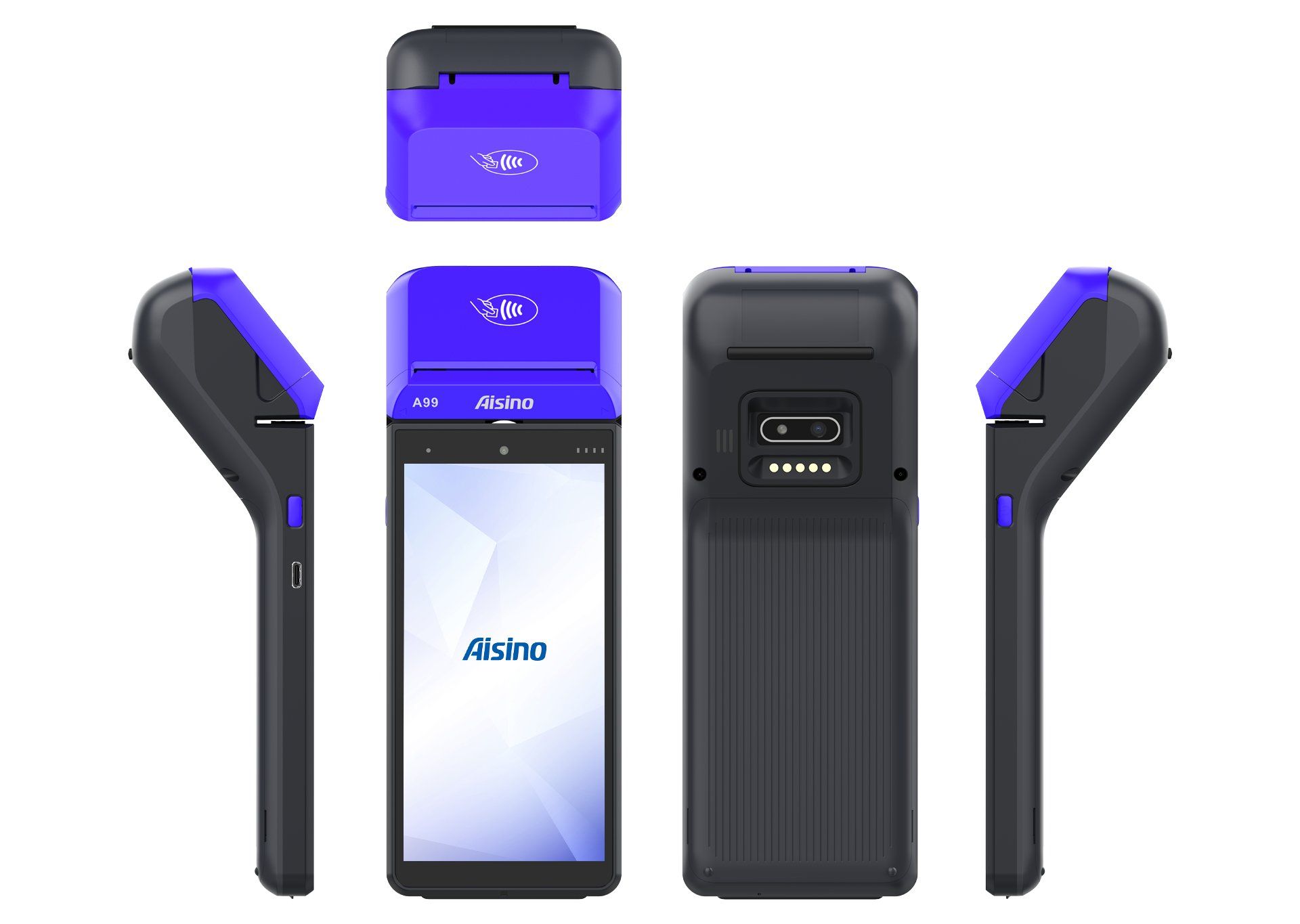
Regardless of the software you choose, reliable hardware accessories ensure smooth operations. A dedicated QR scanner can speed up checkout times significantly compared to manual camera scanning, especially in low-light environments. Additionally, rugged Android POS terminals are often preferred for their durability and compatibility with various payment apps. Below are some common hardware components used in modern crypto retail setups.


As an Amazon Associate, we may earn from qualifying purchases.
Compliance and tax considerations
Accepting digital currency introduces regulatory layers that traditional card processing avoids. For a crypto POS 2026 setup to remain viable, you must treat compliance as a foundational feature, not an afterthought. The primary obligation for most US-based merchants is registering as a Money Services Business (MSB) with FinCEN. This registration is mandatory if you act as a money transmitter, which often includes converting crypto to fiat for settlement. Failure to register can result in severe penalties, so verify your specific status with a legal professional before launch.
Tax implications are equally complex. In many jurisdictions, accepting crypto is treated as a property transaction, meaning each sale may trigger a capital gains or loss event depending on the asset's value at the time of the transaction. This creates a significant accounting burden if you hold the coins. To simplify this, choose a system that offers instant fiat conversion. By automatically converting sales to dollars upon checkout, you mitigate volatility risk and reduce your tax reporting to standard sales transactions, making your end-of-year reconciliation manageable.
Retail analysts project that by the end of 2026, cryptocurrency payments will be a standard payment method in 15% of global brick-and-mortar stores. However, adoption hinges on seamless backend operations. Ensure your POS provider offers clear documentation on how they handle regulatory reporting and tax data exports. This transparency allows you to maintain compliance without diverting staff time from customer service.
Frequently asked questions about crypto POS
Is 2026 a bearish year for crypto? Market cycles suggest caution. As of February 2026, Bitcoin’s price has shown bear market-like action following its 2021 peak, dropping since October. However, this volatility doesn’t stop merchants from adopting crypto POS systems; many use stablecoins or instant fiat conversion to bypass price swings entirely.
Do I need special hardware to accept crypto? Most modern crypto POS solutions work on standard smartphones or existing point-of-sale terminals. You typically only need a smartphone with the provider’s app to generate QR codes or receive payment notifications, making it easy to integrate into your current workflow without heavy investment.
Are there high fees for accepting crypto? Crypto transaction fees are generally lower than traditional credit card processing, which often charges 2-3%. Providers like BitPay and Coinbase Commerce offer competitive rates, though you should check for additional withdrawal fees if you convert crypto to fiat. Always verify the specific fee structure of your chosen gateway before signing up.
Is crypto POS legal in my area? Legality depends on your local regulations. In many jurisdictions, accepting crypto as payment is legal, but you must comply with tax and reporting requirements. For official guidance on compliance and tax obligations, refer to resources like the IRS or your local financial authority, as rules vary significantly by region.
No comments yet. Be the first to share your thoughts!