
How crypto POS systems work in 2026
By 2026, cryptocurrency payment gateways have shifted from experimental add-ons to standard infrastructure for retail operations. The integration connects traditional point-of-sale hardware with digital wallets, allowing merchants to accept crypto alongside cash and cards without disrupting the checkout flow. This bridge between legacy finance and digital assets reduces friction for consumers while expanding payment options for businesses.
The market landscape has matured significantly, driven by the need for faster settlement times and lower transaction fees compared to traditional credit card networks. Providers now offer robust licensing and varied settlement models, making it easier for retailers to choose a system that aligns with their specific operational needs. As adoption grows, the focus has shifted from mere acceptance to seamless integration within existing retail workflows.
For retailers evaluating these systems, the decision often comes down to balancing regulatory compliance with operational efficiency. The best solutions provide clear visibility into transaction costs and settlement speeds, ensuring that crypto payments contribute positively to the bottom line rather than adding complexity to the accounting process.
Crypto POS systems 2026: choices that change the plan
Adopting a crypto point-of-sale system in 2026 is not just about accepting digital assets; it is a decision that impacts your cash flow, accounting, and customer experience. While the technology has matured, the tradeoffs between volatility, settlement speed, and integration complexity remain significant. Understanding these factors helps you choose a system that aligns with your retail model rather than treating crypto as a novelty.
Key Tradeoffs to Evaluate
Before committing to a provider, compare the following dimensions. The table below highlights how different systems handle the most critical operational aspects of crypto payments.
| Feature | Fiat Settlement | Volatility Risk | Integration | Cost |
|---|---|---|---|---|
| BitPay | Instant to bank | Zero (auto-convert) | Plugin-based | Medium fees |
| NOWPayments | Manual or auto | Merchant bears | API/Widget | Low fees |
| Coinbase Commerce | On-demand | Merchant bears | API/Plugin | Low fees |
| Blockonomics | Self-custody | Merchant bears | Plugin-only | Very low fees |
Settlement and Volatility
The most immediate tradeoff is who holds the risk during the transaction window. Systems like BitPay offer instant fiat settlement, meaning the customer pays in crypto, but your bank account receives dollars (or euros) immediately. This eliminates volatility risk entirely but often comes with higher transaction fees. Conversely, systems that allow you to hold the crypto expose you to market swings. If Bitcoin drops 5% in an hour, your revenue shrinks. For most retailers, the peace of mind of fiat settlement outweighs the slightly higher fees.
Integration and User Experience
Crypto POS systems vary in how seamlessly they fit into existing workflows. Legacy retail environments often rely on specific hardware or cloud-based POS software. Systems like BitPay and NOWPayments offer plugins for major platforms like Shopify or WooCommerce, reducing development time. However, true in-store QR-based checkout requires specific hardware integration. If your staff is not tech-savvy, a complex API integration can slow down transactions. The tradeoff here is between customization and ease of use.
Fees and Transparency
Transaction fees for crypto payments are generally lower than credit card processing, but they are not free. Providers charge between 0.5% and 1% for payment processing, plus network fees. Some systems charge additional fees for fiat conversion. It is crucial to read the fine print. Hidden fees for withdrawals or inactive accounts can erode margins quickly. The tradeoff is between a higher upfront fee for a streamlined, all-in-one service versus a lower fee for a modular system that requires more manual management.
Choose the next step
Why Is the Year Crypto POS Systems Go Mainstream for Retailers works best as a clear sequence: define the constraint, compare the realistic options, test the tradeoff, and choose the path with the fewest hidden costs. That order keeps the advice usable instead of decorative. After each step, pause long enough to check whether the recommendation still fits the reader's actual situation. If it depends on perfect timing, unusual access, or a best-case budget, include a simpler fallback.

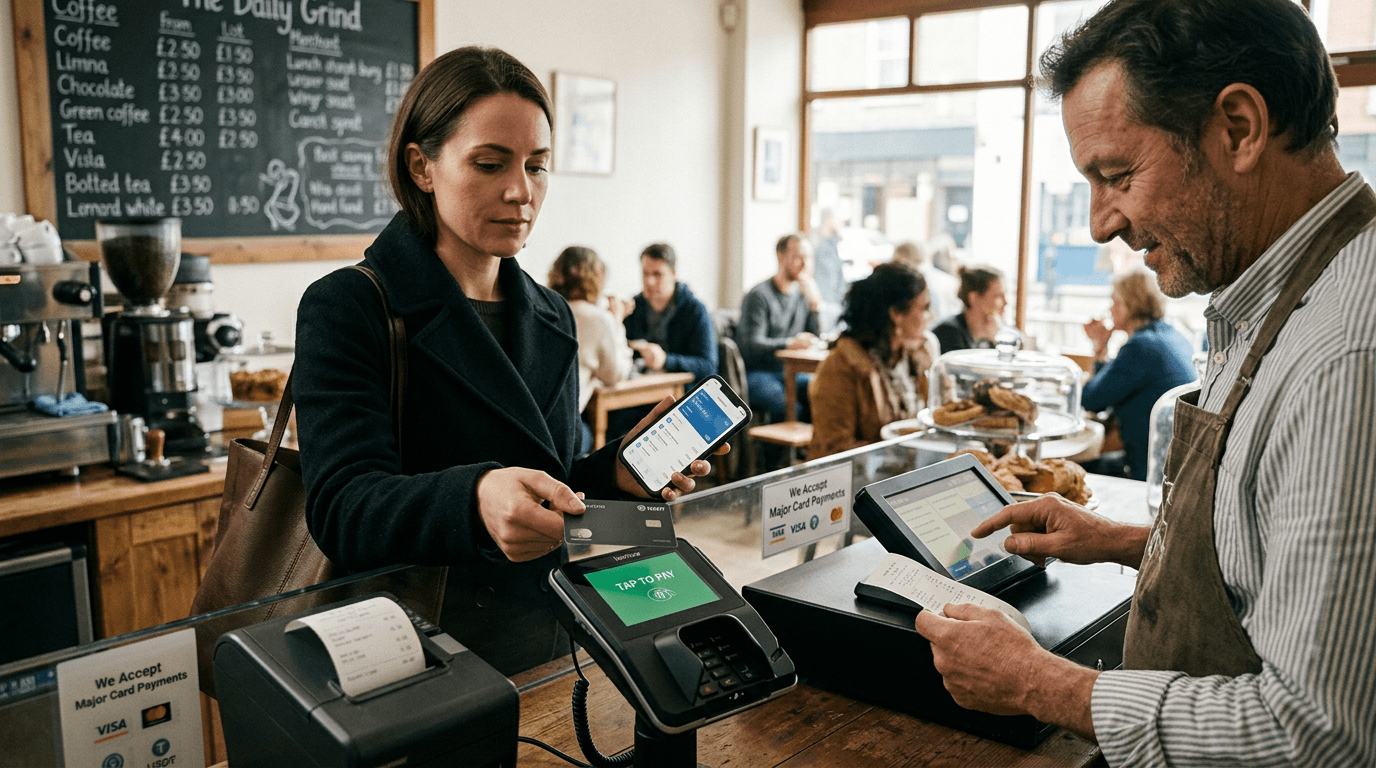

Spotting Weak Crypto POS Options
Not every "crypto-ready" terminal is built for daily retail use. In 2026, the market is split between robust, licensed gateways and weak, experimental integrations that risk compliance or settlement delays. Before committing, check for three things: regulatory licensing, clear settlement terms, and native wallet integration that doesn't require external workarounds.
A weak option often hides behind flashy marketing but lacks a clear fiat settlement path. This means your crypto payments might sit in limbo, exposing your business to volatility and accounting headaches. Strong providers, like those listed in recent industry comparisons, offer instant conversion to your local currency, protecting your margins.
Avoid systems that claim "full crypto support" but only accept Bitcoin. A mainstream retail POS must handle stablecoins and major altcoins with low fees. If the integration requires a separate app or manual entry, it's too slow for checkout lines. Look for native SDKs or API-first designs that embed crypto directly into your existing workflow.
Crypto POS systems 2026: what to check next
Will crypto payments slow down my checkout line?
Modern crypto POS systems process transactions in seconds, comparable to credit card taps. Gateways like BitPay use instant conversion to settle funds in fiat directly to your bank account, removing the volatility risk and the delay of waiting for blockchain confirmations. This means your customers pay with crypto, but your business receives stable currency immediately, keeping lines moving smoothly.
Do I need to hold Bitcoin or other coins?
Most merchants opt out of holding volatile assets. The primary value of a 2026 crypto POS is the ability to accept digital payments without becoming a crypto exchange. By using settlement features, you avoid the operational burden of managing private keys, cold storage, and price fluctuations. You simply accept the digital asset, and the provider handles the rest.
How do crypto POS systems handle chargebacks?
Unlike traditional credit cards, cryptocurrency transactions are irreversible. This eliminates the risk of friendly fraud and chargebacks for merchants, a significant advantage in retail. However, customers must be certain of their purchase before confirming. This permanence shifts the responsibility of verification to the point of sale interface, requiring clear receipts and confirmation steps.
Are crypto POS systems secure against hacking?
Security in 2026 relies on the integration between your POS hardware and the payment gateway. Reputable providers use tokenization and secure APIs to ensure sensitive data never touches your local server. While no system is immune, the decentralized nature of blockchain means there is no single central database of customer crypto wallets to hack, reducing the attack surface compared to traditional card networks.
No comments yet. Be the first to share your thoughts!