
Get crypto pos integration 2026 right
Before writing a single line of code or buying a terminal, you need to map the intersection of your payment infrastructure and your customer data. Integrating a crypto POS system with an AI-driven loyalty program is not just about accepting Bitcoin; it is about creating a unified ledger where transaction history fuels personalized rewards.
Start by auditing your existing hardware. Older terminals often lack the processing power or API compatibility required for real-time crypto conversion and AI data syncing. Ensure your current setup can handle the additional latency of blockchain confirmations without slowing down the checkout line. If your hardware is outdated, plan for a phased rollout rather than a simultaneous switch.
Next, define the data flow. Your AI engine needs clean, structured transaction data to personalize offers. Decide whether you want to store customer data on-chain for transparency or keep it in a centralized database for speed and privacy compliance. This decision impacts both your integration complexity and your ability to offer instant, AI-generated discounts at the point of sale.
Finally, verify your compliance posture. Crypto transactions trigger different reporting requirements than fiat. Ensure your integration partner can provide the necessary tax documentation and that your loyalty program’s terms of service align with current financial regulations in your jurisdiction. Skipping this step can lead to costly legal hurdles down the road.
Set up the integration
Integrating a crypto POS system with an AI loyalty engine requires connecting three distinct layers: the payment processor, the point-of-sale terminal, and the customer data platform. This is not a simple plugin installation; it is a data pipeline that must handle real-time transaction events and translate them into loyalty points.
1. Select a processor with API-first architecture
You cannot build a robust integration on a closed ecosystem. Choose a crypto payment processor that offers a public API with webhooks for real-time transaction notifications. Processors like BitPay, Coinbase Commerce, or specialized POS providers like OxaPay provide the necessary infrastructure to confirm transactions on-chain before releasing funds.
Verify that the provider supports stablecoins (USDC, USDT) to minimize volatility risk during the settlement window. The API must be able to push a payment_confirmed event to your loyalty backend immediately after blockchain confirmation.
2. Configure hardware and terminal software
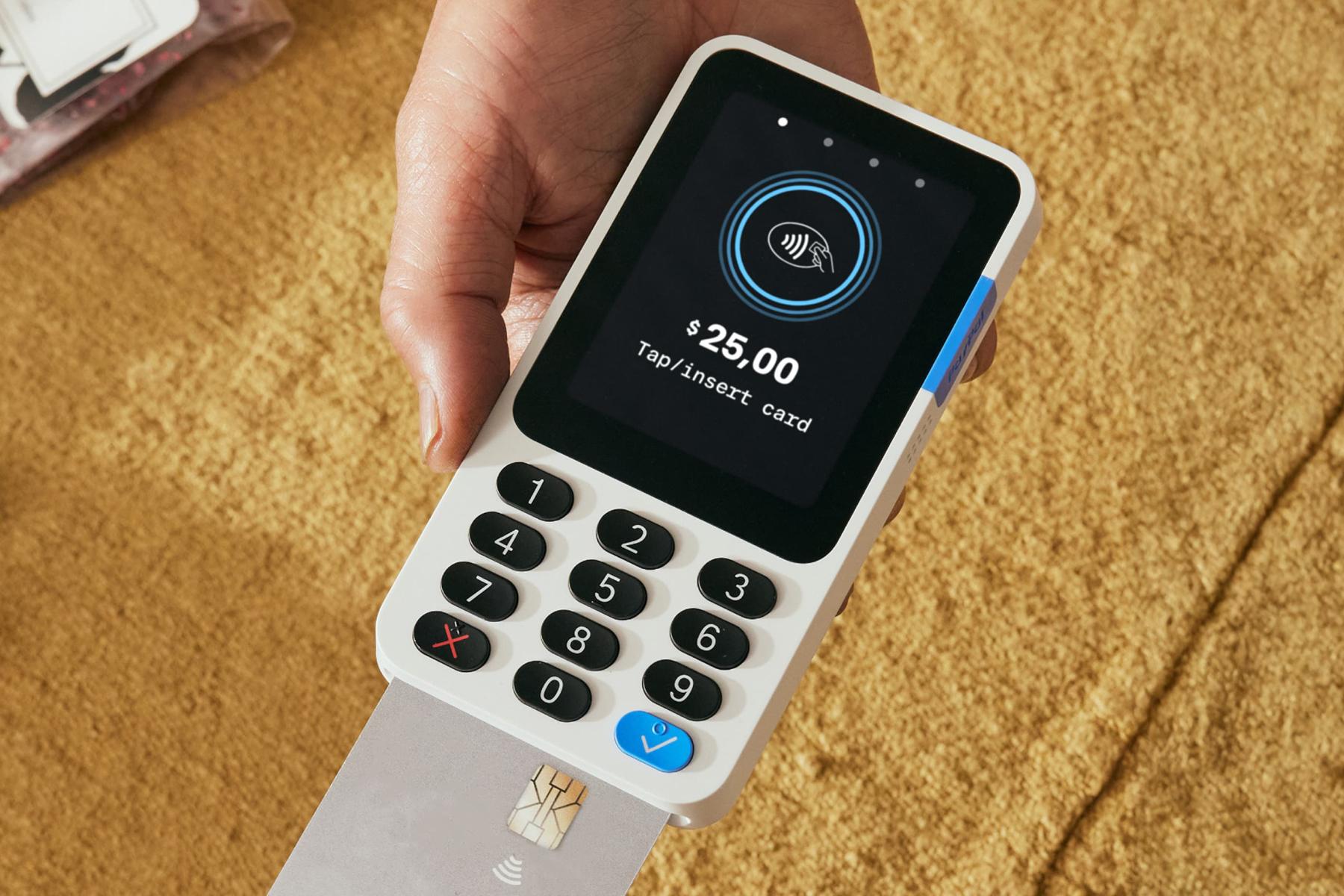
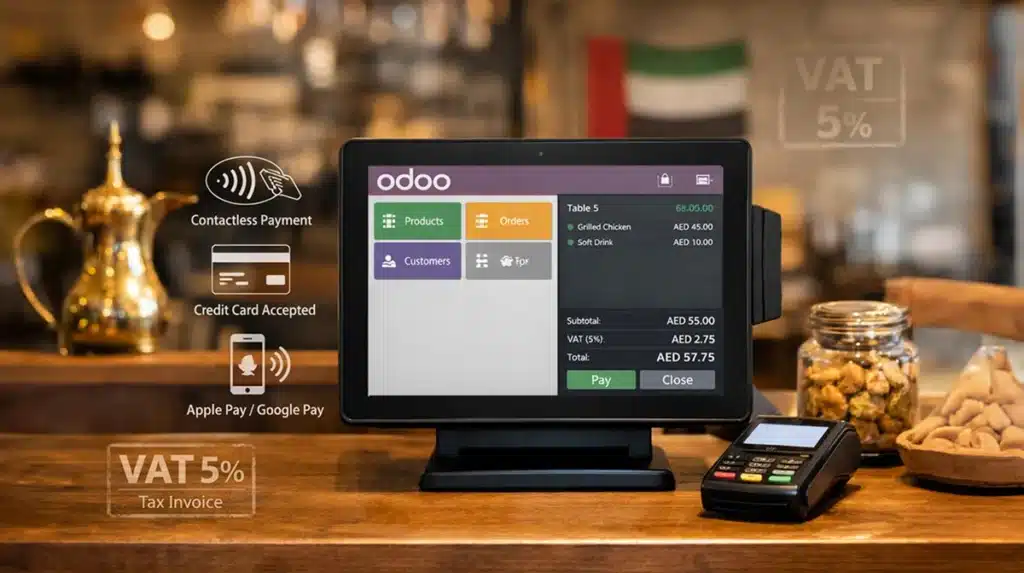
Your POS hardware must be capable of displaying QR codes for customer payments and accepting NFC taps if using crypto debit cards. Most modern Android-based POS terminals support custom integrations. Install the merchant application provided by your crypto processor and link it to your business account.
Ensure the terminal can send transaction metadata—including customer email or phone number collected at checkout—to the loyalty system. If your POS is legacy hardware, you may need a middleware layer to bridge the gap.
3. Build the webhook listener
This is the core of the integration. Your backend must listen for webhook events from the crypto processor. When a customer pays, the processor sends a payload containing the transaction ID, amount, currency, and customer identifier.
Your system must validate this payload using a shared secret key to prevent spoofing. Once validated, the webhook triggers the loyalty engine to calculate points based on your AI-driven rules (e.g., double points for specific crypto assets or high-value transactions).
4. Implement the loyalty point engine
The AI loyalty component analyzes the transaction data to award points. This could be rule-based (e.g., 1 point per $1 spent) or predictive (e.g., awarding bonus points to customers likely to churn). The engine updates the customer’s wallet balance in your database in real-time.
Ensure the system handles edge cases, such as partial refunds or failed transactions, by deducting points automatically. The AI model should also flag suspicious activity, such as rapid point accumulation from a single IP address.
5. Test with sandbox environments
Before going live, use the processor’s sandbox mode to simulate transactions. Test the full flow: payment initiation, blockchain confirmation, webhook receipt, point calculation, and balance update. Verify that points are awarded correctly for different currencies and that refunds reverse the points.
Check the latency between payment and point awarding. If the delay exceeds a few seconds, customers may not see their rewards instantly, reducing engagement.
6. Go live and monitor
Switch the processor to live mode. Monitor the first 100 transactions closely. Check for webhook delivery failures, API rate limits, and loyalty balance discrepancies. Set up alerts for any failed webhooks or unusual point distribution patterns.
Once stable, you can begin collecting data to refine your AI loyalty models. Use the transaction history to identify high-value customers and adjust point multipliers to maximize retention.
Fix Common Mistakes in Crypto POS and Loyalty Integration
Many retailers rush to connect a crypto wallet to their point-of-sale system without mapping how the loyalty engine actually talks to the blockchain. The result is a fragmented experience where customers earn points but cannot redeem them, or worse, where transaction data is lost during the conversion to fiat. These errors erode trust faster than any technical glitch.
The most frequent pitfall is treating crypto payments as a separate silo rather than a data source for AI-driven insights. If your POS system processes Bitcoin or Ethereum but does not feed that transaction metadata into your loyalty CRM, you miss the chance to offer personalized rewards. An AI model needs clean, unified data to predict which customers are likely to churn or increase spend. Without this link, your loyalty program remains static and irrelevant.
Another critical error is ignoring the volatility risk during the loyalty accrual phase. If a customer earns 100 points based on a $50 crypto payment, but the coin drops 10% before the points are finalized in your database, you either lose margin or alienate the customer. You must decide whether loyalty balances are pegged to fiat value or token value. Most successful integrations use a fiat-pegged stablecoin or immediate conversion at the point of sale to protect both the merchant and the buyer.
Finally, many implementations fail to test the "off-ramp" logic. If a customer tries to redeem loyalty rewards for a crypto payout, does the system handle the gas fees? Does it comply with local tax reporting requirements? Skipping these edge cases leads to failed transactions and customer support tickets. Always simulate the full lifecycle: purchase, point accrual, point redemption, and final settlement.
Faq: crypto pos integration 2026: what to check next
Before committing to a new payment stack, it helps to separate marketing hype from technical reality. The following questions address the most common objections regarding system selection, regulatory visibility, and the evolving role of digital assets in retail.
Which is the best crypto PoS system?
There is no single "best" system, as the right choice depends on your volume and tech stack. For businesses prioritizing seamless integration with existing loyalty engines, solutions like BitPay and CoinGate offer established APIs. Smaller retailers may prefer hardware-focused terminals from providers like Inqud for simplicity. Evaluate each option based on settlement speed, fee structure, and whether they support the specific tokens your customers actually use.
What's going to happen to crypto in 2026?
In 2026, crypto payments are shifting from experimental to operational. The focus is no longer just on accepting Bitcoin, but on integrating it with traditional business logic like AI-driven loyalty rewards. We are seeing a consolidation of payment gateways that offer stablecoin settlements to reduce volatility risk. For merchants, this means the technical barrier to entry is lower, but the requirement for robust accounting and compliance tools is higher.
Can the IRS see your crypto wallet?
Yes, the IRS can see your wallet activity if it is linked to a regulated exchange or payment processor. Under current guidance, crypto is treated as property, meaning every transaction is a taxable event. If you use a PoS system that settles to a fiat account or a know-your-customer (KYC) wallet, that data is reportable. Even non-custodial wallets can become visible if you convert them to fiat through a tracked on-ramp.
Can FBI track BTC wallet?
Bitcoin transactions are public and immutable on the blockchain, making them inherently traceable. While the address itself is pseudonymous, blockchain analytics firms and law enforcement can often link addresses to real-world identities through exchange records, IP logs, or spending patterns. If you use a PoS system that requires identity verification for large settlements, that link is direct and immediate.
Work through 2026 Guide: How to Integrate Crypto POS Systems with AI-Driven Loyalty Programs
No comments yet. Be the first to share your thoughts!