
Instant settlement matters for merchants
In 2026, the primary value proposition of a crypto point-of-sale system is no longer just accepting digital currency—it is the ability to instantly convert that currency into fiat. Merchants operate on thin margins and cannot afford the volatility risk inherent in holding Bitcoin or Ethereum. A transaction that settles in stablecoins or traditional currency within seconds allows a business to cover payroll, inventory, and rent without worrying about overnight market swings.
This shift from speculation to utility has driven the development of modern POS integrations. Systems like BitPay and NOWPayments have standardized the flow: a customer scans a QR code, the blockchain confirms the transaction, and the funds are immediately swapped for USD, EUR, or GBP. This process turns a volatile asset into spendable cash before the merchant even closes the register.
The alternative—holding crypto—is rarely viable for small and medium businesses. Without instant fiat conversion, a merchant effectively becomes a hedge fund, exposed to the same risks as institutional investors. For most retailers, this is an unnecessary complication. The goal is simple: accept payment, get cash, and move on.
To understand why this matters, consider the volatility of the asset class itself. Even if settlement is "instant" on-chain, the value of Bitcoin can fluctuate significantly in the minutes leading up to conversion if the merchant does not use an automated swap. A live look at Bitcoin's price action illustrates why speed is essential for risk management.
This volatility is not just a chart pattern; it is a direct threat to profitability. A merchant who holds BTC for an hour might see a 2% drop in value, eroding their margin on a single sale. Instant settlement removes this exposure entirely, ensuring that the sale price agreed upon at checkout is the amount deposited in the bank account.
Top crypto POS systems for 2026
Selecting the right crypto POS system requires balancing settlement speed, fee structures, and feature depth. The market has shifted from simple acceptance to integrated treasury management, where AI-driven analytics and instant fiat conversion are standard expectations. Below is a comparison of the leading providers shaping the landscape in 2026.
| Provider | Settlement Speed | Key AI/Analytics Feature | Supported Coins |
|---|---|---|---|
| Coinbase Commerce | Instant to 24h | Portfolio tracking & tax reporting | BTC, ETH, USDC, 100+ |
| BitPay | Instant (Fiat) | Fraud detection & inventory sync | BTC, ETH, USDT, USDC |
| NOWPayments | Near-instant | Multi-currency auto-conversion | 100+ Crypto Assets |
| GoCrypto | Same-day | Localized compliance & AI insights | Major Stablecoins & BTC |
| BTCPay Server | On-chain | Self-custody & zero fees | BTC, Liquid, Lightning |
Coinbase Commerce remains a dominant choice for businesses prioritizing ease of integration and regulatory clarity. Its support for over 100 cryptocurrencies allows merchants to capture a broad audience, while its portfolio tracking tools simplify tax compliance. The platform’s instant settlement options ensure liquidity without the volatility risk of holding digital assets.
BitPay focuses heavily on the traditional retail experience, offering instant fiat conversion to protect merchants from market swings. Its integration capabilities with major e-commerce platforms and physical POS hardware make it a staple for established businesses. The built-in fraud detection layer adds a critical security margin for high-volume transactions.
NOWPayments differentiates itself through flexibility, supporting over 100 crypto assets including many altcoins. Its auto-conversion feature allows merchants to receive payments in any currency and settle in their preferred fiat or stablecoin. This flexibility is particularly valuable for international businesses dealing with diverse customer bases.
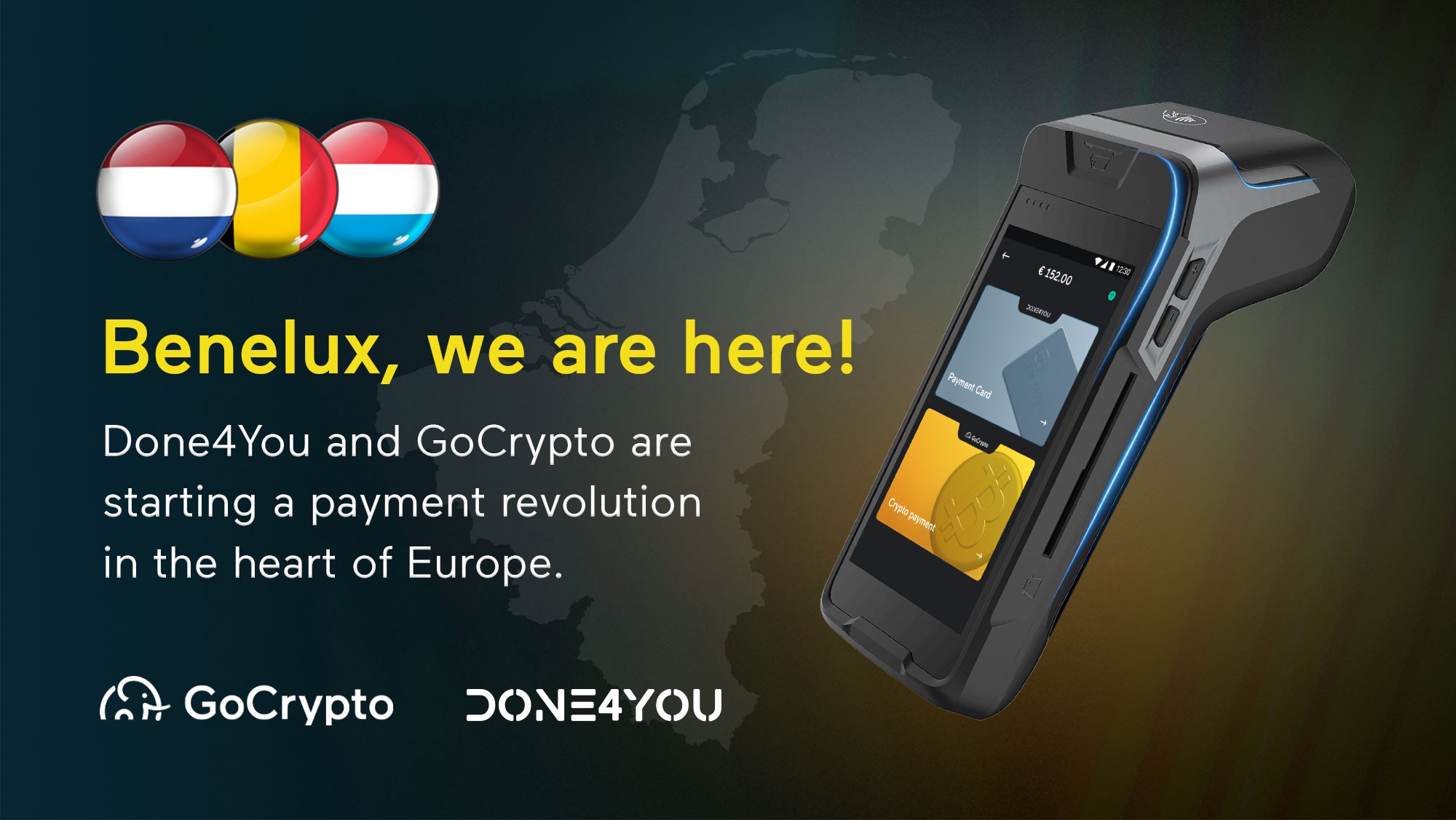
GoCrypto has emerged as a strong contender in the European market, emphasizing localized compliance and AI-driven insights. Its focus on stablecoins and major cryptocurrencies ensures stability, while its AI tools provide merchants with actionable data on customer behavior and transaction trends. This localized approach makes it ideal for businesses operating in regulated jurisdictions.
BTCPay Server offers a non-custodial, open-source alternative for merchants who prioritize self-custody and zero fees. By running your own node, you eliminate third-party intermediaries and retain full control over your funds. While it requires more technical expertise, it is the gold standard for privacy-focused businesses and those seeking to minimize transaction costs.
AI tools reduce fraud and chargebacks
Crypto payments historically suffered from a paradox: while blockchain transactions are immutable, the off-ramp to fiat often left merchants exposed to sophisticated social engineering and identity fraud. In 2026, this vulnerability has been largely neutralized by AI-driven gateways that analyze transaction patterns in real time. These systems do not just process payments; they act as an active defense layer, distinguishing between legitimate high-volume sales and coordinated attack vectors before the funds settle.
The most significant improvement lies in chargeback mitigation. Traditional credit card chargebacks are a major pain point for crypto merchants, as disputes can reverse fiat settlements even when the underlying blockchain transaction is final. Modern AI tools now integrate behavioral biometrics and device fingerprinting to verify the shopper’s identity at the point of sale. By correlating the crypto wallet’s transaction history with the merchant’s risk profile, these systems flag anomalies that would trigger a manual review or automatic decline in older systems.
This shift transforms crypto from a high-risk niche into a viable mainstream option. Merchants no longer need to absorb the cost of fraud losses or spend hours disputing false claims. Instead, AI automates the compliance burden, allowing businesses to accept digital assets with the same confidence they apply to traditional card processing. As these tools become standard, the friction that once deterred adoption is disappearing.
Connect crypto wallets to your existing POS
Integrating crypto payments into your current hardware stack works like adding a new lane to an existing highway. You don't need to replace your entire system; you just need a bridge between your legacy Point of Sale (POS) software and the blockchain. This approach lets you keep your familiar receipt printers, barcode scanners, and customer databases while accepting digital assets.
1. Choose a payment gateway provider
The most critical decision is selecting a crypto payment processor. These providers act as the middleware that translates blockchain transactions into your local currency or stablecoin. Look for gateways that offer API compatibility with your specific POS brand, whether it's Square, Shopify, or a custom retail solution. This ensures the transaction data flows automatically into your existing accounting software without manual entry.
2. Install the plugin or API connector
Most modern POS systems support direct integration through plugins or modules. Navigate to your POS settings and search for the crypto payment gateway you selected. Install the extension and follow the on-screen prompts to link your merchant account. For custom-built systems, you will need to implement the provider’s API keys into your backend code. This step establishes the secure connection between your terminal and the payment network.
3. Configure wallet addresses and settlement rules
Once connected, you must define how funds are handled. You can choose to settle directly to a corporate crypto wallet or convert immediately to fiat currency to avoid volatility. Configure your supported coins (e.g., Bitcoin, Ethereum, USDC) and set the minimum transaction amount. Ensure your POS terminal is set to display the correct QR code format for the chosen cryptocurrency.
4. Test with small transactions
Before going live, run test transactions using small amounts. Verify that the payment confirmation appears on your POS screen and that the receipt prints correctly. Check your backend dashboard to ensure the transaction logs match the blockchain explorer data. This step prevents errors during peak hours when customers are waiting in line.
5. Train staff on crypto-specific workflows
Your team needs to understand the differences between card and crypto payments. Train them to verify the payment status on the screen before handing over goods. Explain that crypto transactions are irreversible, so confirming the "confirmed" status is essential. Provide a simple cheat sheet for troubleshooting common issues, such as slow network confirmations.
Frequently asked questions about crypto POS
How fast is crypto settlement? Settlement speed depends on your gateway. Many providers offer instant crypto-to-fiat conversion, depositing funds into your bank account within minutes or hours, bypassing the multi-day delays of traditional card processors.
What are the typical fees? Crypto POS fees generally range from 0.5% to 2% per transaction. This is often lower than standard credit card processing fees, which can exceed 2.9%. Some platforms charge flat fees for fiat conversion, while others take a percentage of the crypto volume.
Is crypto POS secure for merchants? Transactions are secured by blockchain cryptography, making them irreversible and resistant to chargeback fraud. However, you must choose a regulated provider with proper licensing and security protocols to protect your stored keys and customer data.
No comments yet. Be the first to share your thoughts!