
The Reality of Crypto POS in 2026
The promise of instant stablecoin settlements is no longer theoretical. In 2026, the primary advantage of a crypto POS is the elimination of traditional card network fees, which typically range from 1.5% to 3.5% per transaction. By routing payments through blockchain rails, merchants can retain significantly more revenue, particularly on high-volume or large-ticket sales.
However, this shift requires a fundamental change in infrastructure. Unlike card processors that handle settlement automatically, a crypto POS system must integrate directly with digital wallets and blockchain nodes. This integration ensures that funds are confirmed on-chain before the sale is finalized, reducing chargeback risk but introducing dependency on network congestion and gas fees.
The decision to adopt crypto POS hinges on your business model. If you operate in a jurisdiction with clear regulatory guidelines and have the technical capacity to manage wallet security, the fee savings are substantial. For merchants without dedicated IT resources, the complexity of maintaining secure key management may outweigh the immediate cost benefits. The landscape is moving toward hybrid solutions, but pure crypto adoption remains a strategic choice for those prioritizing margin over convenience.
Crypto POS tradeoffs for 2026
Choosing a payment method in 2026 requires weighing speed, cost, and operational complexity. While card networks have dominated for decades, stablecoin settlements offer a different set of advantages and constraints. Understanding these tradeoffs helps you decide if crypto fits your specific business model.
Fee structure and cash flow
Traditional card processors typically charge between 1.5% and 3.5% per transaction, plus fixed fees. Stablecoin payments often cost less than 1% to settle, with some networks charging flat fees under $0.05. This difference directly impacts your net revenue, especially on high-volume, low-margin goods. However, you must also consider the cost of the payment gateway or processor software that facilitates the conversion to fiat.
Settlement speed and volatility
Card settlements usually take 2-3 business days to reach your bank account. Stablecoin transactions settle in seconds or minutes, improving cash flow for inventory and payroll. The primary risk is volatility if you hold the crypto. Most modern POS systems offer instant auto-conversion to stablecoins or fiat, eliminating price risk. If you choose to hold crypto assets, you assume market risk similar to holding foreign currency.
Technical complexity and hardware
Card payments are plug-and-play. Crypto POS requires compatible hardware, wallet integration, and potentially new accounting software to track blockchain transactions. Some providers offer all-in-one terminals that handle the complexity, but they may charge higher subscription fees. You need to assess whether your staff can manage the additional technical steps, such as verifying transaction confirmations.
Customer adoption and friction
Card readers are universally recognized. Crypto payments require customers to have a digital wallet and understand how to send funds. While stablecoin adoption is growing, it is not yet mainstream for small transactions. You may attract tech-savvy customers or those avoiding high card fees, but you might lose customers who prefer the familiarity of cards. Consider your target demographic before implementing.
| Feature | Card Processing | Stablecoin POS |
|---|---|---|
| Fee | 1.5% - 3.5% | < 1% |
| Settlement | 2-3 days | Seconds |
| Volatility Risk | None | Low (if auto-converted) |
| Hardware | Standard | Specialized/Software |
| Adoption | Universal | Growing |
When to choose which
Choose cards if: Your customers are general consumers who expect familiar payment options. Your staff has limited technical expertise. You prioritize simplicity over marginal fee savings.
Choose stablecoins if: You operate in high-volume, low-margin sectors where fee savings add up. You serve a tech-forward audience or international customers. You need instant access to funds for rapid inventory turnover.
Many businesses use a hybrid approach, offering both to capture different customer segments. Test the workflow with a small volume before full implementation.
How to Choose the Right Crypto POS Setup
The shift to instant stablecoin settlements isn't just about lower fees; it's about operational control. Card networks take 2-3% of every transaction and hold funds for days. Crypto POS systems settle in seconds, often for less than 1% in network fees. But choosing the right system depends on your business type, tech comfort, and risk tolerance. Use this framework to pick the right path.
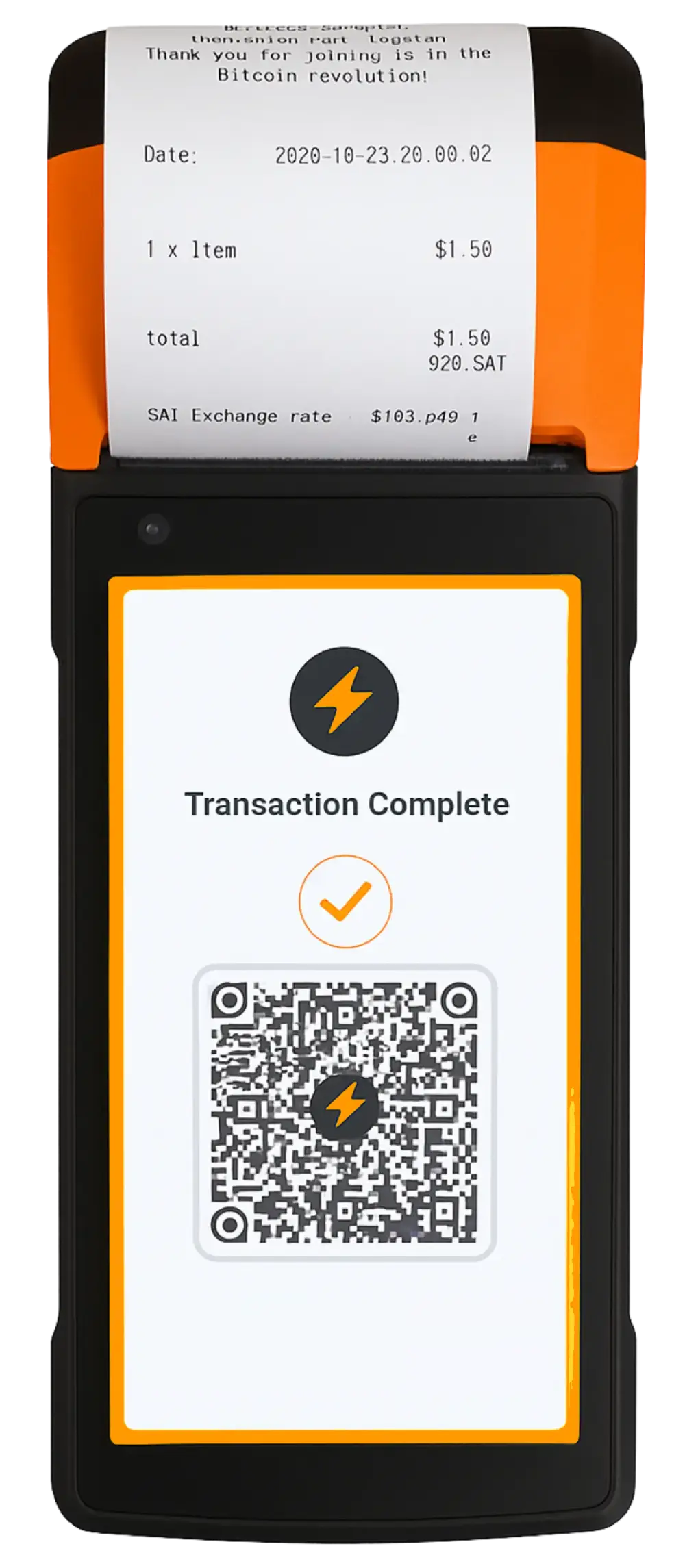
High-volume retailers (grocery, gas) benefit most from stablecoin settlements due to fee savings. Low-margin businesses can absorb traditional card fees better than thin-margin crypto-native stores. Calculate your monthly volume: if you process over $10,000 monthly, crypto POS can save thousands in annual fees. Lower-volume businesses might find the integration cost outweighs the savings.
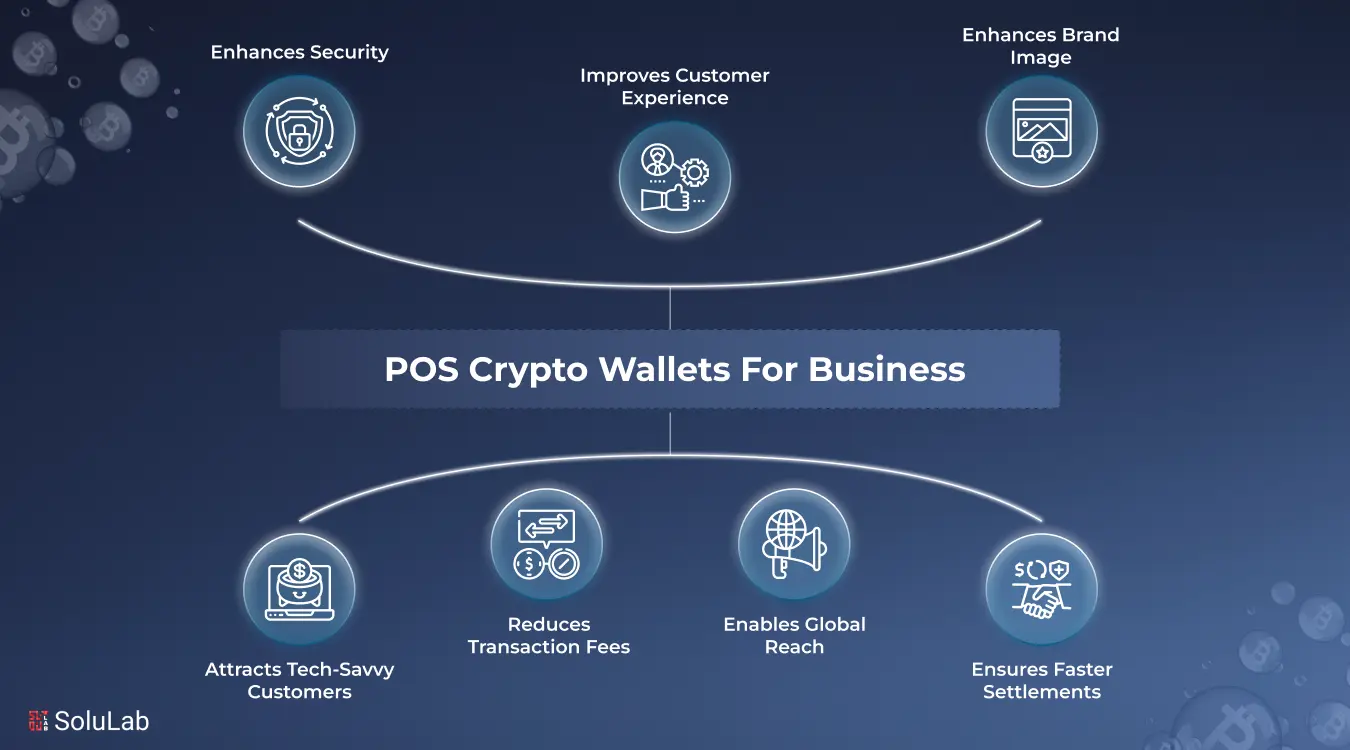
Hosted solutions (like BitPay or Coinbase Commerce) handle compliance and conversion automatically but charge higher fees (1-2%). Self-custody setups give you full control and lower fees but require technical expertise to manage private keys and security. If you lack in-house tech support, start with a hosted provider. If you're tech-savvy, self-custody offers maximum control and minimal fees.
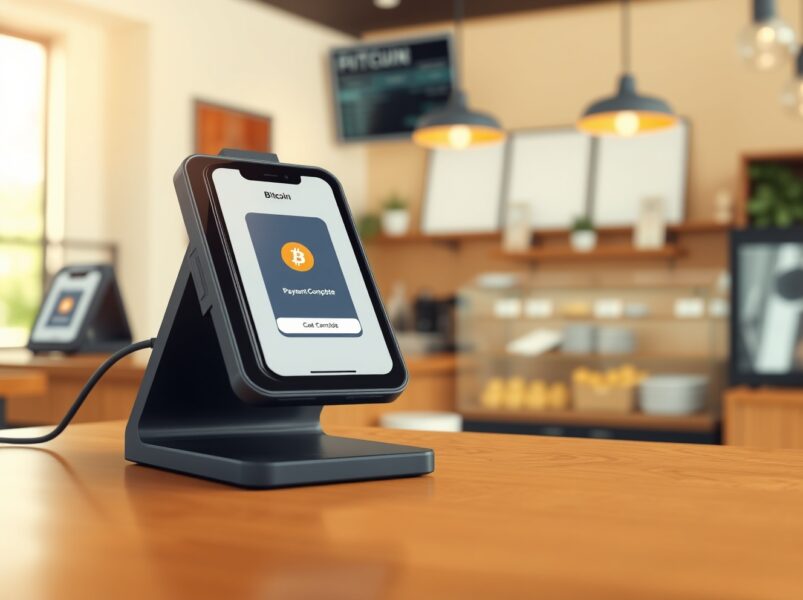
For POS transactions, stability matters more than speculation. Accept USDC or USDT, not Bitcoin or Ethereum, to avoid price volatility during checkout. Stablecoins settle instantly without the risk of losing value between scan and settlement. Some processors offer auto-conversion to fiat, but this reintroduces traditional banking delays and fees.

Most modern POS systems (Square, Clover, Toast) now support crypto via third-party plugins. Check if your current hardware supports NFC or QR code scanning for crypto payments. Older systems may require a separate crypto terminal or mobile app integration. Ensure your setup can handle both traditional and crypto payments seamlessly during the transition period.
Crypto transactions are taxable events in most jurisdictions. Work with an accountant familiar with digital assets to track every transaction. Use POS software that generates detailed reports for tax filing. Failure to report crypto income can lead to penalties. Some processors offer automated tax reporting tools to simplify this process.
| Feature | Hosted POS | Self-Custody |
|---|---|---|
The right choice depends on your priorities. If you value simplicity and compliance, choose a hosted solution. If you prioritize cost savings and control, self-custody is worth the learning curve. Many businesses start with hosted systems and migrate to self-custody as they gain confidence and volume.
Spotting Weak Crypto POS Claims
Many vendors market "instant stablecoin settlement" without explaining the hidden costs. The most common mistake is assuming the payment processor handles the stablecoin conversion automatically. In reality, you often need a separate liquidity provider or a third-party gateway, which adds fees and complexity. Always ask for a full breakdown of all fees, including network gas, conversion spreads, and processor charges.
Another red flag is the lack of clear chargeback policies. Unlike credit cards, stablecoin transactions are final. If a customer disputes a charge, you have no automatic recourse. Some processors claim to offer "buyer protection," but this usually means they hold funds in escrow for a set period, not that they reverse the transaction. Ensure your terms of service clearly define dispute resolution.
Finally, verify the stablecoin's regulatory status. Not all stablecoins are created equal. USDC and USDT have different compliance histories and liquidity profiles. Using a less regulated stablecoin might save on fees but exposes your business to de-pegging risks. Stick to well-established, regulated options to ensure your settlement remains stable and reliable.
Crypto pos 2026: what to check next
Merchants adopting crypto point of sale systems in 2026 often face specific regulatory and technical hurdles. These answers address the most common concerns about stability, privacy, and profitability before you integrate a wallet.
What crypto is going to boom in 2026?
For point of sale (POS) transactions, stablecoins like USDC and USDT are the primary drivers of growth. While Bitcoin remains a store of value, its volatility makes it less ideal for daily retail unless converted instantly to fiat. The crypto boom in 2026 is defined by the adoption of stablecoins for instant settlement, allowing merchants to avoid holding volatile assets while offering customers fast checkout options.
Can the IRS see your crypto wallet?
The IRS tracks crypto transactions through reporting from exchanges and payment processors. If you use a regulated POS gateway like BitPay or Coinbase Commerce, they file information returns similar to traditional payment processors. However, non-custodial wallets used for direct peer-to-peer transactions without third-party intermediaries are harder to trace directly, though blockchain analysis firms often assist in identifying patterns.
Is crypto trading profitable in 2026?
Trading remains highly speculative and risky, with no guarantee of profit. For merchants, "profitability" comes from fee savings rather than trading gains. By avoiding the 2-3% interchange fees charged by credit card networks, businesses can retain margin. This operational efficiency is the primary financial benefit, not speculative trading of the accepted currencies.
Can FBI track BTC wallet?
Bitcoin transactions are recorded on a public blockchain, making them permanently visible and traceable. While the FBI cannot instantly identify the person behind a wallet address, they use blockchain analytics to link addresses to real-world identities, especially when funds move through regulated exchanges. Anonymity is limited; privacy coins offer more obfuscation, but many POS integrations prioritize compliance and traceability.
No comments yet. Be the first to share your thoughts!