
Get crypto pos 2026 right
Before writing a single line of code or buying hardware, you need to define the boundaries of your integration. Crypto POS systems in 2026 are not just payment gateways; they are complex bridges between volatile digital assets and stable fiat accounting. Skipping the prerequisite phase leads to reconciliation errors, tax nightmares, and security vulnerabilities that can shut down a business.
Start by auditing your business needs. Determine which stablecoins (USDC, USDT) or CBDCs you will accept and which legacy crypto (Bitcoin, Ethereum) remains off-limits due to volatility. This decision dictates your entire stack. Next, plan your hardware. Standard card readers won’t work. You need NFC-enabled terminals or QR code scanners that support the specific wallet protocols of your target customers. Finally, choose your settlement path. Will you auto-convert to fiat immediately, or hold digital assets on your balance sheet? This choice determines your risk profile and regulatory requirements.
These steps form the foundation of a secure and compliant crypto POS integration. Without them, you are building on sand.
How to integrate crypto into your point of sale
Setting up a crypto POS system requires bridging your existing hardware with blockchain infrastructure. The goal is to accept stablecoins and CBDCs without disrupting your current checkout flow. This guide walks you through the technical and operational steps to get your system live, compliant, and ready for 2026 traffic.
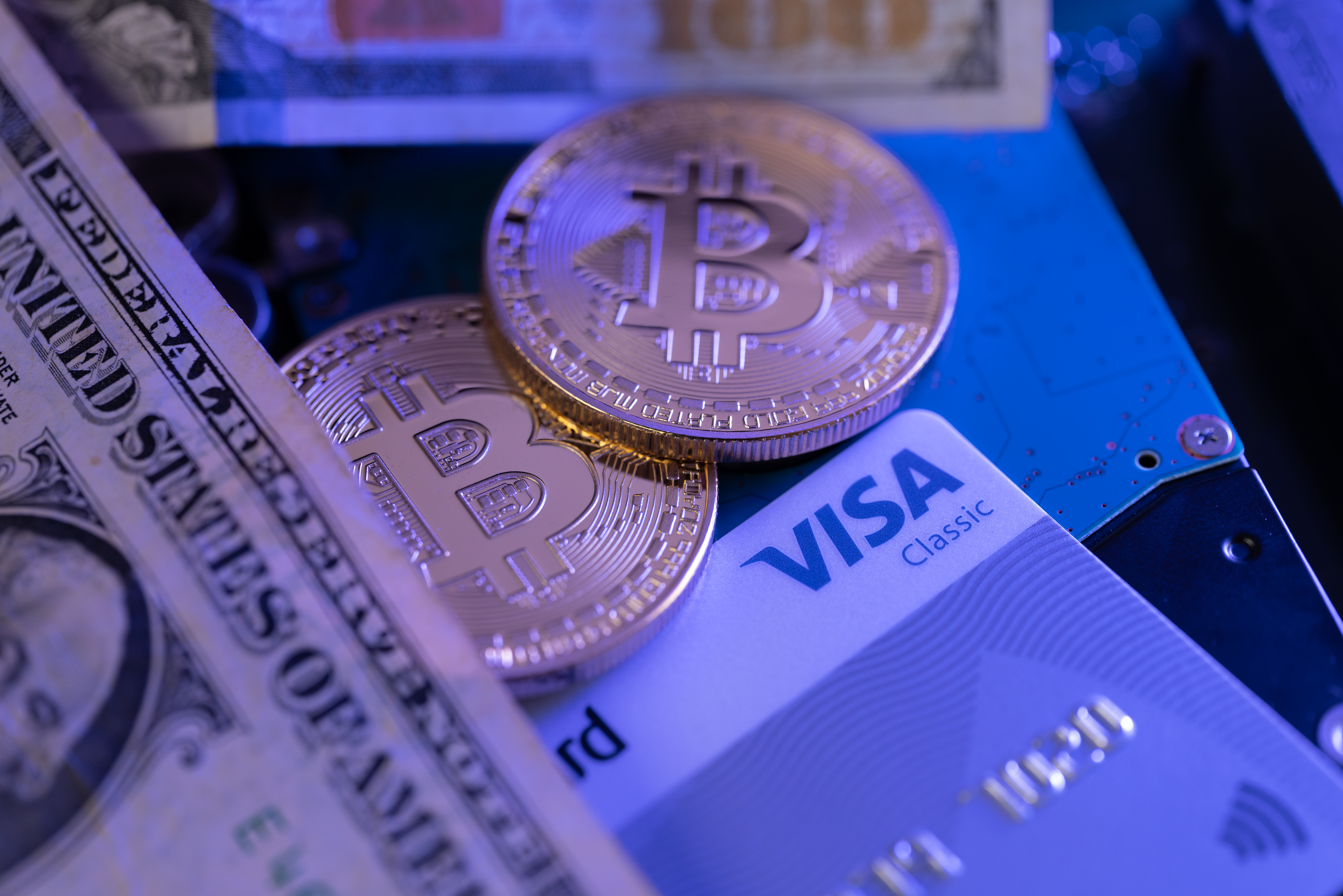
Start by inventorying your current terminals. Most modern POS systems use Android-based terminals or Windows PCs, which can support crypto SDKs. Check if your current provider offers API access for custom payment plugins. If you are using legacy hardware that cannot run additional software, you will need to budget for new terminals that support NFC and QR code scanning.

Choose a gateway that supports the specific assets you want to accept. In 2026, stablecoins (USDC, USDT) and central bank digital currencies (CBDCs) are the primary use cases for retail. Look for providers that offer instant fiat settlement to avoid volatility risk. Compare transaction fees, which typically range from 0.5% to 1.5%, against traditional card processing fees of 2-3%. Ensure the provider supports the specific blockchains relevant to your region.

Work with your development team to embed the gateway’s SDK into your POS interface. The integration should trigger a payment request when the customer selects "Crypto" at checkout. The system must generate a unique QR code or payment link for each transaction. Test the API endpoints for both testnet and mainnet environments to ensure the payment status updates correctly in your database.

Set up non-custodial or custodial wallets depending on your risk tolerance. For most retailers, auto-conversion to fiat via the gateway is safer than holding crypto. Implement KYC/AML checks if you are holding funds. Ensure your private keys are stored securely using hardware security modules (HSMs) if you manage your own wallets. Verify that your system logs all transactions for audit purposes.

Run live transactions with small amounts to verify the entire process. Confirm that the customer sees the correct amount, that the payment confirms on the blockchain, and that your POS prints the receipt. Check the settlement time to your bank account. Train your staff on how to handle failed transactions or network congestion delays.
Fix common mistakes in crypto POS integration
Most merchants lose money on stablecoin transactions not because the technology fails, but because they ignore the mechanics of the final settlement. You might think accepting USDC is as simple as printing a QR code, but the gap between customer payment and usable funds is where errors accumulate. These mistakes often stem from treating crypto like fiat or relying on generic wallets instead of specialized POS middleware.
Skipping auto-conversion to fiat
If you hold stablecoins in your treasury wallet, you are exposed to regulatory scrutiny and operational friction. Many merchants mistakenly believe that holding USDC or USDT is safer than holding dollars, but banks often freeze accounts with large, unexplained crypto inflows. The fix is to use a POS provider that auto-converts payments to fiat instantly. This ensures your bank statement matches your sales records, avoiding the "crypto income" flag that triggers audits.
Ignoring network fee volatility
A customer paying with a stablecoin on Ethereum Mainnet might pay $5–$20 in gas fees for a $10 coffee. If you absorb these fees, your margins vanish. If you pass them to the customer, the checkout experience breaks. The common mistake is using a single chain without a fallback. Use a multi-chain POS gateway that automatically routes the transaction to the lowest-fee compatible network (like Solana, Polygon, or Base) for the specific stablecoin being used. This keeps the transaction under $0.10 and near-instant.
Using personal wallets for settlement
Never use a personal MetaMask or Ledger to receive POS funds. Personal wallets lack the reconciliation tools needed for end-of-day accounting. When you mix personal and business funds, you create a tax nightmare and increase the risk of human error. Use a dedicated business treasury wallet integrated with your POS software. This allows for automated daily settlements and clear audit trails.
Overlooking CBDC compatibility
By 2026, several major economies will have launched retail CBDCs (Central Bank Digital Currencies). A POS system that only supports private stablecoins (like USDC) will become obsolete for domestic transactions. Ensure your integration supports CBDC standards from day one. This means your backend must handle the specific settlement layers of the Federal Reserve’s FedNow or the ECB’s digital euro, if available. Check your provider’s roadmap for CBDC readiness before signing a contract.
Crypto pos 2026: what to check next
Before committing to a payment gateway, it helps to separate marketing hype from operational reality. The following answers address the most common practical objections and misconceptions regarding crypto point-of-sale integration for 2026.
No comments yet. Be the first to share your thoughts!