
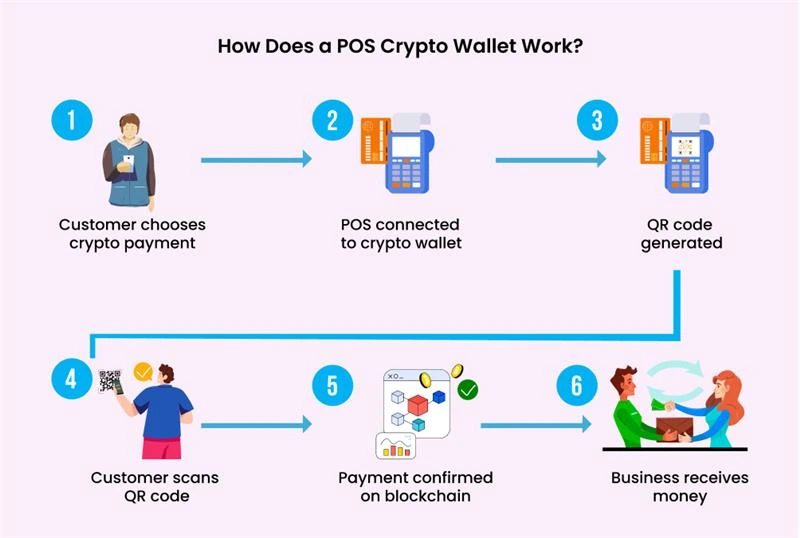
Crypto POS 2026 budget
Setting a realistic budget for a crypto-enabled point-of-sale system requires balancing upfront hardware costs with ongoing settlement fees. The goal in 2026 is not just to accept digital assets, but to do so without eroding thin retail margins through volatility or high transaction fees.
Hardware and software choices that change the plan
Your hardware choice dictates your initial capital expenditure. A dedicated crypto POS terminal offers better security and faster processing than a general-purpose tablet, but it comes with a higher price tag. Software licensing is often a monthly recurring cost, so factor this into your long-term budget. Look for systems that offer seamless fiat conversion to protect your revenue from market swings.
Recommended POS Hardware
Choosing the right hardware is critical for a smooth customer experience. These devices are widely used in retail environments for their reliability and integration capabilities.


As an Amazon Associate, we may earn from qualifying purchases.
Hidden Costs to Watch
Beyond the initial purchase, consider the cost of integration and maintenance. Some providers charge per-transaction fees that can add up quickly if you process high volumes. Additionally, ensure your internet connection is stable, as downtime means lost sales. Budget for a backup power source to keep your system running during outages.
Shortlist real options
With 40% of U.S. merchants now accepting digital assets, choosing the right crypto POS system is less about novelty and more about operational reliability. The market has shifted from experimental wallets to integrated processors that handle settlement, compliance, and customer experience simultaneously.
The following comparison evaluates the strongest contenders for 2026 based on fee structures, supported currencies, and hardware compatibility. We focus on practical deployment factors rather than speculative token performance.
| Provider | Fees | Currencies | Hardware | Settlement |
|---|---|---|---|---|
| Cyclebit | 0.9% + 10¢ | BTC, ETH, LTC, DOGE | Custom terminals, mobile apps | Instant fiat or crypto |
| BitPay | 1% | BTC, ETH, USDC, BNB | POS integrations, QR codes | Instant fiat (USD/EUR) |
| Coinbase Commerce | 1% | BTC, ETH, LTC, USDC, DOGE | API-driven, QR codes | Crypto only |
| CoinGate | 1% | 150+ cryptos | Plugins, QR codes | Crypto or fiat |
| BTCPay Server | 0% (self-hosted) | BTC, Liquid, Lightning | Any compatible device | Direct to wallet |
Cyclebit
Cyclebit stands out for merchants who want a dedicated hardware experience. Their custom terminals are built specifically for cryptocurrency transactions, offering a familiar tap-and-go interface for customers. The 0.9% fee is among the lowest in the industry, and the ability to settle instantly in fiat reduces volatility risk significantly.
BitPay
BitPay remains the industry standard for large-scale integration. With over 1% of merchants using their platform, the ecosystem support is unmatched. They support major stablecoins like USDC, which allows businesses to accept crypto without holding volatile assets. Their hardware integrations work with most existing POS systems, making migration straightforward.
Coinbase Commerce
For businesses already embedded in the Coinbase ecosystem, this option offers seamless API integration. However, it settles only in cryptocurrency, meaning merchants must manage their own treasury or use third-party services to convert to fiat. This is ideal for crypto-native businesses but adds complexity for traditional retail.
CoinGate
CoinGate offers the broadest currency support, accepting over 150 different cryptocurrencies. This is useful for international merchants who want to accept local crypto trends. The 1% fee is standard, and their plugin support covers most major e-commerce platforms. Settlement options include both fiat and crypto, providing flexibility.
BTCPay Server
BTCPay is the open-source choice for those who prioritize sovereignty. There are no transaction fees, but you are responsible for hosting and security. This is best for technical teams who want full control over their keys and data. It supports Bitcoin and Lightning Network, making it ideal for low-fee, high-speed transactions.
Inspect the expensive parts
Use this section to make the Crypto POS Integration decision easier to compare in real life, not just on paper. Start with the reader's actual constraint, then separate must-have requirements from details that are merely nice to have. A practical choice should survive normal use, maintenance, timing, and budget. If a recommendation only works in an ideal situation, call that out plainly and give the reader a fallback path.
-
Verify the basicsConfirm the core specs, condition, and fit before comparing extras.
-
Price the downsideLook for the repair, maintenance, or replacement cost that would change the decision.
-
Compare alternativesCheck at least two comparable options before treating one listing as the benchmark.
Plan for ownership costs
A low upfront price for a crypto POS terminal often masks the real expenses that accumulate over time. When you factor in hardware maintenance, software subscriptions, and settlement fees, a "budget" system can quickly cost more than a premium alternative. The initial purchase is just the entry fee; the ongoing operational costs determine your actual margin.
Hardware and Maintenance
POS hardware in the crypto space faces unique wear and tear. Unlike traditional card readers, crypto terminals often require specialized peripherals for offline signing or secure element management. If the hardware fails, replacement costs can be steep, especially if the vendor locks you into their proprietary peripherals. Always check the warranty terms and the cost of replacement parts before buying.
Software and Integration Fees
Most modern crypto POS solutions operate on a subscription model. These fees cover security updates, compliance monitoring, and integration with your existing accounting software. Some providers charge per-transaction fees on top of the subscription. If your software doesn't integrate smoothly with your existing stack, you may need to pay for custom development or middleware, adding another layer of cost that wasn't visible at checkout.
Settlement and Fiat Conversion
The hidden cost often lies in how you move money from crypto to fiat. Some processors offer instant fiat settlement but charge a premium spread. Others allow you to hold crypto, exposing you to market volatility. If you choose to convert to fiat, check the withdrawal fees and the time it takes for funds to hit your bank account. A slow settlement process can tie up your capital, effectively increasing your cost of doing business.


As an Amazon Associate, we may earn from qualifying purchases.
Crypto pos 2026: what to check next
Merchants integrating crypto payments often face practical hurdles regarding profitability, asset selection, and regulatory visibility. The following answers address the most common objections and technical constraints for 2026.
No comments yet. Be the first to share your thoughts!