
The shift to instant settlement
The narrative around cryptocurrency is undergoing a structural change. In 2026, the focus has moved from speculative holding to transactional utility. Merchants are no longer treating digital assets as long-term investments; they are using them as immediate settlement rails. This transition is driven by the need for speed, lower costs, and predictable revenue, with stablecoins and Lightning Network infrastructure leading the charge.
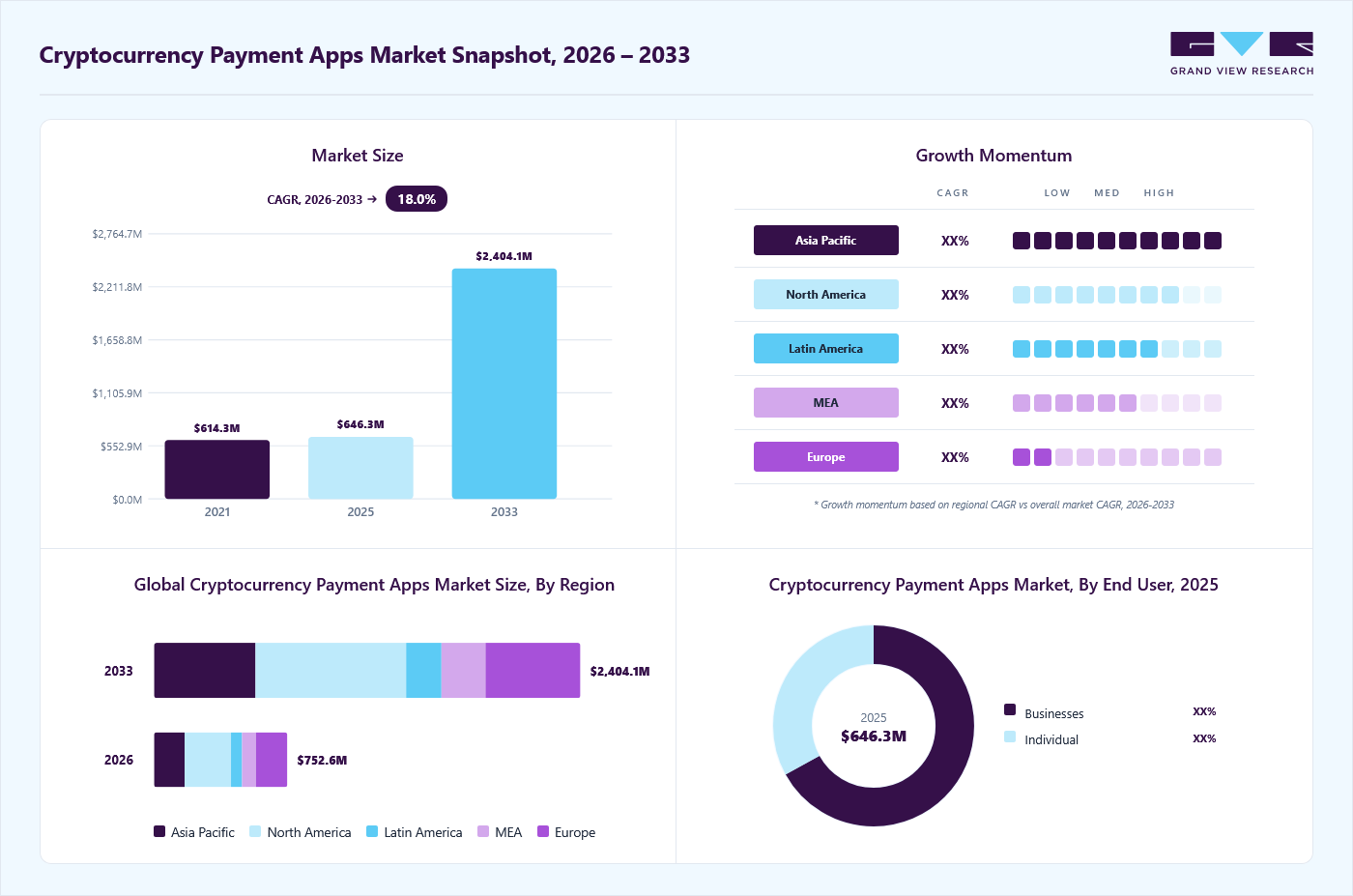
The scale of this adoption is measurable. A PayPal survey from January 2026 revealed that 39% of US merchants now accept some form of cryptocurrency at checkout. This is not a marginal trend. It represents a fundamental reworking of the point-of-sale (PoS) landscape. The volume of transactions is shifting away from volatile assets like Bitcoin toward stablecoins pegged to fiat currencies, and increasingly toward Layer-2 solutions that offer near-instant finality.
For financial operators, this shift introduces a new risk profile. Instant settlement eliminates the window for price arbitrage but requires robust integration with real-time payment processors. The infrastructure must handle high throughput and maintain compliance with evolving tax and reporting standards. The market is rewarding systems that provide seamless, backend clarity rather than just frontend acceptance.
This adoption rate signals that crypto PoS is no longer a niche experiment. It is becoming a standard option for businesses seeking to reduce payment processing fees and expand their customer base. The technology is mature enough to support daily commerce, provided the underlying settlement layer remains stable and efficient.
USDC and Lightning dominate checkout
The architecture of crypto point-of-sale (POS) systems in 2026 has shifted decisively away from Bitcoin on-chain transactions for daily retail. The friction of block confirmation times and volatile gas fees made the original model unsustainable for small-ticket items. Instead, the market has converged on a dual-rail system: USDC for price stability and Lightning Network for instantaneous settlement. This combination effectively neutralizes the two primary risks of crypto payments—currency fluctuation and transaction latency—making it viable for high-volume, low-margin environments like coffee shops and grocery stores.
USDC serves as the anchor for this ecosystem. By pegging the transaction value to the US dollar, merchants eliminate the risk of waking up to a 5% drop in asset value after a sale is completed. This stability is critical for accounting and tax compliance, allowing businesses to treat crypto payments with the same predictability as fiat. A January 2026 survey by PayPal indicated that 39% of US merchants were already accepting crypto, with the vast majority of that volume settling in stablecoins rather than volatile assets like Bitcoin or Ethereum. This shift reflects a pragmatic adoption curve where utility outweighs speculation.
Speed is provided by the Lightning Network, which operates as a layer-2 solution on top of Bitcoin. While USDC provides stability, Lightning offers the finality required for retail. Transactions settle in milliseconds with fractions of a cent in fees, a stark contrast to the minutes or hours required for on-chain confirmations. This immediacy allows the merchant to receive funds that are immediately spendable or convertible, removing the need for complex hedging strategies. The integration of these two rails—stable value and instant movement—has created a robust infrastructure that competes directly with traditional card networks on both cost and convenience.
The dominance of this pair is not just a technological preference but a market necessity. As merchants seek to reduce payment processing fees, which often range from 2% to 3% with traditional processors, the near-zero cost of Lightning settlements combined with the predictable value of USDC offers a compelling alternative. This setup allows small businesses to retain more of their revenue while offering customers a modern, efficient payment method. The result is a checkout experience that feels identical to using a credit card, but with the underlying benefits of decentralized, borderless finance.
Compare top crypto payment gateways
Selecting a payment processor is a risk management decision. The wrong gateway introduces settlement delays, hidden fees, or compliance friction that can erase thin retail margins. For 2026, the market has split between legacy incumbents and newer architectures built for stablecoins and Bitcoin Lightning.
BitPay remains the largest processor by volume, offering broad fiat settlement but at a higher cost basis. Cyclebit targets the Bitcoin-native space with lower fees and Lightning support. PayBito positions itself as a flexible alternative for merchants seeking USDC settlement and multi-chain support. The table below breaks down the critical differences.
| Gateway | Fees | Supported Coins | Settlement Speed |
|---|---|---|---|
| BitPay | 1% | BTC, ETH, USDC | Instant (Fiat) |
| Cyclebit | 0.9% | BTC, Lightning | Near-instant |
| PayBito | 1.5% | USDC, ETH, BTC | Instant (On-chain) |
BitPay’s 1% fee is competitive for high-volume merchants who prioritize fiat off-ramping. However, its reliance on traditional banking rails can introduce delays during high volatility. Cyclebit’s 0.9% fee and Lightning integration offer a compelling alternative for merchants already holding Bitcoin, reducing exposure to USD fluctuation. PayBito’s higher 1.5% fee reflects its multi-chain infrastructure, which provides greater flexibility for merchants operating across different blockchain ecosystems.
Settlement speed is often the deciding factor. In a high-stakes retail environment, every second of delay is a risk. BitPay and PayBito offer instant fiat or on-chain settlement, while Cyclebit’s Lightning network provides near-instant finality for Bitcoin transactions. Merchants must weigh the cost of fees against the speed of settlement and the stability of the supported coins.
Hardware and integration steps
Deploying a real-time settlement system requires aligning physical terminals with software infrastructure. The architecture must support instant conversion of USDC or Lightning Network transactions to mitigate volatility risk. This process involves selecting certified hardware and establishing secure wallet connectivity.
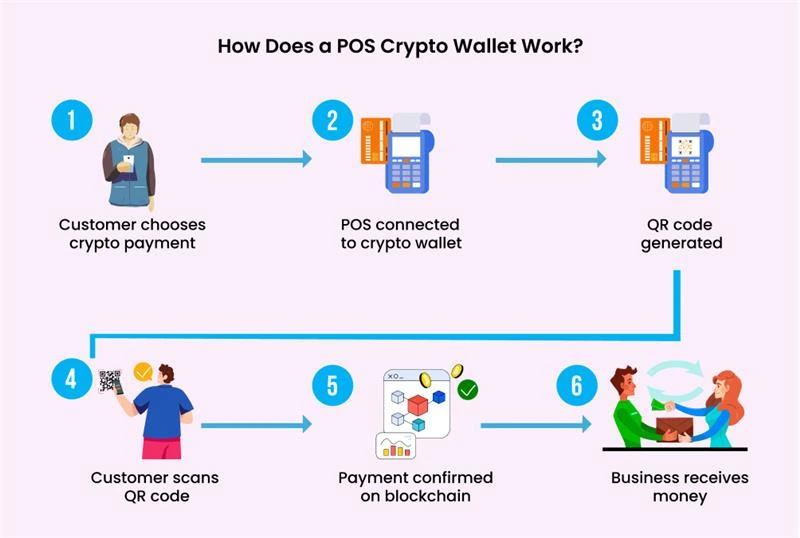
Identify transaction volume and average ticket size. High-volume retailers need terminals with dedicated NFC antennas for tap-to-pay, while lower-volume operations may use mobile-based solutions. Determine whether you require immediate fiat conversion or stablecoin retention.
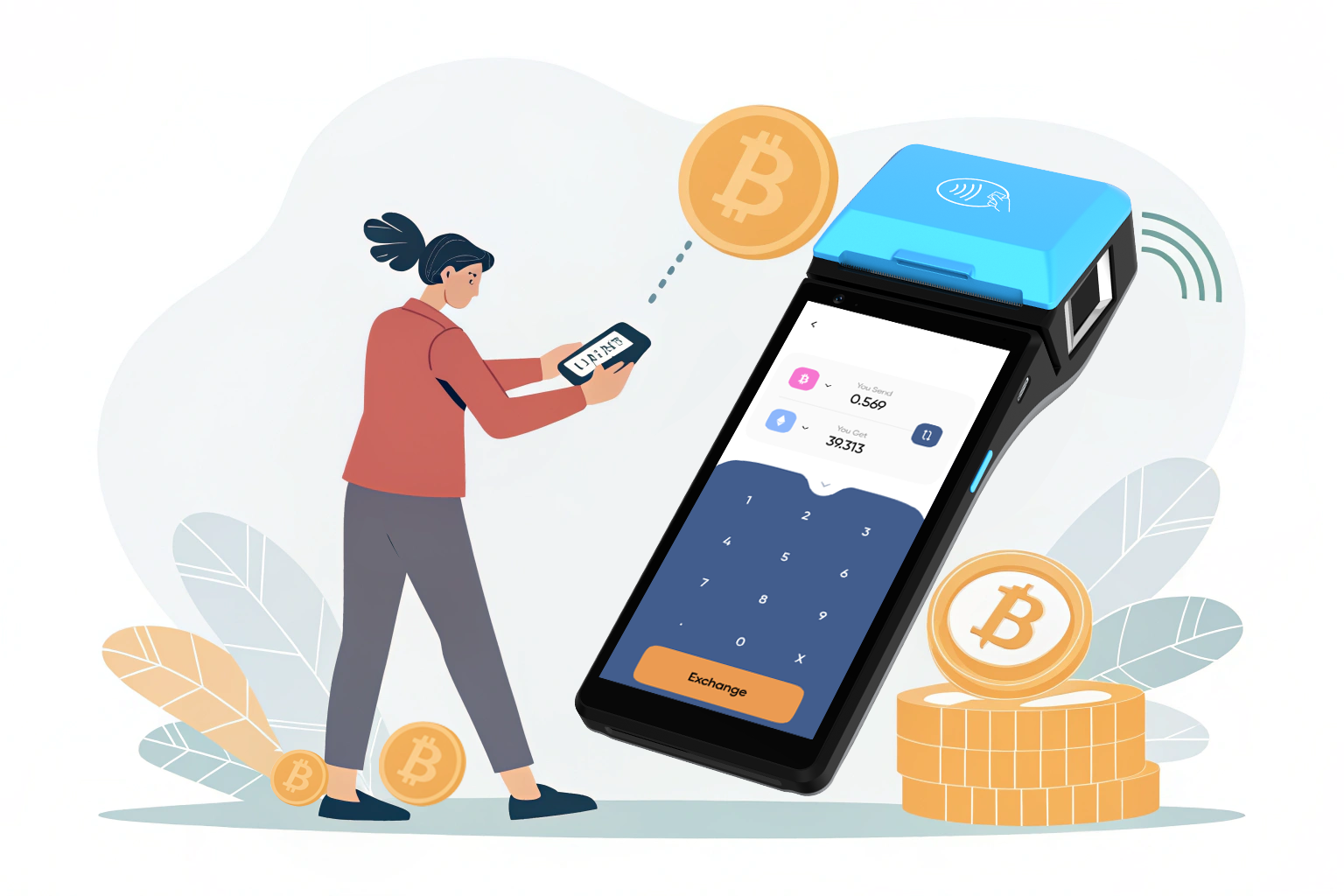
Choose EMV-certified terminals that support contactless payments. Verify compatibility with your chosen payment gateway. Hardware must handle high-frequency transactions without latency, ensuring the checkout process remains frictionless for customers.
Set up non-custodial or custodial wallets depending on risk tolerance. For USDC, ensure the wallet supports the ERC-20 or Solana standards relevant to your region. Implement multi-signature protocols for enterprise-level security to prevent unauthorized access to settlement funds.
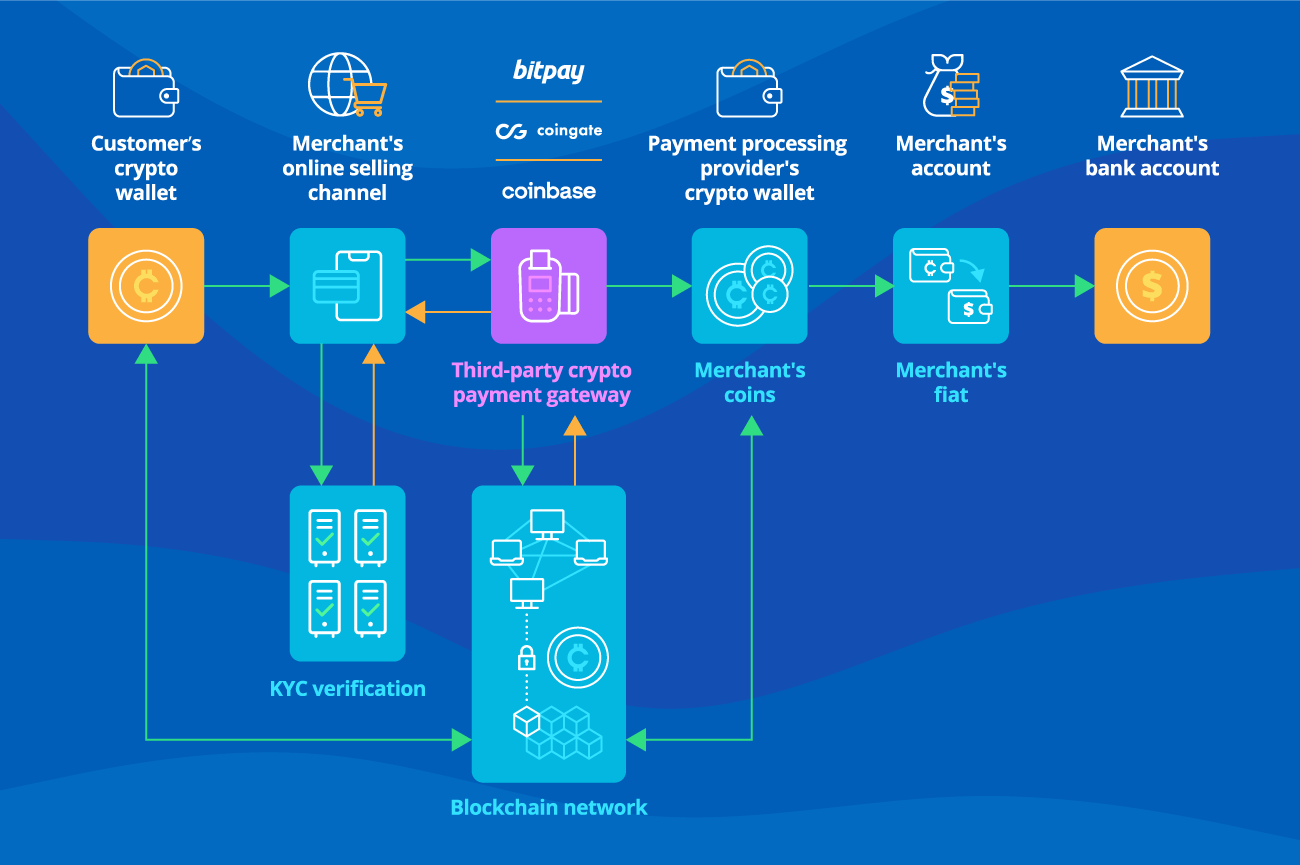
Connect your POS software to a crypto payment processor. Use API keys to enable real-time exchange rate fetching. The integration must automatically convert crypto to your preferred stablecoin or fiat currency upon transaction confirmation to eliminate exposure to market swings.
Run sandbox transactions to verify end-to-end settlement times. Check that receipts generate correctly and inventory updates in real time. Once validated, switch the terminal to live mode and monitor the first 24 hours of transactions for anomalies.
This infrastructure forms the backbone of your 2026 crypto POS strategy. Proper integration ensures that real-time settlement delivers its promised risk reduction and liquidity benefits.
Tax and compliance considerations
Accepting USDC or Lightning Network payments does not shield merchants from IRS scrutiny. The agency treats cryptocurrency as property, meaning every transaction triggers a taxable event when converted to fiat or used to settle liabilities. Real-time settlement accelerates cash flow, but it does not accelerate tax reporting. Merchants must track the fair market value of every stablecoin received at the moment of exchange.
Stablecoin settlement still triggers taxable events upon conversion to fiat
The IRS has made its position clear: virtual currency is property for federal tax purposes. This classification applies regardless of the underlying technology, whether it is a Layer 2 Lightning channel or an ERC-20 USDC transfer. When a customer pays with crypto, the merchant realizes gain or loss based on the difference between the received value and the cost basis of the asset if it were held, or more commonly, the fiat value at the time of sale for immediate settlement. Record-keeping must be precise. Missing data points can lead to audits, penalties, and back taxes.
Compliance extends beyond federal reporting. State-level sales tax obligations remain unchanged by the payment method. A sale made in USDC is still a taxable retail transaction in most jurisdictions. Merchants must ensure their Point of Sale systems correctly flag the taxable nature of the goods, not the medium of exchange. Failure to remit sales tax because payment was received in crypto is not a valid defense in most states.
The landscape is shifting, but the baseline remains strict. As adoption grows, the IRS is increasing its focus on crypto-fiat on-ramps and exchanges. While direct peer-to-peer wallet monitoring is complex, the trail is visible through regulated entities. Merchants using compliant payment gateways benefit from automated 1099-K reporting tools, but the ultimate responsibility for accurate filing rests with the business owner. Treat crypto payments with the same rigor as cash transactions.
No comments yet. Be the first to share your thoughts!