
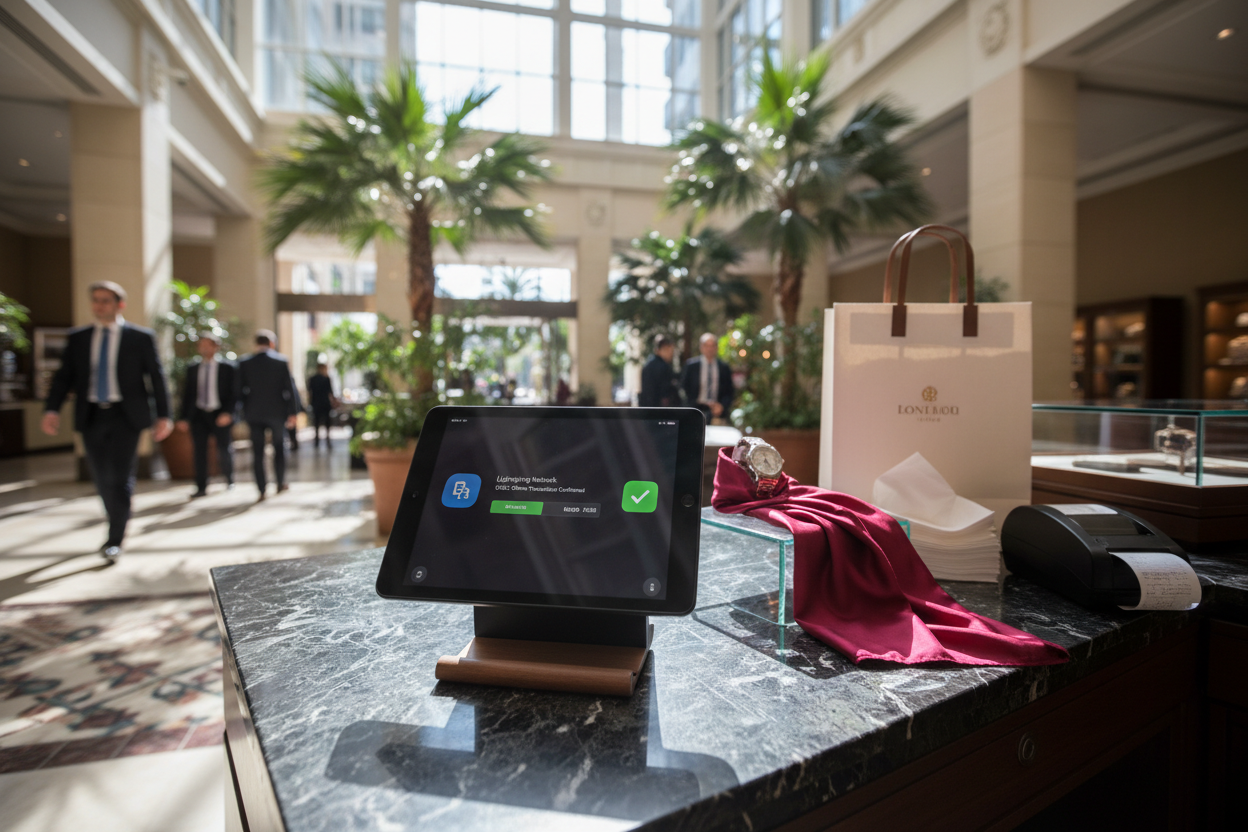
In the bustling aisles of retail shops, where every second counts and connectivity can't always be guaranteed, Lightning Network POS terminals are quietly revolutionizing how merchants handle USDC payments offline. These devices, optimized for Lightning POS terminals, blend the speed of Bitcoin's layer-2 scaling with stablecoin stability, allowing seamless USDC offline payments via NFC taps or QR scans. No more lost sales during internet outages; transactions confirm instantly, funds settle securely, and merchants sidestep traditional payment processors' hefty cuts.
Why Retail Shops Are Shifting to Lightning-Enabled Crypto POS
Retail environments demand reliability, and crypto POS retail solutions powered by the Lightning Network deliver just that. Drawing from recent market shifts, terminals like those from Opago and LNPoS support offline modes, storing transactions locally until channels sync. This isn't hype; it's practical evolution. Merchants report fees plunging to fractions of a cent per transaction, compared to 2-3% card rates. Availability is immediate, eliminating chargeback headaches that plague Visa and Mastercard.
Consider the landscape: Opago's GEN1 terminal handles NFC and QR for Bitcoin or euro equivalents, bridging to USDC rails effortlessly. Ambrosia PoS runs self-custodial Phoenix nodes, giving shops full sovereignty. Meanwhile, initiatives like Bitcoin 30A's free terminals in Florida highlight grassroots adoption, complete with training for non-techy staff. These tools position Lightning Network point of sale as the backbone for crypto-native retail.
Global trends amplify this. Square's Lightning tests with Compass Coffee proved viability years ago, and now Walmart eyes direct crypto checkouts including Ethereum and XRP alongside Bitcoin. Reddit merchants echo the sentiment: Lightning slashes costs, boosts cash flow, and future-proofs against fiat volatility.
Offline USDC Transactions: How Lightning Makes It Possible
Offline capability sets NFC USDC terminals apart. Lightning channels pre-fund payment paths, enabling zero-confirmation spends without blockchain queries. For USDC, bridged implementations layer stable value atop these channels, ensuring parity even in spotty coverage areas like markets or vending setups. Devices queue signed transactions, batch-uploading upon reconnection, with cryptographic proofs preventing doublespends.
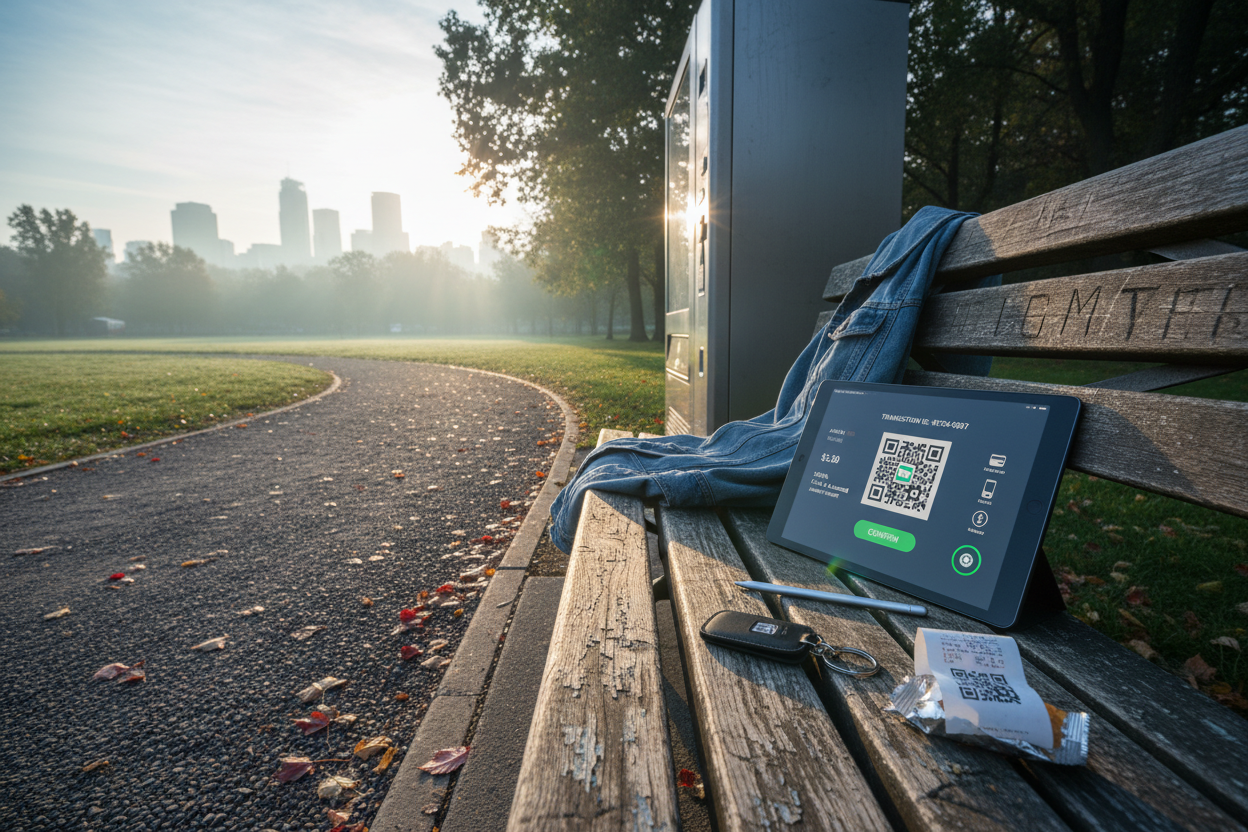
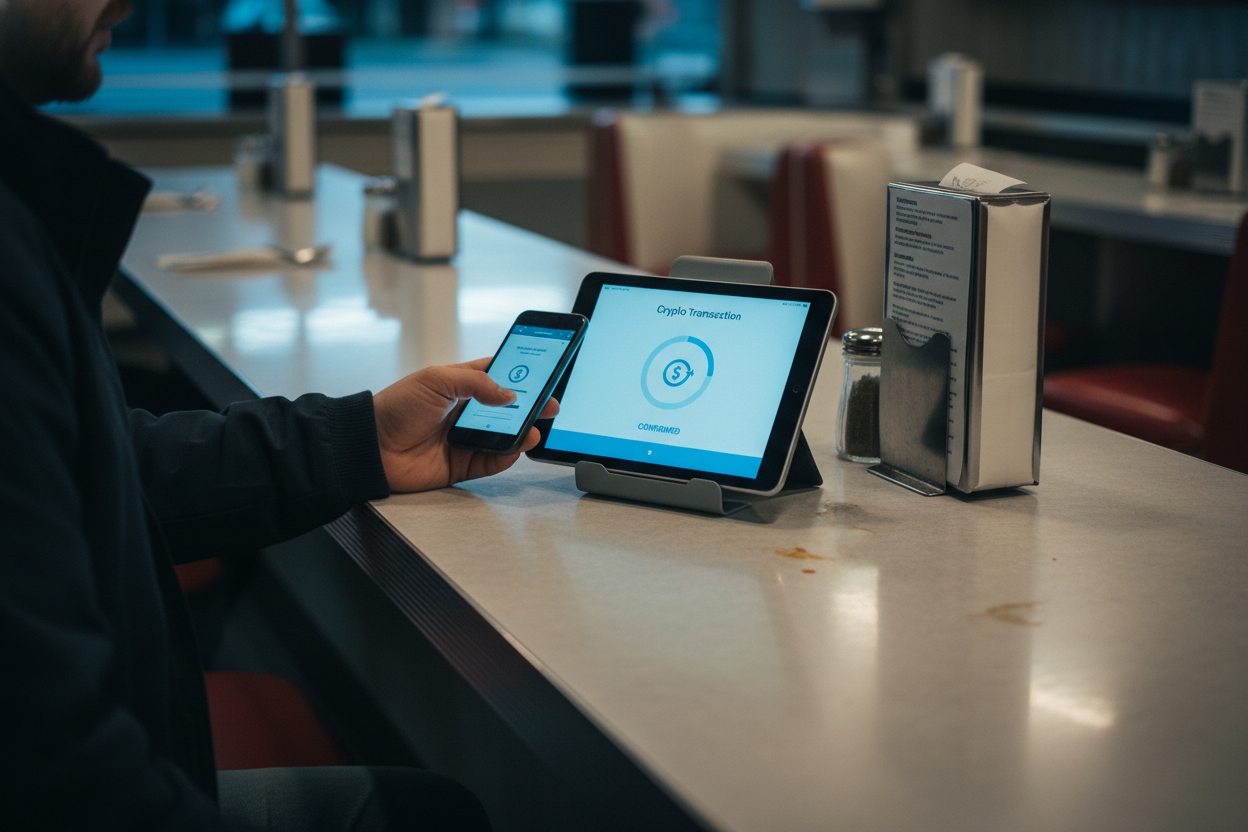
This matters profoundly for retail. Picture a busy farmer's market: customer taps NFC with loaded wallet, terminal beeps approval, receipt prints. No internet? No problem. LNPoS exemplifies this with LNURLPoS for offline Lightning, extending to USDC via compatible wallets. Opago adds euro settlements, hedging crypto swings while retaining speed.
Self-custody reigns supreme here. Unlike custodial processors like BitPay's QR checkouts, open-source options from Ambrosia let merchants run their nodes, dodging intermediary risks. Fees? Often zero beyond channel management, a boon as bridged USDC hovers stable.
Merchant Advantages in a DeFi-Driven POS Era
DeFi at point-of-sale isn't theoretical; it's operational. Douglas Ring's insights on LinkedIn nail it: Lightning unlocks instant, borderless payments, now fortified for offline USDC. Retailers gain edges like programmable incentives - loyalty sats via Lightning, or USDC rebates - without app downloads.
Cost analysis reveals the tilt. Traditional POS: 48-hour holds, reversal risks. Lightning: sub-second finality, immutable records. Guides from TrySpeed and Pay With Flash list top apps, but hardware like CryptoPOS HQ's terminals elevate it, fusing USDC/Lightning with NFC for tap-and-go retail bliss.
Multichain Bridged USDC (Fantom) Price Prediction 2027-2032
Projections amid Lightning Network POS adoption enabling offline USDC payments in retail shops
| Year | Minimum Price | Average Price | Maximum Price | Avg YoY % Change |
|---|---|---|---|---|
| 2027 | $0.020 | $0.040 | $0.070 | +75.4% |
| 2028 | $0.030 | $0.065 | $0.110 | +62.5% |
| 2029 | $0.040 | $0.095 | $0.160 | +46.2% |
| 2030 | $0.055 | $0.130 | $0.220 | +36.8% |
| 2031 | $0.070 | $0.170 | $0.290 | +30.8% |
| 2032 | $0.090 | $0.220 | $0.380 | +29.4% |
Price Prediction Summary
Multichain Bridged USDC (Fantom) is forecasted to see robust growth from its 2026 price of $0.0228, driven by Lightning Network POS terminal integrations like Opago, Ambrosia PoS, and LNPoS, which enable offline USDC payments in retail. Average prices are expected to rise progressively to $0.220 by 2032, with min/max ranges capturing bearish (regulatory/market downturns) and bullish (mass adoption/tech synergies) scenarios. Overall CAGR ~41%, aligning with crypto cycles and stablecoin utility expansion.
Key Factors Affecting USD Coin Price
- Lightning POS terminal adoption (Opago, Ambrosia, LNPoS, Bitcoin 30A)
- Offline USDC payment capabilities reducing friction in retail
- Fantom network scalability and bridging efficiencies
- Crypto market cycles, including Bitcoin halving impacts
- Regulatory developments favoring stablecoin payments
- Competition from native USDC and other L2 solutions
- Technological advancements in Lightning-USDC interoperability
Disclaimer: Cryptocurrency price predictions are speculative and based on current market analysis. Actual prices may vary significantly due to market volatility, regulatory changes, and other factors. Always do your own research before making investment decisions.
Adoption surges as wallets proliferate. Phoenixd integrations simplify node ops, while free programs lower barriers. Shops aren't just accepting crypto; they're thriving in a hybrid economy where offline resilience defines winners.
Yet nuance tempers optimism. Channel liquidity demands upfront capital, though submarine swaps mitigate. Still, for volume retailers, yields from routing fees offset this, turning POS into profit centers.
Merchants adept at channel management transform these hurdles into opportunities. Tools like submarine swaps and loop services dynamically balance liquidity, while collaborative networks - think merchant pools along high-traffic corridors - distribute loads. Florida's Bitcoin 30A initiative shows how: free Lightning POS terminals come pre-loaded with liquidity, easing onboarding for cafes and boutiques. This shared model scales USDC offline payments, keeping costs negligible even as volumes climb.
Real-World Wins: Lightning POS in Action
Compass Coffee's early Square integration foreshadowed the shift, but today's terminals push boundaries. Opago's GEN1 hums in European shops, processing NFC taps for euros or sats with offline queuing. LNPoS powers markets, its LNURLATM dispensing Bitcoin alongside payments. Ambrosia's Phoenixd setup appeals to sovereignty-focused owners, running nodes on compact hardware. These aren't pilots; they're revenue engines. Retailers note 20-30% upticks in impulse buys from crypto users, drawn by frictionless NFC USDC terminals.
Lightning POS Key Advantages
- Lightning-Fast Speed: Transactions settle in seconds via Lightning Network, enabling seamless checkouts even at peak times, as seen with Opago and LNPoS terminals.
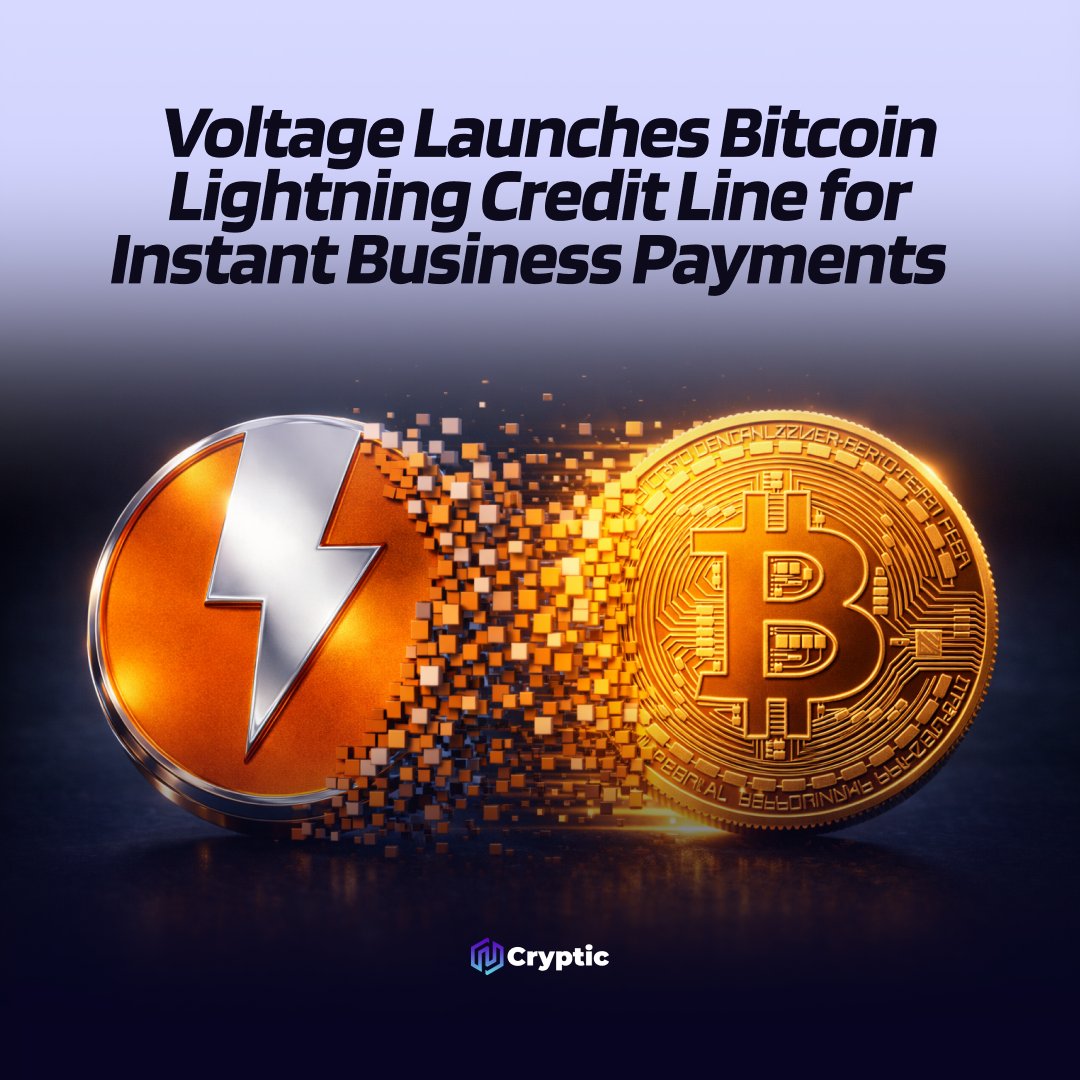
- Ultra-Low Fees: Transparent, minimal fees far below card networks; some solutions like Ambrosia PoS offer zero fees for instant Bitcoin settlements.
- Offline Support: NFC/QR payments work without internet, ideal for markets or events, supported by Opago GEN1 and LNPoS hardware.
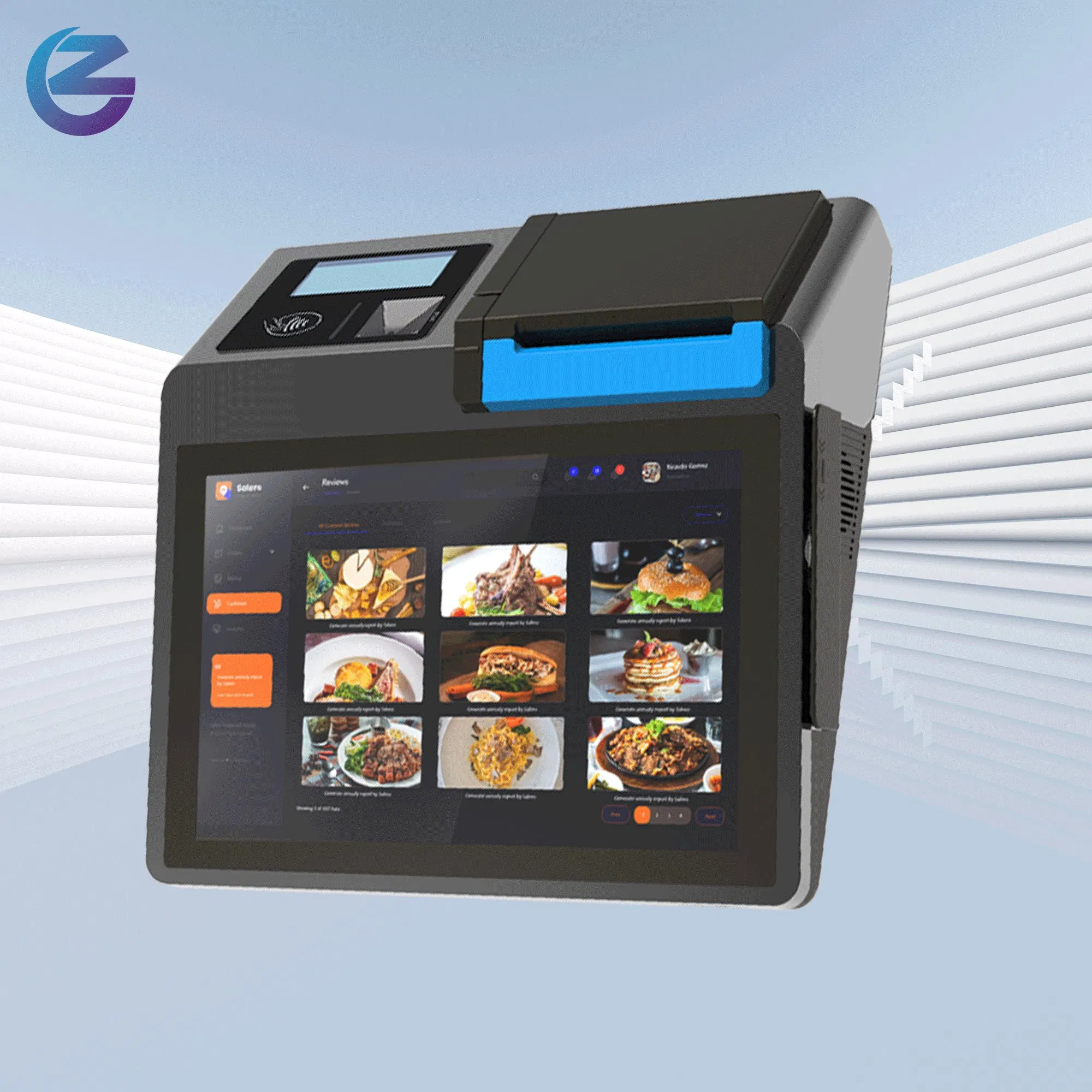
- No Chargebacks: Immutable Lightning transactions eliminate fraud risks and reversals, providing immediate fund availability for merchants.
- Self-Custody: Full control with self-custodial nodes like Phoenixd in Ambrosia PoS—no intermediaries, ensuring sovereignty over funds.
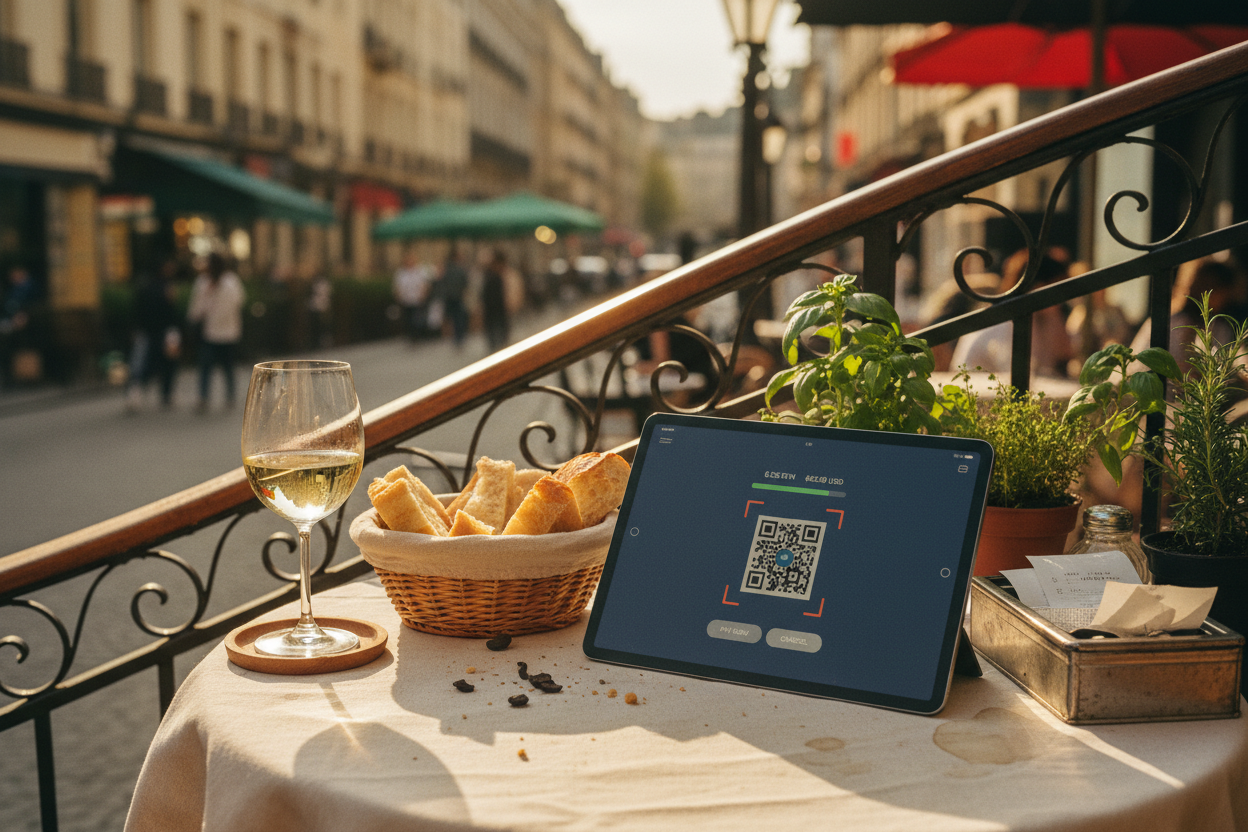
Bitcoin 30A's touchscreen units, with printers and tap-to-pay, train staff in hours. No IT degree required - scan QR, confirm, done. This democratizes crypto POS retail, pulling in demographics overlooked by banks: gig workers, tourists wielding loaded wallets. As Coca. xyz guides stress, QR hygiene prevents errors, but terminals automate it, glancing merchant details before sats fly.
Benchmarking the Shift: Traditional vs. Lightning POS
Traditional POS vs Lightning USDC POS
| Feature | Traditional POS | Lightning USDC POS |
|---|---|---|
| Fees | 2-3% | <0.1% |
| Settlement | 48h | Instant ⚡ |
| Offline | No | Yes |
| Chargebacks | High risk | None 🔒 |
Numbers don't lie. Lightning edges out on every metric, especially as Multichain Bridged USDC holds at $0.0228, up 0.1196% over 24 hours from a low of $0.0204. Stability like this anchors retail confidence, bridging fiat habits with crypto upside. Pay With Flash's 2025 app roundup underscores SDKs accelerating custom builds, yet hardware terminals like those from CryptoPOS HQ stand out for plug-and-play USDC/Lightning fusion.
Zoom out macro: global remittances hit records, but retail lags due to volatility fears. Lightning flips the script, channeling DeFi liquidity to shelves. Walmart's crypto pivot signals incumbents awakening; Ethereum and XRP join Bitcoin, but Lightning's layer-2 edge - sub-penny fees, global reach - cements its lead. Merchants routing payments earn yields, subsidizing ops in a fee-squeezed world.
Forward momentum builds. Open-source momentum from Ambrosia fosters innovation: imagine AI-optimized channels predicting peak-hour liquidity, or USDC-denominated rebates auto-distributed via LNURLs. Vending machines evolve too, NFC-equipped for untapped kiosks. CryptoPOS HQ's terminals pioneer this, offline prowess minimizing downtime in high-stakes retail.
Shops embracing Lightning Network point of sale aren't betting on crypto; they're arbitraging inefficiencies. Lower barriers mean broader adoption, from street vendors to chains. As liquidity matures and nodes proliferate, offline USDC becomes table stakes. Retail's future pulses with these resilient networks, where every tap unlocks economic fluidity long denied by legacy rails.

No comments yet. Be the first to share your thoughts!