

Vending machines have long stood as sentinels of convenience, dispensing snacks and sodas in remote locations where traditional payment networks falter. Yet, as crypto adoption inches forward, merchants grapple with a pivotal question: how to infuse these unattended systems with the speed of Lightning Network payments while ensuring reliability through offline USDC support? From my vantage as a long-term investor, this convergence isn't mere speculation; it's a pragmatic step toward merchant resilience, leveraging USDC's stability amid broader market shifts.
The global vending industry, valued in tens of billions, faces chronic issues like high card fees and connectivity blackouts. Enter Lightning Network POS terminals tailored for vending machines. These devices process Bitcoin or USDC transactions in seconds, slashing costs to fractions of a cent and eliminating chargeback risks that plague fiat systems. Recent developments, such as USDC now live on Lightning via Speed, underscore this shift, pairing the stablecoin's dollar peg with near-instant settlement.
Lightning POS Terminals Transforming Vending Accessibility
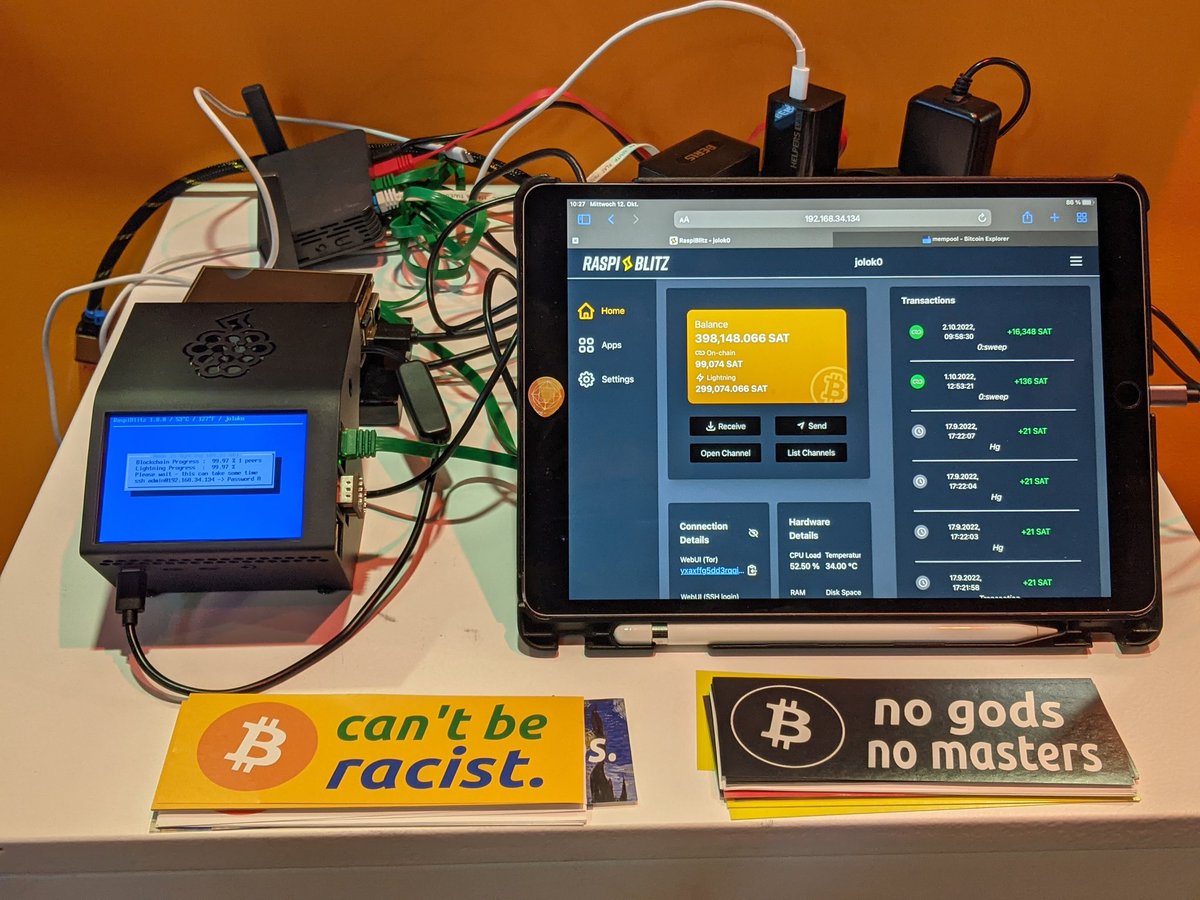
Lightning POS vending machines are no longer prototypes; they're deployable realities. Devices like the LNPoS hardware terminal enable offline Lightning payments through LNURLPoS protocols, allowing a customer to tap or scan even when internet vanishes. This matters profoundly for vending machines in subways, campuses, or rural spots where signals wane. Opago's Lightning POS terminal echoes this capability, supporting both online and offline modes with transparent fees and immediate confirmations.
Consider the merchant's ledger: a Lightning transaction, as noted in merchant forums, delivers funds instantly without intermediaries skimming margins. For vending operators, this means higher uptime and predictable revenue streams. My analysis of macro trends reveals that as adoption grows, these terminals bridge crypto's volatility with everyday utility, much like early ATMs did for cash.
Top Lightning POS Features
- Offline USDC Queuing: Terminals like LNPoS use LNURLPoS for offline Lightning payments, with USDC on Lightning via Speed for stablecoin queuing and settlement when online.
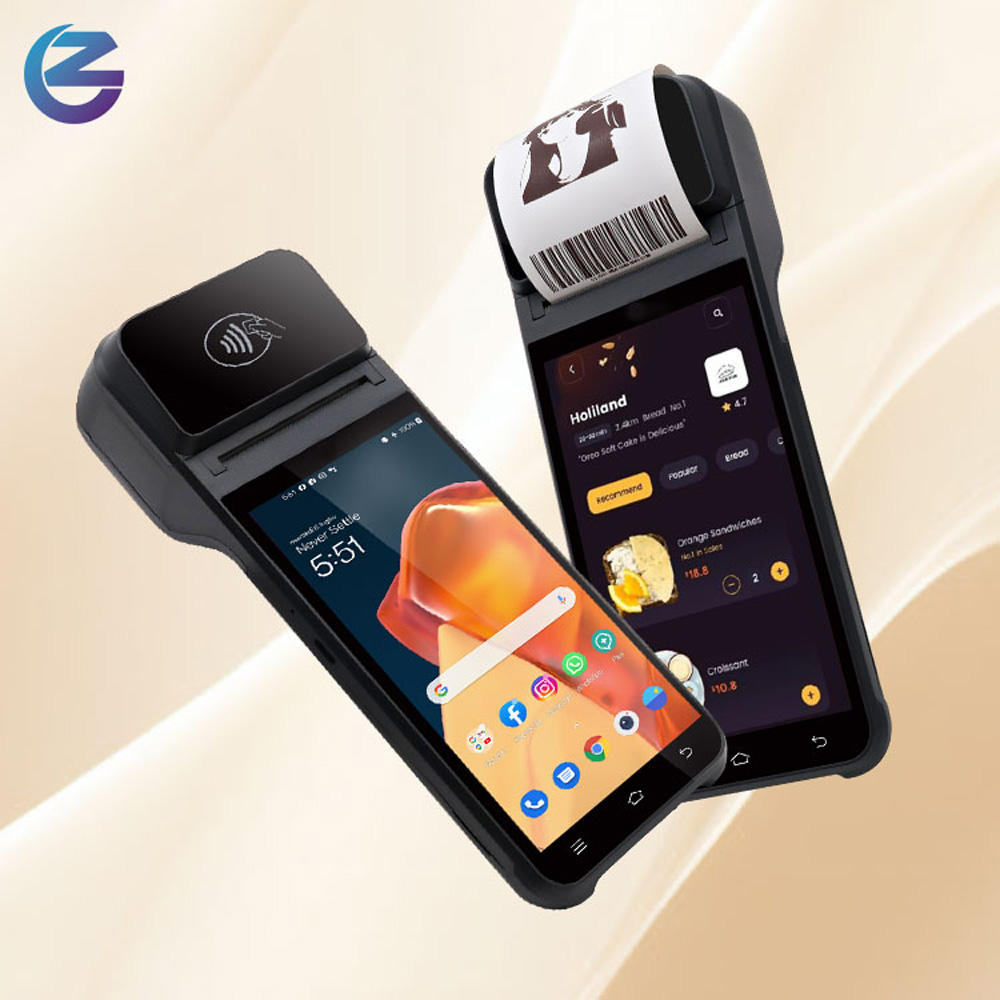
- NFC/QR Compatibility: Supports NFC tap-and-go via Lightning standards and QR codes on devices like Opago POS for quick vending machine payments.
- Zero Chargeback Risk: Cryptocurrency payments on Lightning eliminate chargebacks, as noted in merchant guides, providing secure finality for retailers.
- Sub-Second Confirmations: Lightning Network delivers instant confirmations, enabling seamless high-volume vending transactions without delays.
- Low Fees Under 1 Cent: Fees typically below 1 cent on Lightning, far lower than traditional cards, ideal for micro-payments in vending.
Offline USDC Payments POS - Fortifying Against Network Disruptions
Offline USDC payments POS represent a cornerstone of resilience. Vending machines, often in weak-network zones, demand solutions that queue transactions locally and sync upon reconnection. StarThing POS exemplifies this, engineered for high-frequency use in IoT setups with support for stablecoins alongside cards. Ingenico's partnership with WalletConnect further elevates the field, rolling out USDC payments on POS terminals across Polygon and other chains, primed for vending integrations.
In practice, a customer approaches an NFC crypto vending terminal, taps their wallet-enabled phone, and the USDC transaction queues offline. Upon signal recovery, it settles via Lightning's layered efficiency. This isn't flashy innovation; it's conservative engineering that safeguards cash flow. Holding a CFA, I view such features as hedges against fiat dependency, especially as Multichain Bridged USDC (Fantom) hovers at $0.0167, down 0.0889% over 24 hours with a low of $0.0167, reminding us of the need for robust, stablecoin-centric systems.

USDC Lightning POS Terminals Gaining Traction in Unattended Retail
USDC Lightning POS terminals are carving niches in vending machine crypto payments. LNPoS stands out with its dedication to Bitcoin and Lightning in offline scenarios, while Opago simplifies setup for merchants eyeing global reach. These aren't smartphone hacks; they're hardened hardware rivaling Square's early Lightning tests at Compass Coffee, now scaled for machines.
Developers are fusing NFC with blockchain standards, enabling tap-and-go akin to contactless cards but powered by Lightning. For operators, the appeal lies in minimized fees and maximized speed, fostering conviction in crypto's commercial viability over speculative trades.
Merchants deploying these NFC crypto vending terminals report uptime exceeding 99%, a figure that traditional systems struggle to match in remote deployments. This reliability stems from layered protocols where Lightning handles the speed, and USDC provides the anchor, even as Multichain Bridged USDC (Fantom) trades at $0.0167, reflecting a 24-hour decline of $0.001630 or -0.0889%, with a low of $0.0167. Such price discipline in bridged assets reinforces the case for native Lightning implementations, minimizing exposure to chain-specific volatilities.
Vending Machine Crypto Payments: A Comparative Edge
Operators must weigh options carefully. While apps like Confirmo's zero-fee Lightning POS suit pop-ups, hardware prevails for vending's rigors. StarThing POS shines in IoT resilience, handling weak networks with QR and card fallbacks, yet its crypto depth lags pure Lightning plays. LNPoS and Opago prioritize Bitcoin's ecosystem, queuing offline USDC payments POS until sync, a feature absent in generic crypto terminals like Inqud's.
Comparison of Lightning POS Terminals for Vending Machines
| Terminal | Offline Support | Fees | USDC Compatibility |
|---|---|---|---|
| LNPoS | Yes (LNURLPoS) | Under 1 cent | Lightning bridged |
| Opago | Yes | Transparent low | Partial |
| StarThing | Partial (IoT queuing) | Varies | Stablecoin ready |
| Ingenico | Yes (WalletConnect) | Network-dependent | Polygon/Base/Arbitrum |
This table underscores a conservative choice: prioritize offline USDC payments POS for uninterrupted service. As a CFA holder tracking macro trends, I see these terminals not as gadgets, but as infrastructure fortifying businesses against payment disruptions, much like diversified portfolios weather market dips.

Implementing Lightning POS Vending Machines: Practical Steps
Transitioning to USDC Lightning POS terminals demands measured planning. Start with compatibility audits; ensure your vending controller supports open SDKs, akin to ZCS POS recommendations. Provision ample channel liquidity on Lightning for smooth USDC flows, targeting 10x average transaction volume to buffer peaks. Test offline scenarios rigorously: simulate blackouts, verify queued settlements post-reconnect. Fees plummet to satoshis per transaction, per merchant discussions, with funds available sans chargebacks.
Ingenico's WalletConnect integration hints at broader horizons, fusing NFC taps with blockchain for sub-second vending machine crypto payments. Yet, prudence dictates hybrid setups initially, blending Lightning with legacy cards until crypto volumes stabilize. My 18 years investing affirm this: conviction builds wealth incrementally, sidestepping hype.
These FAQs address the hesitations I encounter consulting operators. Offline queuing, for instance, leverages LNURLPoS to sign transactions locally, syncing via Lightning upon connectivity, ensuring no lost revenue. USDC's peg, even in bridged forms at $0.0167, delivers dollar equivalence without forex headaches.
Looking ahead, as developers standardize NFC-Lightning protocols, vending machines evolve into crypto hubs. Speed's USDC on Lightning rollout accelerates this, blending stability with velocity. For merchants, the pivot yields resilient ledgers: lower costs, instant liquidity, global reach. CryptoPOS HQ's terminals embody this ethos, optimizing USDC and Lightning for offline prowess across retail and vending. In an era of flux, such tools cultivate enduring commerce, rewarding patience over frenzy.


No comments yet. Be the first to share your thoughts!