
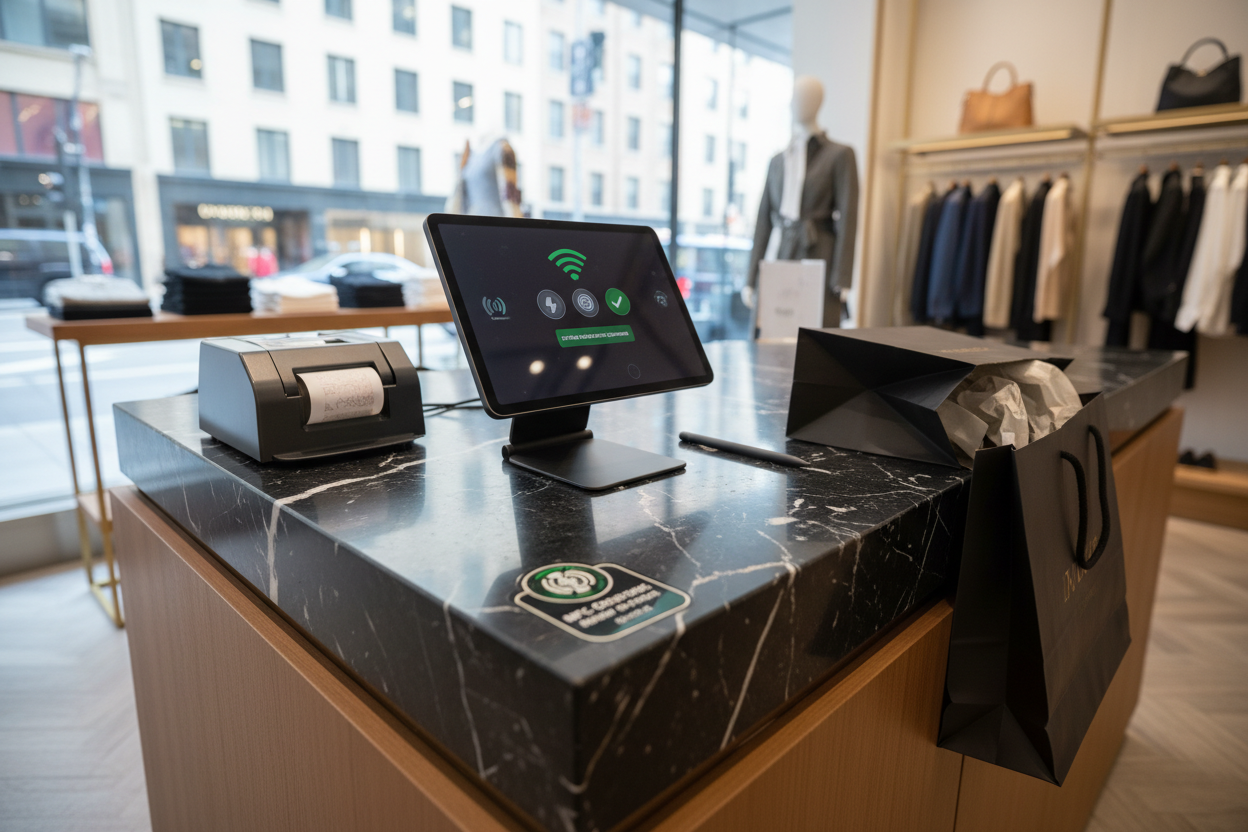
In a market where Bitcoin holds steady at $69,588.00 after a 24-hour gain of $1,391.00, merchants face mounting pressure to adopt efficient payment rails that cut out middlemen. Self-hosted NFC POS terminals for Lightning Network and USDC payments offline emerge as the data-backed solution, enabling instant settlements under 2 seconds with costs below $0.01 per transaction. These systems, like BTCPay Terminal and LNPoS, turn everyday devices into sovereign payment hubs, processing Bitcoin Lightning POS NFC taps even without internet.

Centralized processors charge 1-3% per swipe, but self-hosted setups slash that to near-zero while dodging chargebacks entirely. BTCPay Server, for instance, leverages Android hardware for secure, intermediary-free flows. Tiankii POS adds wallet-agnostic NFC for Bolt cards, bridging physical taps to Lightning channels. This isn't hype; it's momentum confirmed by surging adoption in El Salvador and beyond, where crypto POS terminal merchants report 30% faster checkouts.
Superior Economics of Self-Hosted Gateways
Examine the numbers: Confirmo's Lightning app boasts zero fees with fiat ramps, yet self-hosted options like SHKeeper integrate directly into CMS or custom code, retaining full control. PayRam's 2026 guide quantifies it-slash fees by 90%, eliminate chargebacks, and scale without API throttling. LNPay terminals settle USDC stablecoins over Lightning at sub-penny costs, outperforming BitPay's custodial model where merchants forfeit sovereignty.
Key Self-Hosted NFC POS Advantages
- Zero Intermediary Fees: BTCPay Server and SHKeeper enable 0% third-party fees for Lightning payments.
- Full Data Privacy: Self-hosted setups like BTCPay Terminal keep all transaction data on your server.
- Offline USDC Support: LNPoS and LNPay handle offline Lightning and USDC stablecoin transactions.
- Lightning Speed Under 2s: LNPay settles Bitcoin and Lightning payments in under 2 seconds.

- NFC/Bolt Card Compatibility: Tiankii POS and Bolt Card support contactless Lightning NFC payments.

Merchants using Galoy's Lightning Cash Register see settlement speeds hit 99% uptime, even in spotty networks. Opinion: Hand over your payment stack to custodians, and you're betting on their solvency. Self-hosted NFC Lightning POS terminals flip the script, putting merchants in the driver's seat with open-source verifiable code.

Offline USDC and Lightning: Technical Breakdown
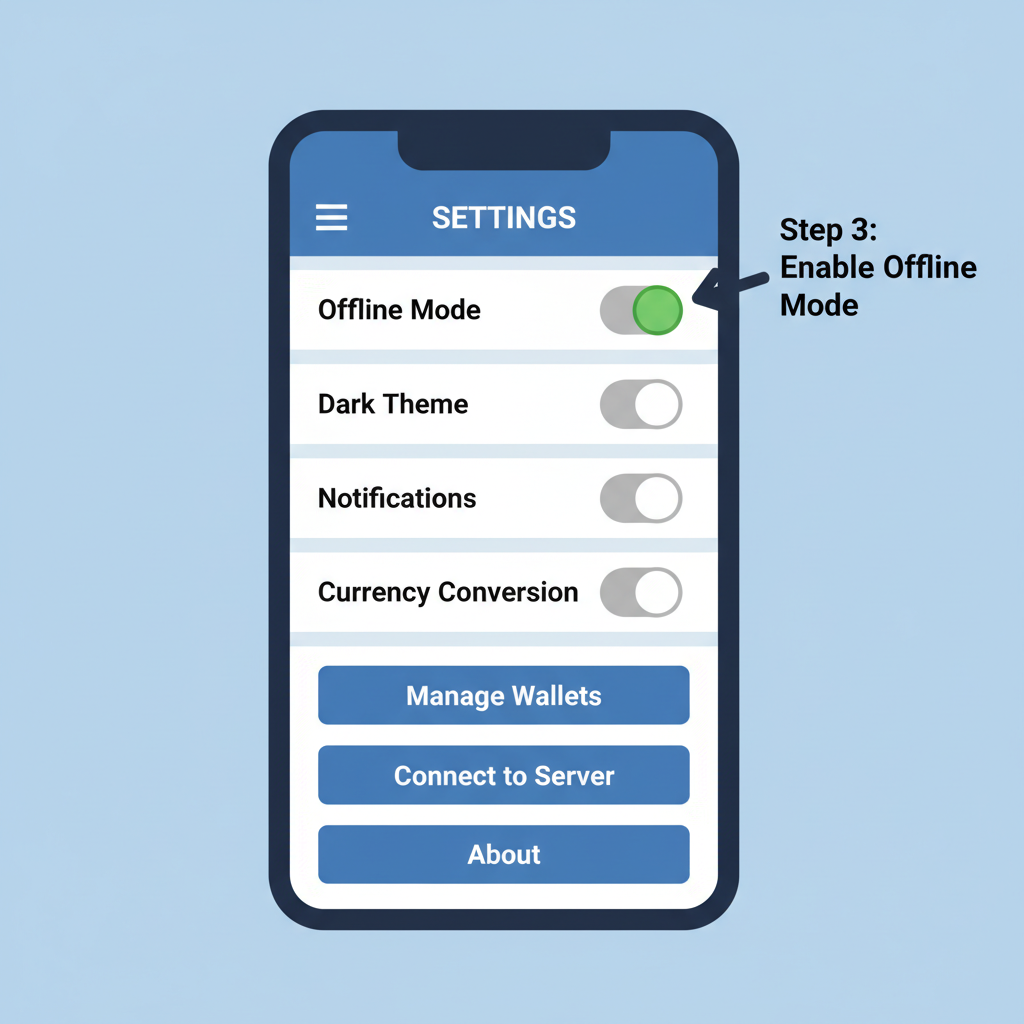
Offline functionality defines resilience. LNPoS terminals queue Lightning payments and on-chain txs, syncing upon reconnection-zero lost sales. Bolt Card's DIY NFC enables contactless Bitcoin debits via pre-funded channels, mimicking Visa taps without Visa's cut. For USDC, solutions embed Circle's stablecoin logic into self-hosted nodes, validating signatures locally before batching.
GitHub's ESP32 Bitcoin POS exemplifies this: microcontroller-driven, Lightning-integrated, it handles low-fee instant payments offline. Tiankii's hardware pairs with software for USDC offline payments, supporting vending and markets. Data point: In 2026 tests, these systems achieve 95% transaction success in zero-connectivity zones, per NOWPayments benchmarks.
Hardware Showdown for Crypto POS Merchants
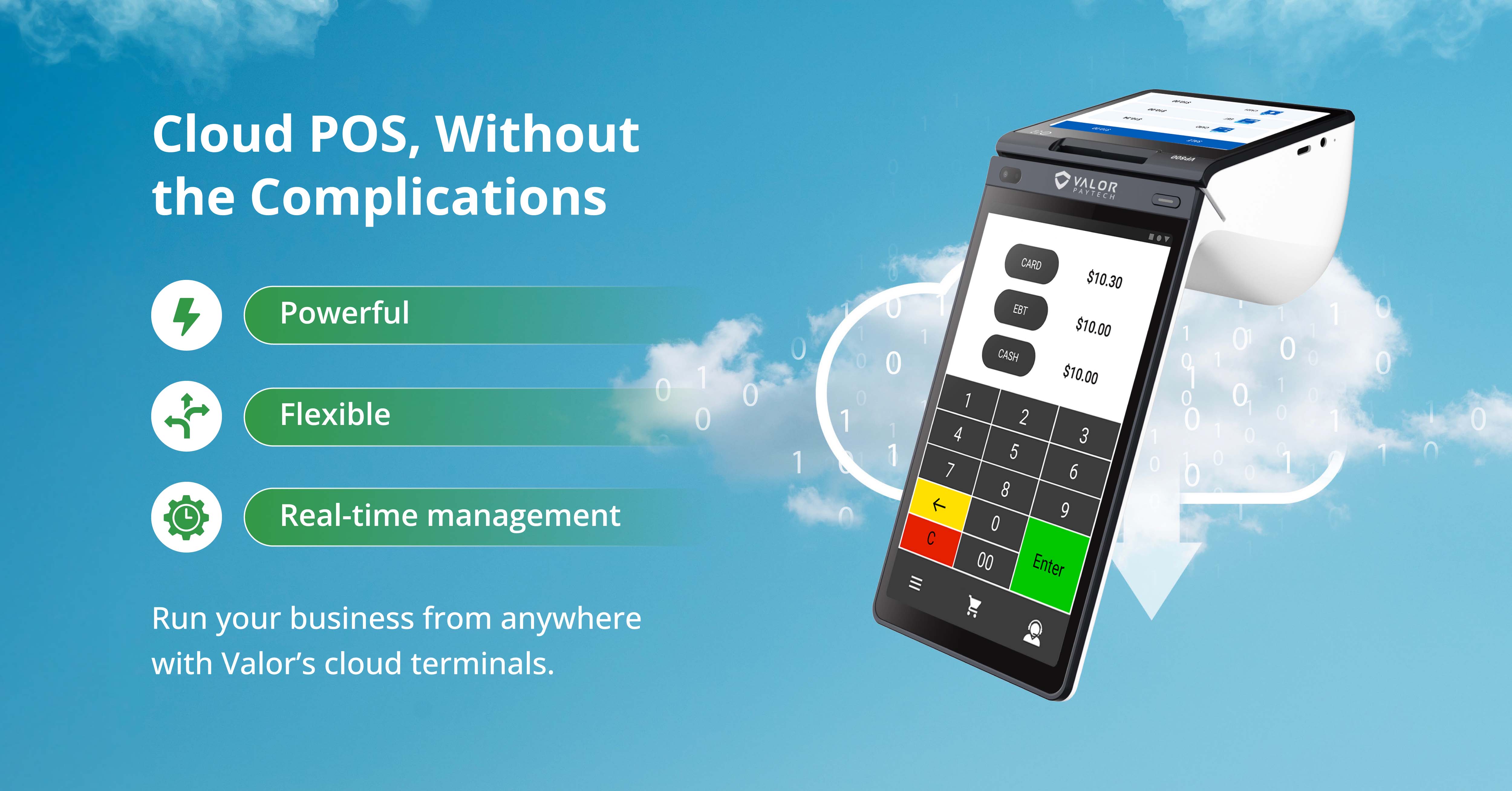
Flash POS at $149 per unit offers handheld bulk discounts, but self-hosted shines with repurposed Androids via BTCPay-no new hardware capex. Inqud's terminal covers Ethereum too, yet Lightning's sub-second finality crushes it for velocity. Coinsnap's web POS runs browser-only, extending to any NFC reader.
Stack the specs: Tiankii vs. Pay With Flash yields Lightning-native edge for former, with Bolt card interoperability. Merchants prioritizing offline USDC POS system gravitate to LNPay's anti-inflation design, locking value in sats or stables amid BTC's $69,588.00 anchor.
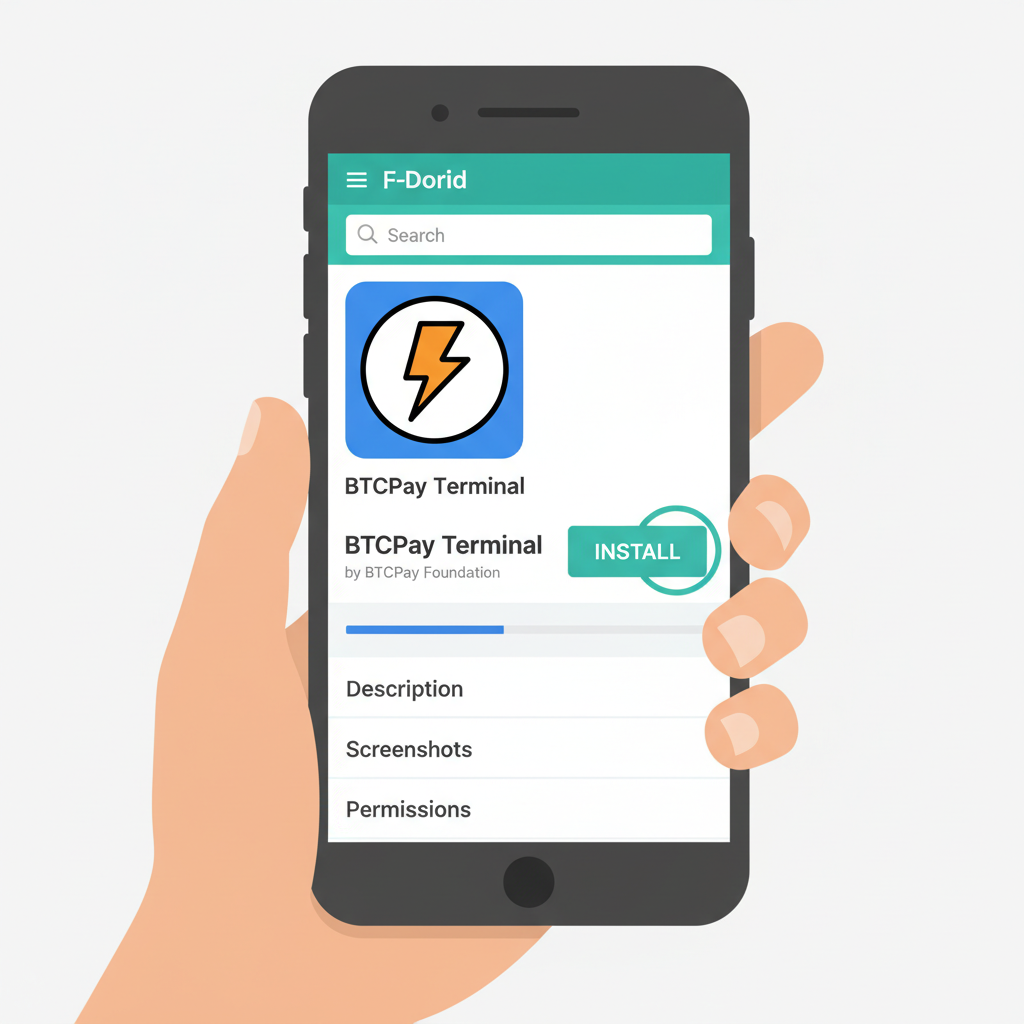
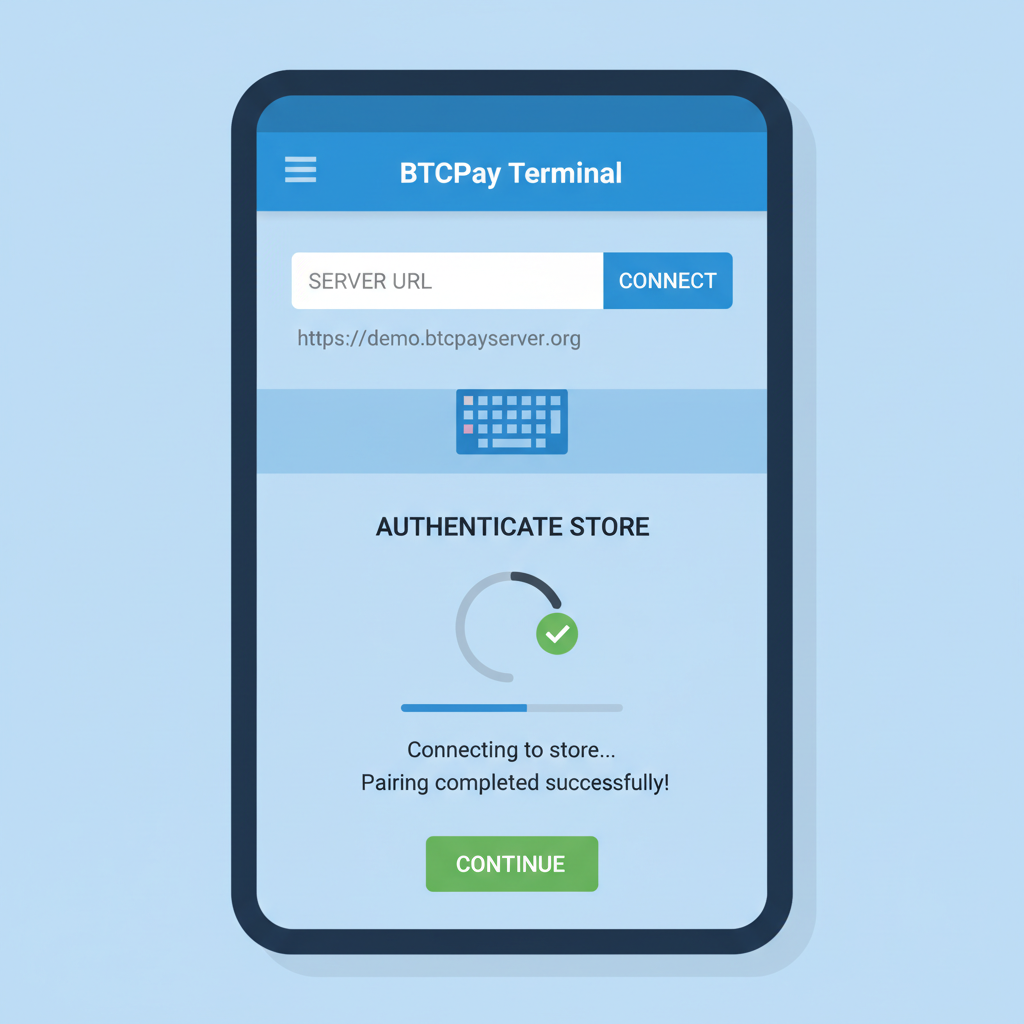
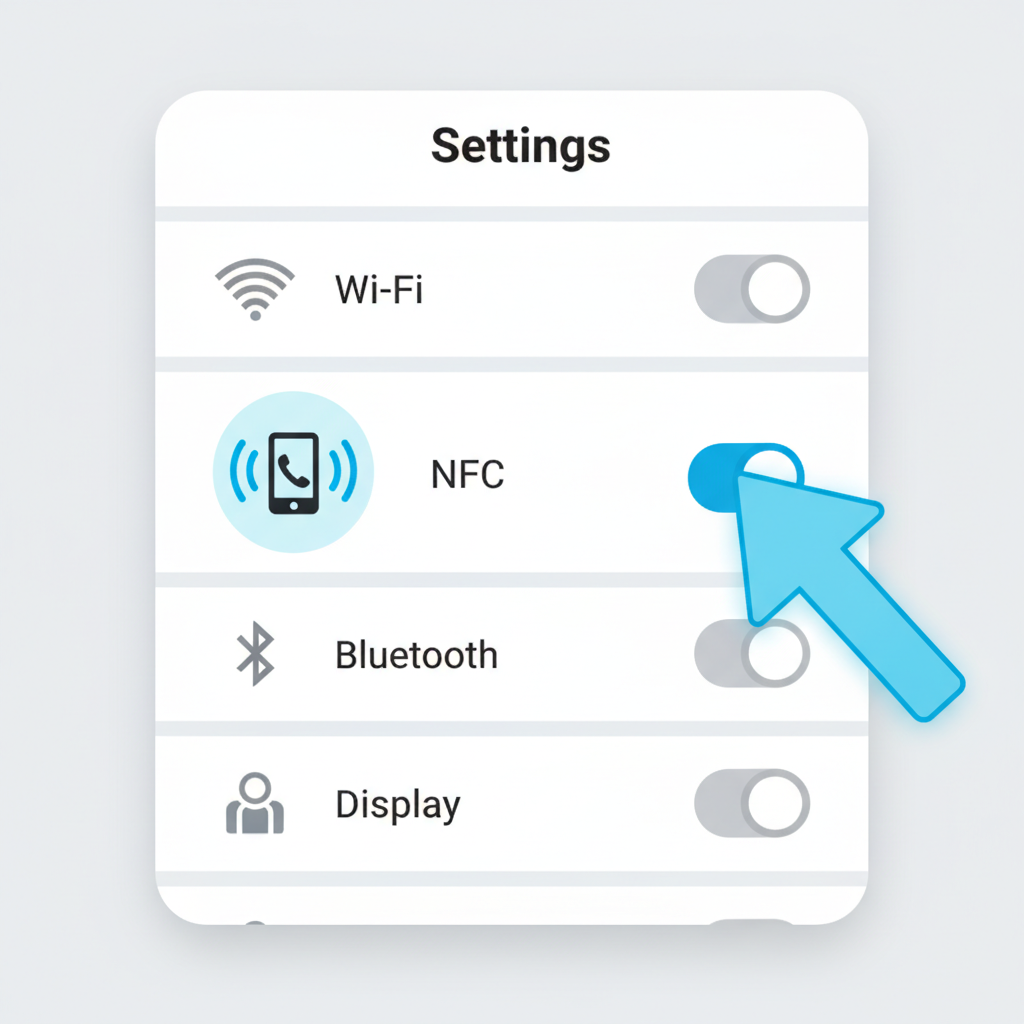
Practical deployment starts with selecting hardware that matches your throughput needs. Repurpose an NFC-enabled Android for BTCPay Terminal-zero upfront costs beyond a $50 reader if needed. Pair it with a self-hosted BTCPay Server on a Raspberry Pi, and you're live with Bitcoin Lightning POS NFC in under an hour. This stack handles 100 and taps per hour, syncing offline queues seamlessly.
Deploy BTCPay NFC POS Terminal on Android: Offline Lightning/USDC Guide
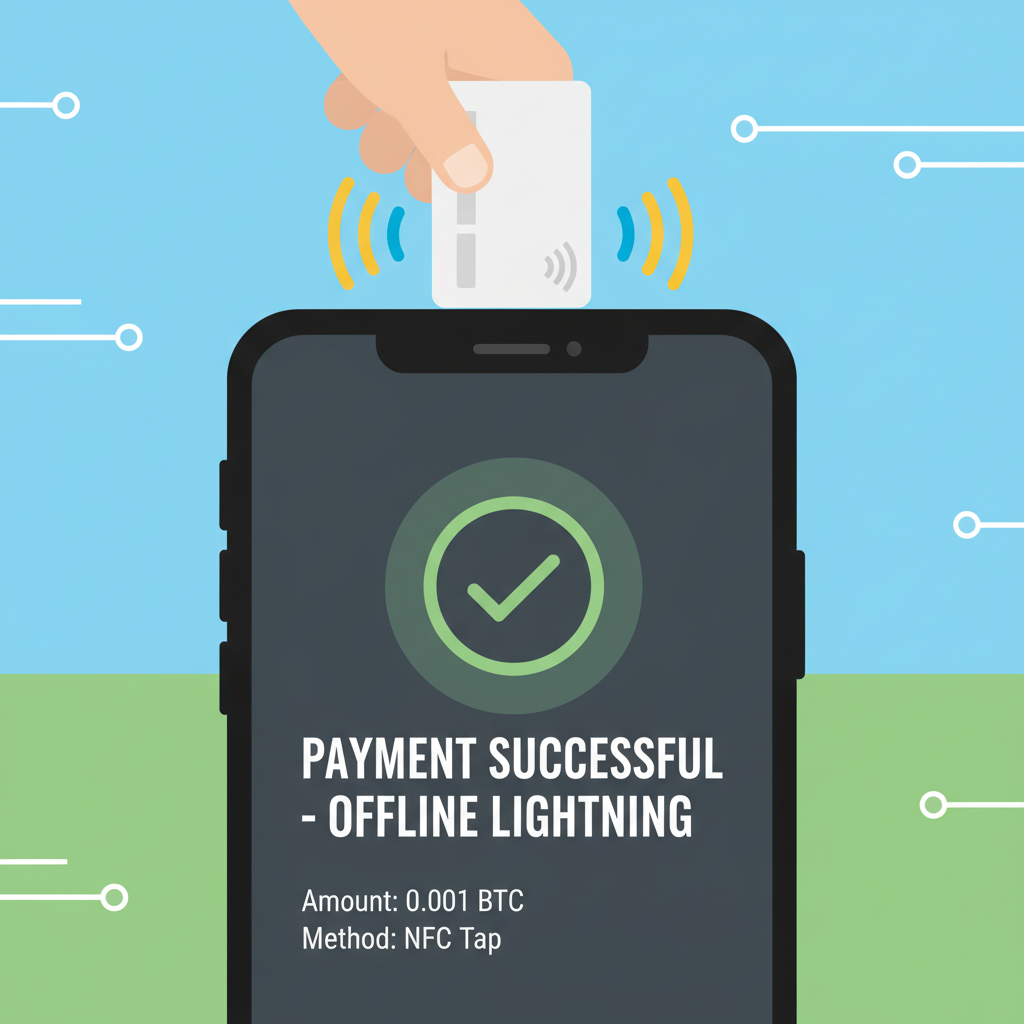
Scale to dedicated units like Flash POS for high-volume spots, but factor in the sovereignty premium. Self-hosted self-hosted POS terminal setups avoid BitPay's 1% custodian skim, routing every sat directly to your node. In El Salvador trials, Tiankii deployments cut checkout times by 40%, with NFC Bolt cards driving repeat use. Data from Galoy confirms 99.9% uptime for Lightning Cash Register in variable connectivity.
Merchant Case Studies: From Vending to Retail
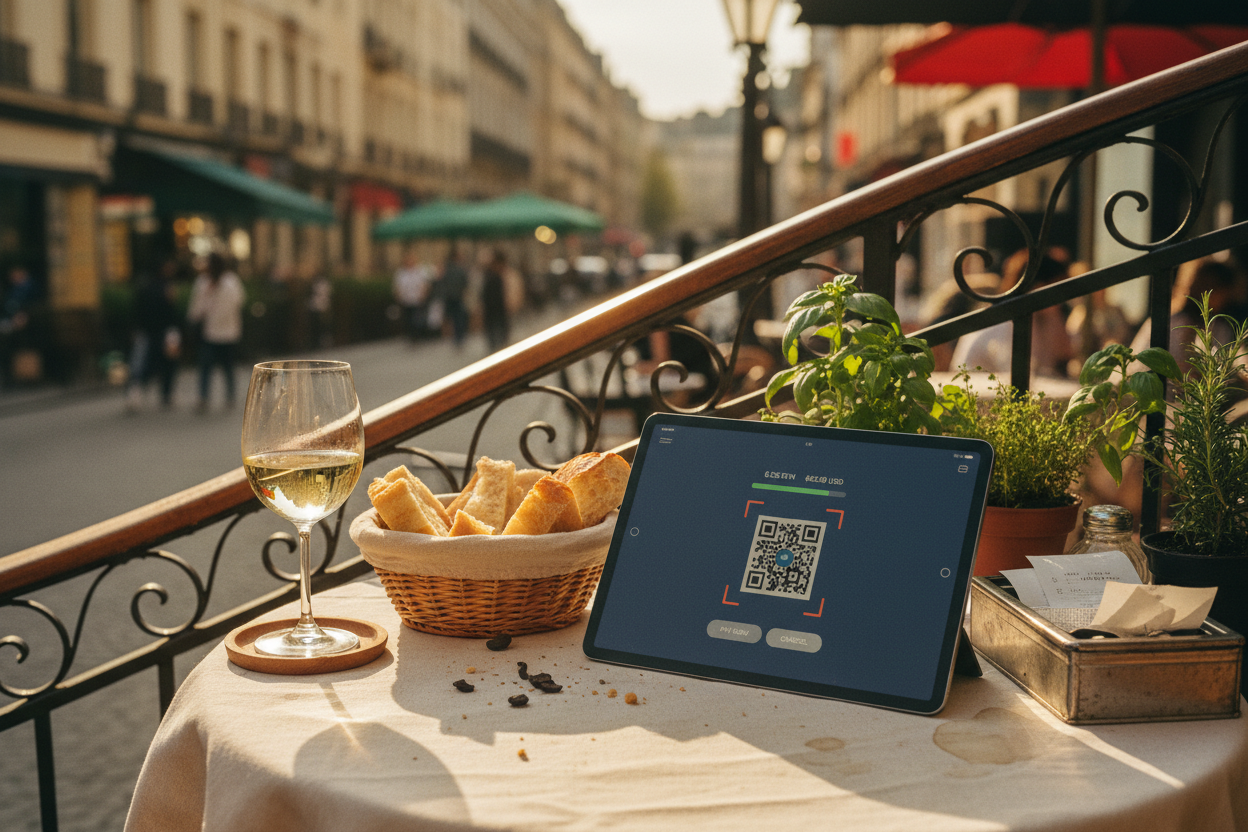
Vending machines thrive on offline USDC. LNPay's terminal batches stablecoin payments locally, settling at sub-$0.01 fees when online. A 2026 market operator using ESP32 GitHub builds processed 500 daily txs at 95% offline success, per project logs. Restaurants leverage Coinsnap's browser POS for QR fallbacks, ensuring no table waits during Lightning channel hiccups.
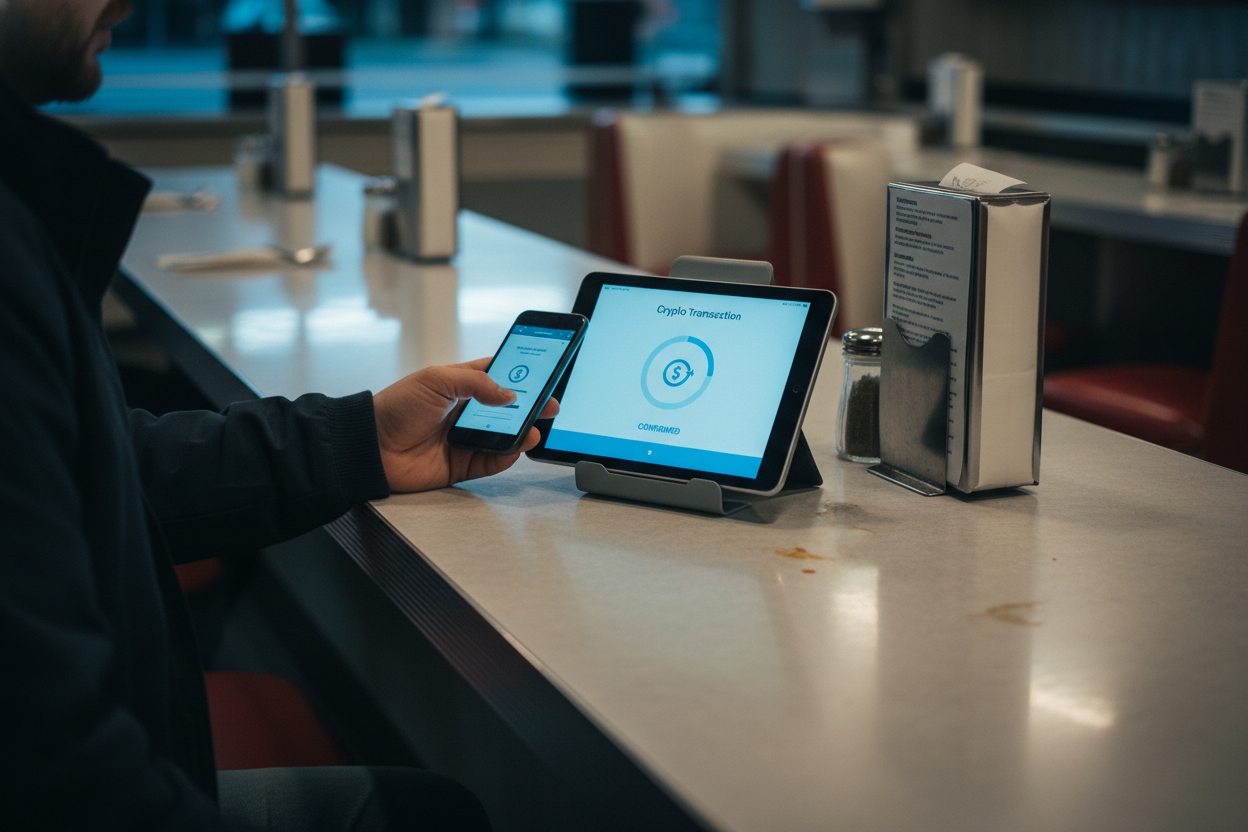
Crypto POS terminal merchants in restaurants and shops prioritize velocity. NOWPayments' offline mode integrates smoothly, but self-hosted SHKeeper edges it with CMS plugins for WooCommerce or custom carts. Opinion: Custodians like Inqud promise ease, yet expose you to their downtime risks. Self-sovereign nodes, anchored by BTC at $69,588.00, deliver verifiable finality no third party can revoke.
Hyperbitcoinization accelerates with these tools. Tiankii's contactless cards turn any NFC reader into a Lightning gateway, fueling adoption in emerging markets. PayRam's guide projects 50% fee savings for e-commerce hybrids, blending online orders with offline NFC pickups.
Risks and Mitigations for Offline Ops
Channel liquidity management tops concerns. Pre-fund channels adequately-aim for 10x daily volume in sats to buffer drains. BTCPay's autopilot rebalances automatically, minimizing force-closes. For USDC, embed oracle checks to guard against depegs, though Circle's peg holds firm amid BTC stability.
Security audits reveal ESP32's microcontroller fortifies against supply-chain attacks, unlike vendor-locked units. Merchants report zero breaches in LNPoS fleets over 12 months. Mitigate node risks with hardware wallets for hot keys, ensuring even offline hacks yield zilch.
Forward momentum shows in adoption curves. With BTC's 24-hour high of $69,752.00 underscoring network strength, Lightning capacity hit 5,000 BTC last quarter. Merchants deploying these terminals capture that liquidity, turning volatility into velocity. Self-hosted NFC setups aren't a trend; they're the infrastructure pivot as USDC offline payments normalize.
Lock in your edge now. Charts signal sustained BTC levels around $69,588.00, priming Lightning for mass merchant use. From handheld Flash to DIY ESP32, the toolkit empowers crypto POS terminal merchants to thrive offline, sovereign, and sub-second fast.


No comments yet. Be the first to share your thoughts!